February 5, 2026
Grease traps are an essential component of any commercial kitchen, helping prevent fats, oils, and grease from entering the wastewater system. Proper maintenance of these systems ensures efficiency, compliance with regulations, and prevents costly backups. Following a regular maintenance routine can save businesses time, money, and environmental issues.
Understand the Purpose of a Grease Trap
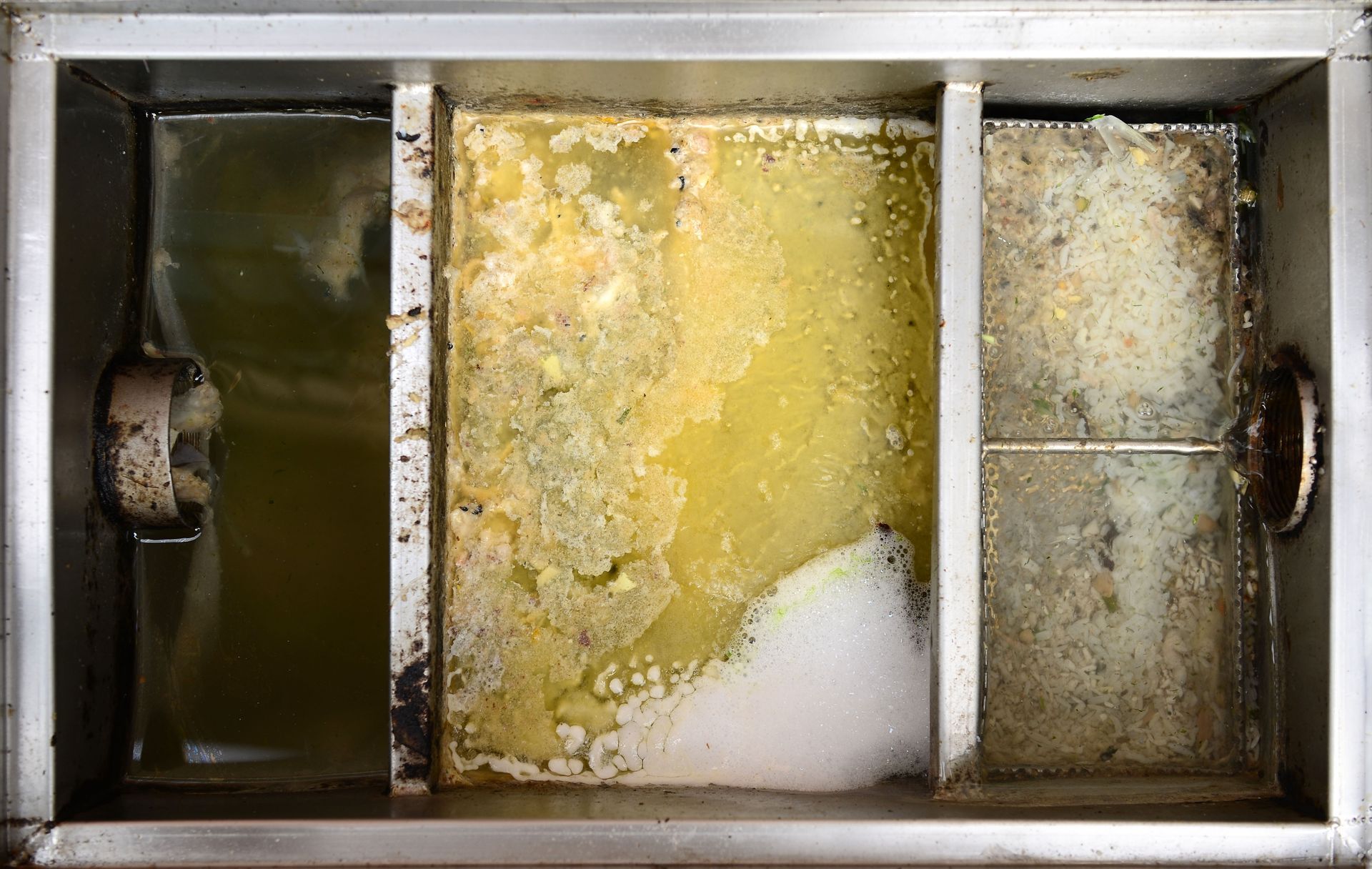
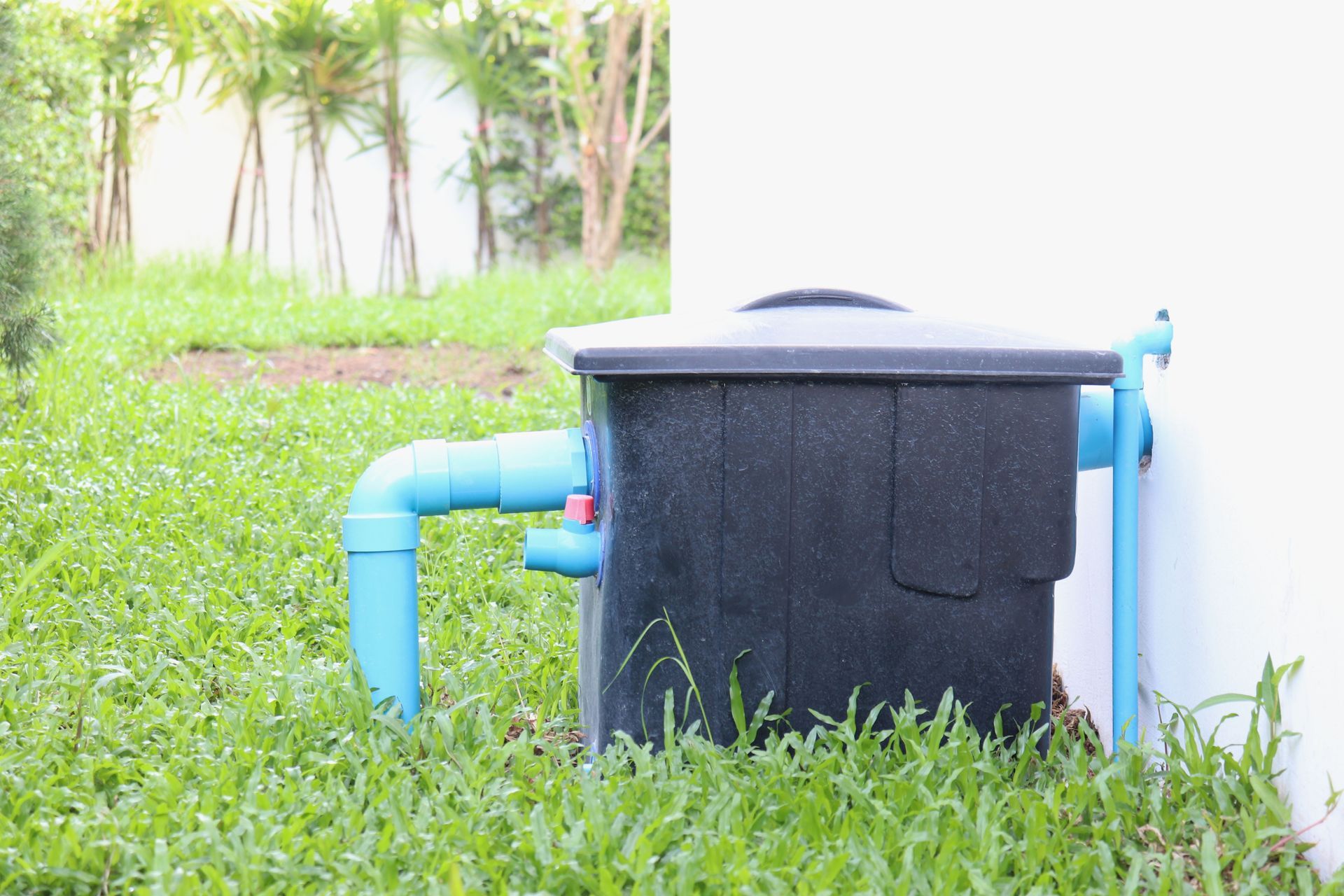
A grease trap is designed to capture fats, oils, and grease before they enter the sewer system. By doing so, they prevent clogs and reduce the risk of costly plumbing issues. Understanding their purpose is the first step toward effective maintenance, ensuring your kitchen operates efficiently and avoids regulatory fines. According to Verified Market Research, the grease trap market is expected to reach $390 million in value by 2030, highlighting their growing importance across the food service industry.
A properly functioning grease trap will protect both your facility and the environment, keeping wastewater systems clear and reducing the impact on municipal sewage systems. Businesses that neglect these units often face blockages, unpleasant odors, and potential violations of local health and safety codes. Understanding why a grease trap is installed encourages staff to take maintenance seriously.
Establish a Regular Cleaning Schedule
Regular cleaning is the cornerstone of grease trap maintenance. The frequency of cleaning depends on the size of the unit and the volume of grease your kitchen produces, but most facilities benefit from monthly or biweekly cleaning. Regularly removing accumulated grease ensures the trap continues to function efficiently and prevents unpleasant odors.
Keeping a detailed maintenance log can help staff stay on track and identify patterns of heavy use. Scheduled cleaning not only prolongs the life of your grease traps but also helps ensure compliance with local wastewater regulations. Businesses that adhere to a consistent schedule experience fewer disruptions and reduced plumbing costs over time.
Train Staff on Proper Disposal Practices
One of the most effective ways to maintain a grease trap is to ensure staff use proper disposal practices. Avoid pouring large amounts of oil, fat, or grease down sinks, as this can overload the trap and lead to blockages. Instead, use designated containers for grease collection and dispose of it according to local regulations.
Training your team on these practices reduces the frequency of required cleanings and prevents potential plumbing emergencies. Clear signage near sinks and regular staff reminders can reinforce correct behavior. When everyone follows the same guidelines, your grease traps remain effective, and your kitchen stays compliant with health and environmental standards.
Inspect Traps for Damage and Wear
Regular inspections are critical to identifying any cracks, corrosion, or worn components in your grease trap. Even small issues can reduce efficiency or cause leaks that lead to plumbing problems. By performing routine checks, you can address minor repairs before they become major issues, extending the life of your equipment.
Documenting each inspection allows you to track the condition of your traps over time, ensuring that any recurring issues are addressed promptly. Working with a professional service provider for periodic inspections can also help identify hidden problems that might be missed during daily or weekly checks.
Use Appropriate Cleaning Tools and Products
Using the correct tools and cleaning products is essential for effective grease trap maintenance. Scrapers, buckets, and approved detergents make it easier to remove accumulated grease safely. Harsh chemicals or abrasive tools can damage the trap, so it’s important to follow manufacturer recommendations or consult with a professional cleaning service.
Regular use of approved cleaning products also helps prevent odor buildup and ensures the trap continues to separate grease from wastewater effectively. A professional glass company specializing in grease trap maintenance can provide guidance on safe and efficient cleaning procedures tailored to your specific unit.
Monitor Grease Levels Frequently
Monitoring grease levels helps prevent overflows and blockages. By checking the trap daily or weekly, staff can determine when cleaning is necessary rather than waiting for visible backups. Consistent monitoring ensures the trap operates efficiently and reduces the risk of plumbing emergencies.
Automated monitoring tools are also available for high-volume kitchens, alerting staff when grease levels approach critical limits. This proactive approach reduces downtime and maintenance costs, making it easier to keep operations running smoothly while adhering to local environmental regulations.
Schedule Professional Maintenance Services
While regular staff maintenance is important, professional grease trap services provide a deeper level of cleaning and inspection. Professionals have the equipment and expertise to remove hard-to-reach grease, perform thorough sanitation, and identify potential issues before they become costly problems.
Businesses that schedule periodic professional maintenance often experience longer equipment lifespan, fewer disruptions, and better compliance with local wastewater regulations. Partnering with a trusted service provider ensures that your grease traps operate at peak efficiency year-round.
Keep Detailed Maintenance Records
Maintaining accurate records of cleaning, inspections, and repairs is essential for compliance and accountability. These records demonstrate that your facility takes grease trap maintenance seriously, which can be important during inspections or audits. Detailed logs also help identify trends, such as unusually high grease accumulation, that may require operational adjustments.
By keeping comprehensive records, businesses can make informed decisions about maintenance schedules and anticipate future service needs. This proactive approach reduces emergency costs and ensures that a grease trap will continue to function efficiently over the long term.
Educate Staff on Environmental Compliance
Proper grease trap maintenance is not just about plumbing—it’s also about environmental responsibility. Educating staff on the importance of compliance with local wastewater regulations ensures everyone understands the impact of fats, oils, and grease on municipal systems. Awareness helps prevent improper disposal and reinforces the importance of proper maintenance routines.
Regular training sessions and visual reminders encourage staff to follow best practices consistently. This education helps maintain a clean and safe kitchen while protecting the environment, reinforcing the value of investing in well-maintained grease traps.
Implement Preventive Measures to Reduce Grease Build-Up
Preventive measures can significantly reduce grease accumulation and the frequency of required maintenance. Using grease interceptors at sink drains, installing screens or filters, and scraping excess fats from cookware before washing all contribute to cleaner wastewater entering the trap. These steps extend the life of your grease trap and reduce operational disruptions.
Businesses that combine preventive practices with regular professional cleaning maximize efficiency and cost-effectiveness. This holistic approach ensures that your grease traps continue to protect plumbing systems, support environmental compliance, and maintain smooth kitchen operations.
Plan for Seasonal and High-Volume Adjustments
High-volume periods, such as holidays or seasonal events, can strain your grease trap and increase the need for cleaning. Planning ahead by increasing cleaning frequency and monitoring grease levels more closely ensures traps do not overflow during peak activity. Businesses that anticipate these periods can maintain uninterrupted operations and avoid costly emergencies.
Coordinating with a professional service provider during these high-volume periods ensures that grease traps are prepared to handle increased loads. This proactive strategy preserves plumbing integrity, enhances safety, and keeps your kitchen running efficiently throughout the year.
A grease trap is a critical part of any commercial kitchen, and proper maintenance ensures it operates efficiently and protects both plumbing systems and the environment. By following these essential tips—including regular cleaning, staff training, inspections, and professional services—businesses can extend the life of their equipment and avoid costly problems. If you are looking for a reliable grease trap service, contact Brooks Grease Service today to learn more!