February 3, 2026
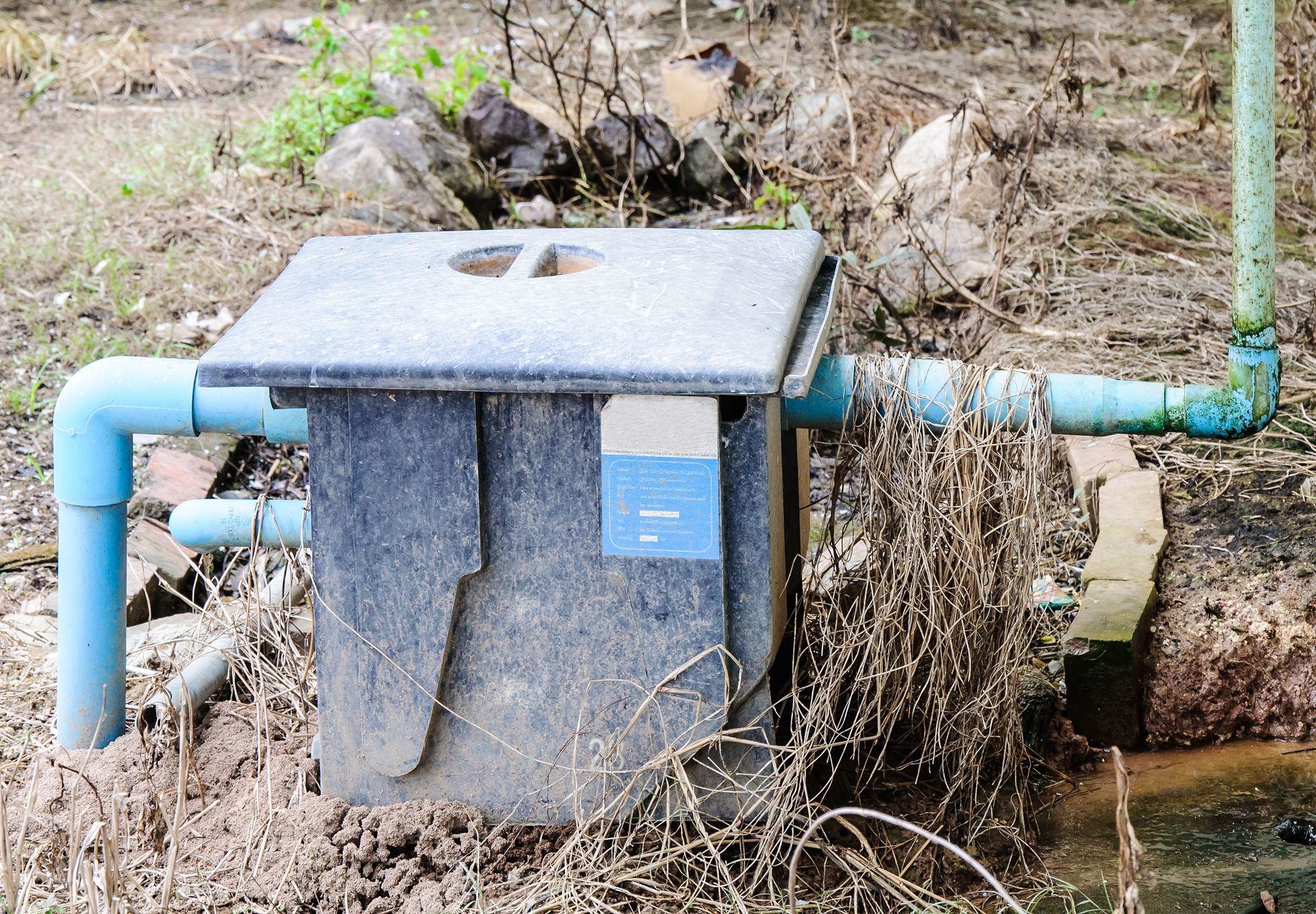
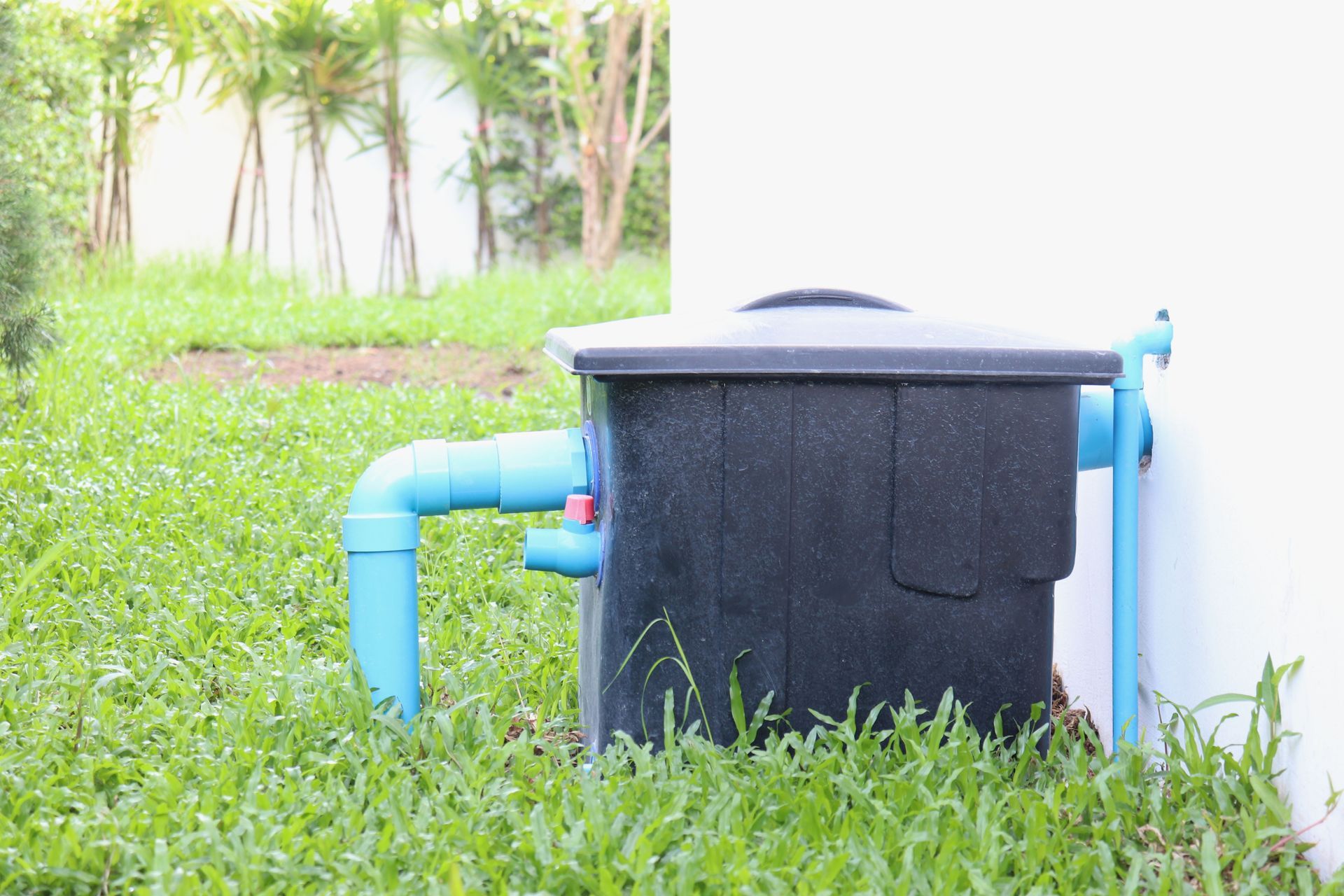
In the bustling environments of commercial kitchens, grease traps play an essential role in maintaining the functionality of the plumbing system. These devices are designed to intercept fats, oils, and greases (FOG) before they enter the wastewater system. Regular commercial grease trap cleaning ensures that commercial establishments avoid costly plumbing issues and adhere to health regulations. Neglecting this critical maintenance task can result in severe financial and operational repercussions.
The importance of consistent cleaning cannot be overstated; it not only prolongs the life of the commercial grease trap but also supports environmental conservation. Accumulated grease and food particles within the trap can lead to overflows and backups, posing health hazards. According to the South Tahoe Public Utility District, grease traps have a capacity between 40 and 100 pounds. Moreover, efficient commercial grease trap maintenance is integral to the operation of any establishment dealing with food on a commercial scale. Understanding the full spectrum of its significance aids in mitigating risks associated with neglect.
This article explores the multifaceted aspects of grease traps, delineating the reasons behind regular cleaning. From potential health implications to legal compliance, each factor underscores the necessity of timely maintenance. Additionally, this article will offer guidance on establishing an effective cleaning schedule and highlight best practices for maintenance. The goal is to equip business owners with the knowledge necessary to prioritize commercial grease trap cleaning and avert avoidable issues.
Why is Regular Cleaning of Commercial Grease Traps Important?
Impact on Plumbing Systems
Neglecting grease trap maintenance can exert significant pressure on plumbing systems, leading to blockages and eventual failures. When FOG accumulates beyond the capacity of the trap, it flows into the larger sewage system or plumbing network. This not only disrupts the system's functionality but can often result in emergency plumbing scenarios. Therefore, maintaining grease traps helps preserve plumbing health and efficiency.
Integrating regular cleaning schedules reduces the risk of forced business shutdowns due to plumbing malfunctions. Such interruptions can severely impact an establishment's reputation and income. In extreme cases, establishments may be required to undergo costly overhauls of their plumbing systems. By investing in scheduled maintenance, businesses can evade these detrimental impacts and ensure long-term operational success.
Health and Safety Concerns
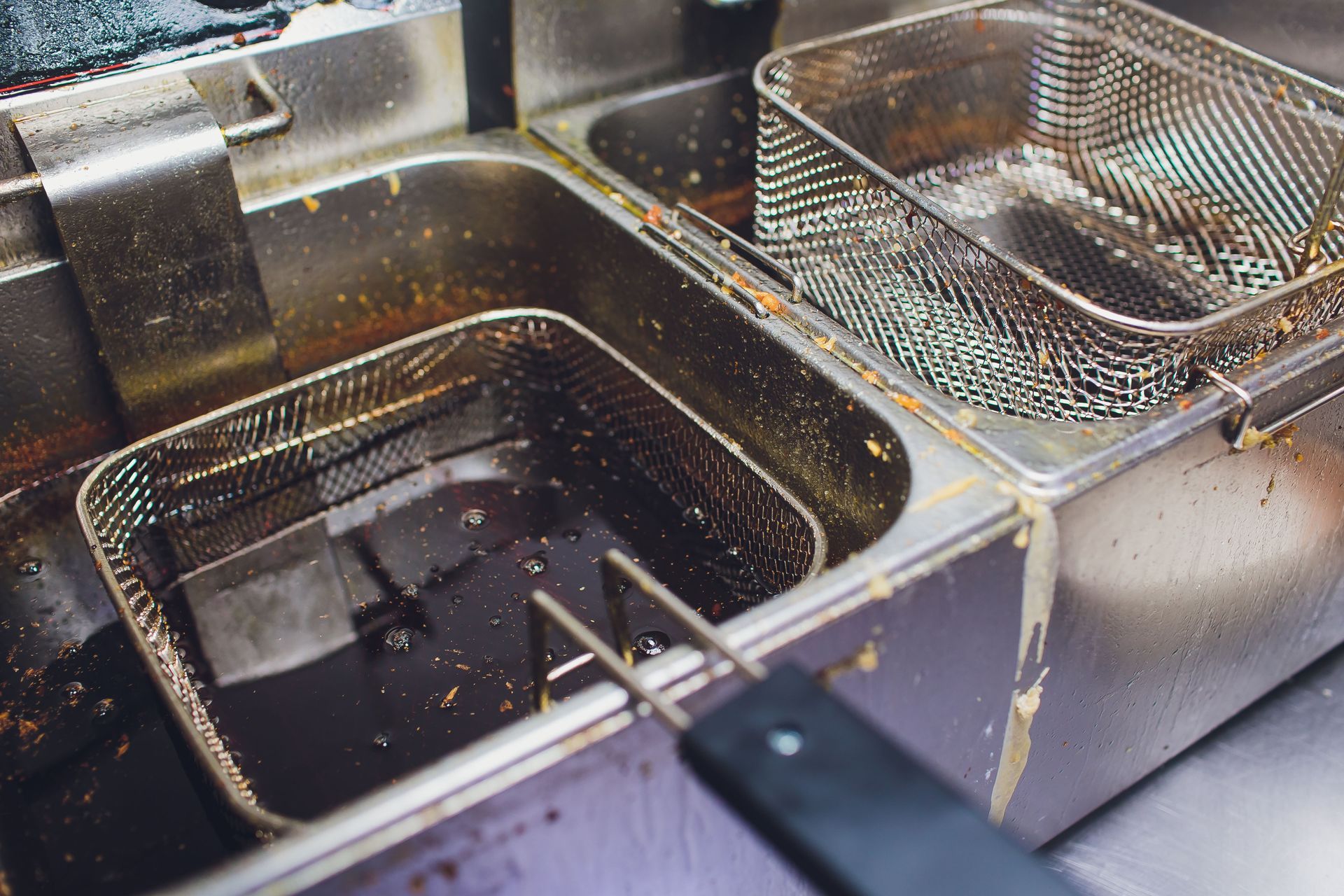
Regular cleaning of grease traps is essential for maintaining hygiene within a commercial kitchen environment. Accumulated grease and food waste become breeding grounds for bacteria, attracting pests such as rodents and insects. These conditions pose substantial health risks to both employees and customers, necessitating strict adherence to sanitation protocols. Maintaining grease traps aids in the elimination of such hazards, safeguarding public health.
In addition to fostering an unsanitary environment, poorly maintained grease traps can lead to slip hazards. Overflow incidents caused by grease buildup can result in greasy floors, which are a common cause of workplace injuries. By preventing these scenarios through regular maintenance, businesses can ensure a safe working environment and reduce liability concerns. This proactive approach directly affects the safety and welfare of workers in the hospitality industry.
For establishments to be compliant with health codes and safety standards, regular commercial grease trap maintenance is non-negotiable. Health inspections that uncover issues related to grease traps can result in heavy fines and operational shutdowns. By maintaining clean grease traps, businesses prove their commitment to adhering to regulations and provide assurance to their clientele about their commitment to excellence. Overall, robust maintenance practices underpin a reputation for quality and compliance.
How Often Should Commercial Grease Traps Be Cleaned?
Signs Your Grease Trap Needs Immediate Cleaning
Recognizing the signs that a commercial grease trap requires immediate cleaning can prevent emergencies and costly repairs. Foul odors emanating from plumbing fixtures or drains often indicate that the trap is full or not functioning correctly. These smells occur when decomposing grease breaches the confines of the trap, warranting prompt attention. Regular monitoring can help catch these indicators early, averting potential disruptions.
Slow drainage is another clear sign that a grease trap may need urgent cleaning. When grease accumulates in excess, it clogs the trap and causes wastewater to back up, slowing down the drainage process. Left unaddressed, slow drainage can lead to overflows that present significant hygiene concerns. Therefore, a swift response to such warning signs is integral to maintaining efficient kitchen operations.
Setting Up a Maintenance Schedule
Establishing a structured maintenance schedule for grease trap cleaning incorporates it into routine business operations, ensuring consistent wastewater management. This involves setting regular inspection dates to review FOG levels and operational efficiency, preventing last-minute scrambles due to emergency situations. Planning such a schedule requires balancing the trap's capacity and usage patterns to optimize performance. Consistent execution reduces unexpected business disruptions and enhances operational certainty.
Collaborative efforts between business owners and professional cleaning services add value to maintenance strategies. Expertise from cleaning professionals can help adjust and refine maintenance schedules according to seasonal operational variations. Whether through ongoing consultation or contracted routine cleaning, these partnerships provide business owners with peace of mind and support compliance with local regulations. This teamwork enhances overall business sustainability by streamlining essential maintenance practices.
Documenting maintenance activities is another key aspect of scheduling grease trap cleaning. Keeping written records of services, observations, and scheduled cleanings aids compliance with regulatory standards and limits liability risks. This documentation also helps businesses evaluate operational processes by identifying trends or adjustments needed in grease management. Ultimately, a comprehensive and systematic approach to scheduling grease trap maintenance ensures long-term success and compliance.
What are Effective Strategies for Maintaining Your Grease Trap?
Routine Inspections
Conducting routine inspections of grease traps is fundamental to understanding current conditions and anticipating necessary maintenance. These inspections include assessing the trap’s fill levels, checking for any physical damage, and ensuring that the installation remains aligned with operational standards. Regular inspections prevent unexpected disruptions by identifying issues before they escalate into emergencies. Establishing such a routine enhances operational reliability and efficiency.
Scheduled inspections provide an opportunity to verify that the grease trap's performance meets or exceeds regulatory expectations. By continuously evaluating the trap's functionality, businesses can remain compliant and avoid potential fines or legal ramifications. Moreover, consistent inspections can yield insight into how well a grease trap is coping with operational demands, guiding necessary modifications. Ultimately, thorough and routine inspections are indispensable to effective grease trap management.
Professional Cleaning Services
Engaging professional cleaning services is a cornerstone of effective grease trap maintenance. Experts are equipped with the requisite knowledge and tools to perform cleaning to industry standards, ensuring thorough removal of FOG and debris. Their specialized skills allow them to address complex issues, safeguarding the integrity of the grease trap and preventing damage. Routine professional cleanings promote operational efficiency and maintain compliance with health and safety regulations.
The cost of professional cleaning services is a wise investment, reducing the likelihood of future plumbing emergencies or retrofitting costs. Consistent professional intervention identifies potential issues early, keeping maintenance costs predictable and under control. Establishing a relationship with reliable service providers builds trust, allowing businesses to focus on other operational areas. As a result, leveraging professional cleaning services significantly contributes to ongoing workplace efficiency.
In conclusion, the regular cleaning of commercial grease traps is vital for maintaining the operational efficiency and legal compliance of food service establishments. Proactive grease management not only safeguards against plumbing disasters and health violations but also highlights the business's commitment to sustainability. By recognizing the significance of routine maintenance and adhering to best practices, businesses ensure their longevity and uphold their reputation.
Establishing a maintenance regime with appropriate cleaning intervals, monitoring strategies, and staff training enhances overall operational outcomes. Grease trap maintenance requires a collaborative effort that encompasses employees, service providers, and managers to succeed. Addressing these responsibilities with due diligence mitigates risks associated with neglected traps and avoids potential fines or closures. Timely maintenance is a proactive approach that ensures continued business readiness and compliance.
Ultimately, understanding the hazards associated with ignoring grease trap maintenance empowers businesses to act efficiently in preserving their infrastructure. Aligning daily operational practices with environmental and regulatory standards ensures a positive impact internally and externally. The commitment to maintaining grease traps reflects a broader and necessary commitment to quality, safety, and sustainability. Fostering such a culture guarantees lasting success and adaptability in the ever-evolving hospitality landscape. Reach out to Brooks Grease Service today to see how we can help you!