November 5, 2026
Running a high-volume kitchen requires incredible coordination, skill, and precision. Beyond culinary talent and cooking equipment, there lies a foundational element dictating whether an establishment thrives or faces constant operational nightmares. That foundational element is proper sanitation infrastructure. Without it, restaurants and cafeterias risk overwhelming plumbing systems, creating hazardous environments, and facing hefty fines from health departments. A busy kitchen produces an immense amount of wastewater and food particles. Handling this waste seamlessly behind the scenes is what truly separates the best operations from the rest. Managers know proactive waste management measures are not optional; they are absolute necessities for survival. According to industry data from Dataintelo, restaurants alongside commercial kitchens account for the bulk of grease trap demand, holding a combined market share of 48.6 percent. This highlights just how critical these systems are for daily foodservice operations. To keep everything flowing smoothly, prioritizing the right tools and professional support is paramount for long-term viability.
Understanding High-Volume Kitchen Demands
When dealing with a high-volume culinary environment, the sheer output of food preparation waste can quickly overwhelm standard drainage systems. Every plate scraped and every fryer emptied contributes to a massive accumulation of organic matter. High-capacity kitchens simply cannot operate using the plumbing standards of smaller residential homes. They require heavy-duty sanitation infrastructure that handles rapid, continuous usage during peak hours without backing up or failing. One of the most important components involves the proper management of fats, oils, and grease. If these substances enter the municipal sewer system, they cool, solidify, and create massive blockages that can shut down entire city blocks. Consequently, installing and maintaining robust commercial grease traps is non-negotiable for large operations. Kitchen efficiency directly correlates with how well it handles waste streams. When sinks drain slowly, or bad odors permeate the dining room, it is a clear sign that sanitation capacity has been exceeded. Managers must constantly evaluate volume to ensure infrastructure keeps pace.
Implementing Essential Sanitation Infrastructure
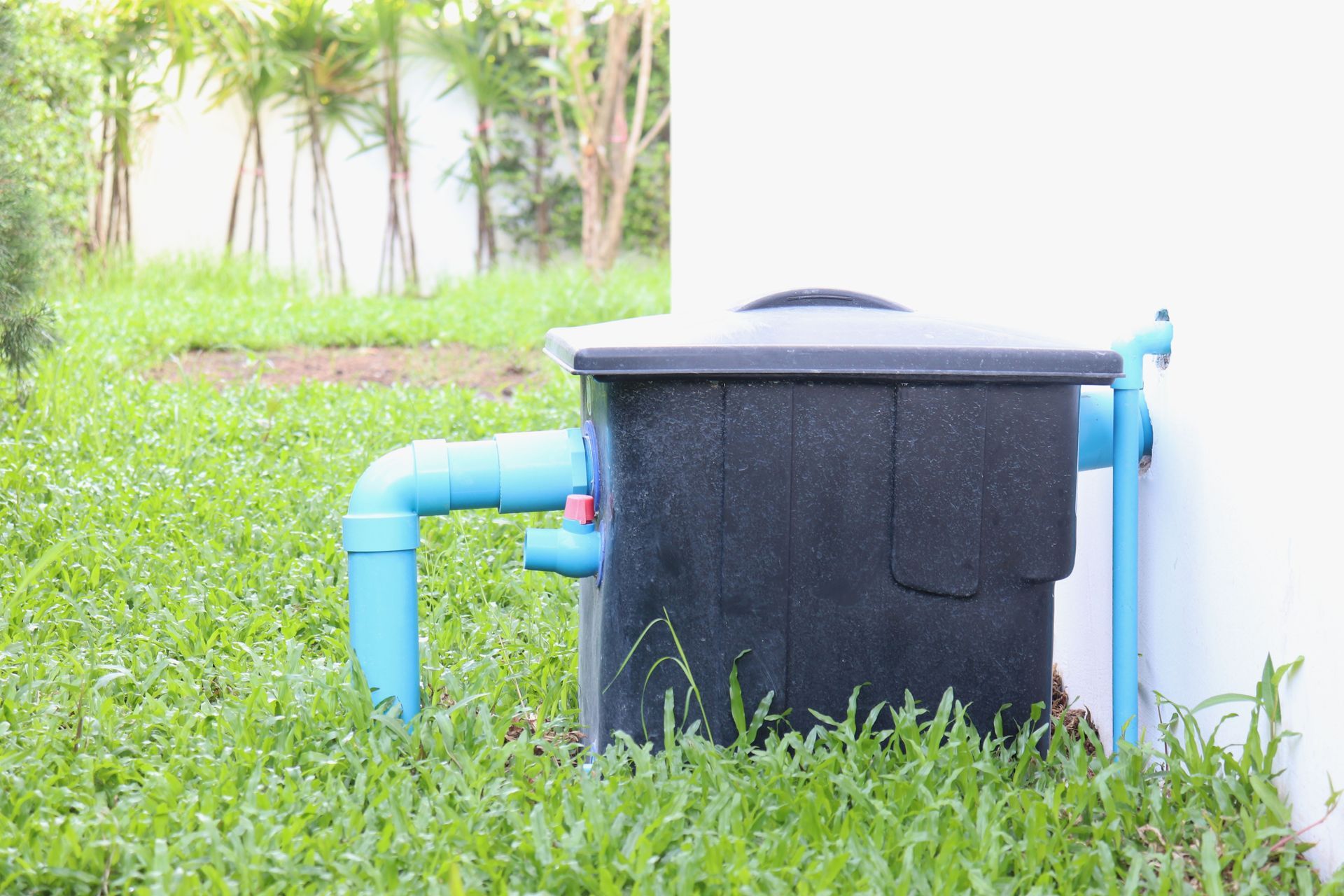
To prevent disastrous plumbing emergencies, large-scale culinary facilities must invest heavily in appropriate waste interception technology. Upgrading a kitchen's plumbing defense involves integrating systems specifically designed for heavy usage. Among the most vital upgrades an establishment can make is the installation of appropriately sized commercial grease traps. These devices act as the primary defense mechanism, catching harmful substances before they travel down the pipes. For exceptionally busy venues, traditional interceptors might not be enough. In these cases, installing automated grease traps can drastically improve efficiency by continuously removing waste without requiring manual intervention. A comprehensive sanitation setup also requires adequate floor drains, advanced ventilation hoods, and designated areas for waste sorting. When all components work together seamlessly, kitchen staff can focus entirely on food preparation instead of worrying about looming plumbing disasters. Establishing a solid physical foundation for waste management reduces downtime, prevents foul odors from ruining guest experiences, and ensures the facility can operate at maximum capacity uninterrupted.
Managing Excessive Fats, Oils, and Grease
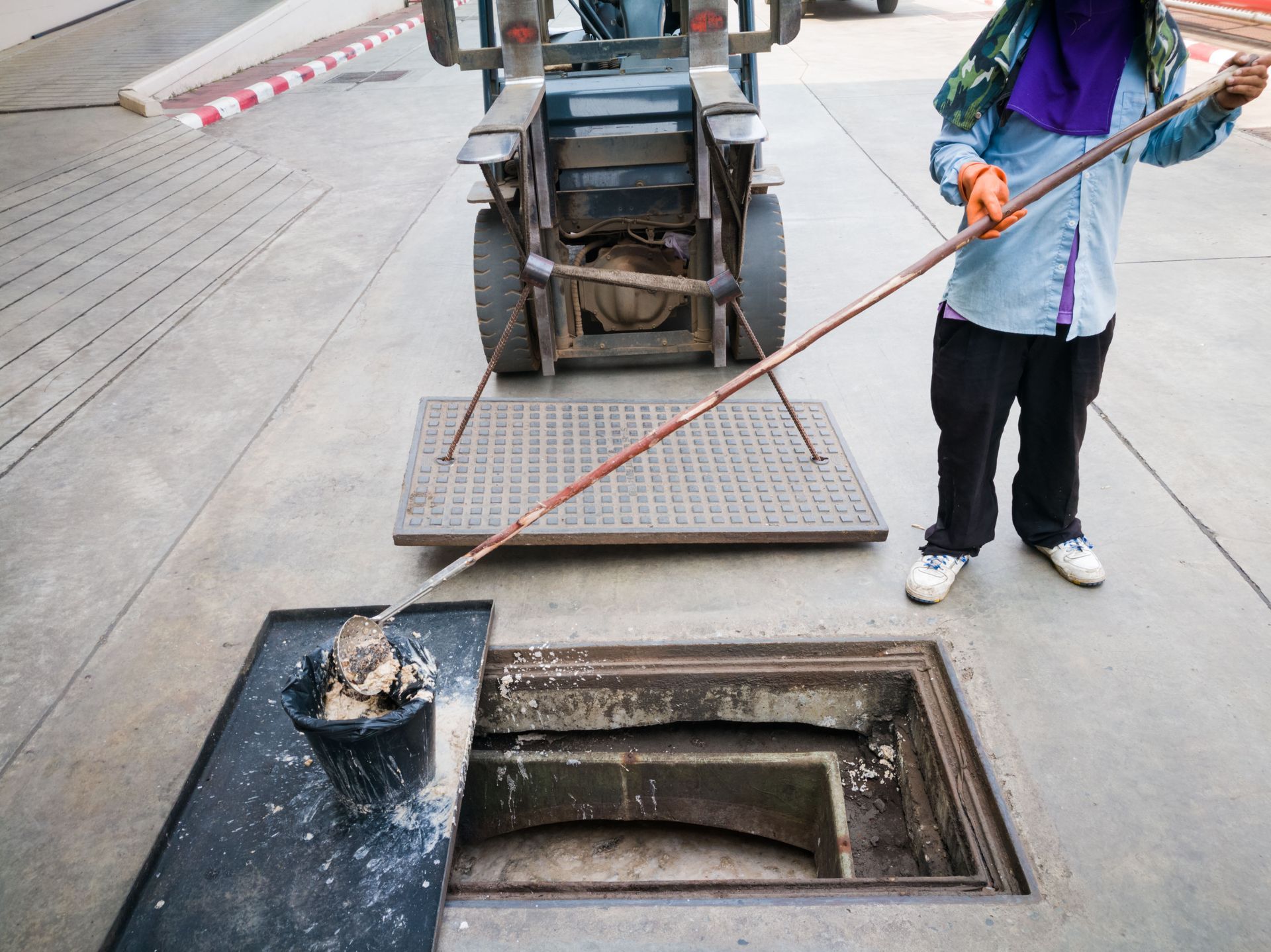
The most significant sanitation challenge any busy restaurant faces is the ongoing battle against fats, oils, and grease. When a kitchen serves thousands of meals daily, the byproduct of fried dishes accumulates at an astonishing rate. If left unchecked, this debris coats the interior of pipes, gradually reducing water flow until a complete blockage occurs. Relying on properly functioning commercial grease traps is the only reliable way to capture this material effectively. However, simply having the equipment is not enough; the establishment must also have a clear protocol for restaurant grease removal. Professional extraction ensures interceptors do not become overwhelmed and bypass waste into the city sewer lines. Kitchen staff should also be trained to scrape dishes thoroughly into solid waste bins before washing them, minimizing organic material entering drains. By combining diligent staff habits with heavy-duty commercial grease traps, managers protect their plumbing infrastructure from the devastating consequences of grease buildup and maintain a hygienic environment.
Maintaining Strict Regulatory Compliance
Municipalities take wastewater management extremely seriously, and local health departments strictly enforce rules regarding what can be sent down the drain. High-volume kitchens are under constant scrutiny to ensure they do not contribute to citywide plumbing issues. Failing to adhere to these regulations can result in severe financial penalties, temporary closures, or the permanent revocation of operating licenses. To remain compliant, food service establishments must maintain accurate records of waste management activities, including the regular servicing of their commercial grease traps. Health inspectors routinely check these logs to verify that the kitchen partners with licensed professionals for routine maintenance. Furthermore, the infrastructure itself must meet specific local codes regarding size and flow rate. Utilizing professional grease trap services ensures the equipment is thoroughly cleaned and inspected for any signs of structural wear. Staying ahead of municipal regulations is a fundamental responsibility for any kitchen manager, as it protects the business from legal liabilities and guarantees operations continue without governmental interference.
Incorporating Sustainable Waste Practices
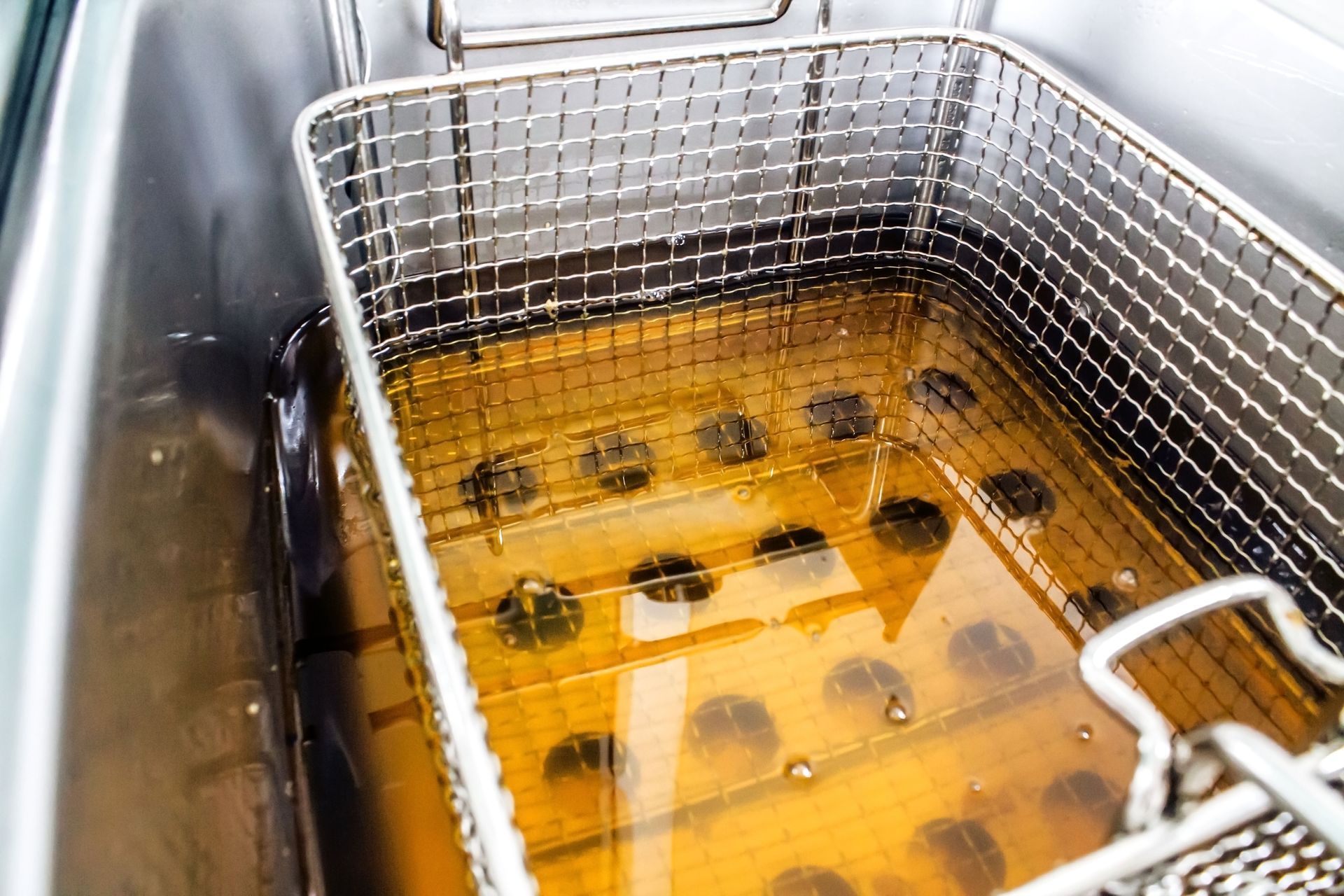
Modern food service is not just about efficiency and compliance; it is also increasingly focused on environmental responsibility. High-volume kitchens generate tremendous amounts of waste, but much of this material can be repurposed rather than sent to a landfill. One of the best ways to enhance a facility's sustainability profile is through a dedicated cooking oil recycling program. Instead of throwing away old fryer oil, kitchens collect it in secure bins so it can be transformed into eco-friendly biodiesel fuels and other useful products. This practice helps the environment and provides a safer way to dispose of hazardous hot liquids. Additionally, keeping fryer oil out of the drainage system significantly reduces the strain placed on commercial grease traps, allowing them to function more efficiently and require fewer emergency cleanouts. By embracing sustainable practices like recycling, restaurants reduce their overall carbon footprint, appeal to environmentally conscious consumers, and streamline internal waste management protocols for better overall sanitation.
Partnering With Reliable Industry Experts
Even the most well-equipped kitchen cannot manage its sanitation infrastructure entirely on its own. Heavy-duty interceptors and automated systems require specialized equipment and extensive knowledge to maintain correctly. Attempting to handle these tasks in-house often leads to incomplete cleaning, damaged equipment, and severe code violations. To guarantee optimal performance, establishments must align themselves with experienced professionals specializing in restaurant grease removal. A dedicated provider ensures all commercial grease traps are thoroughly evacuated, power-washed, and inspected for structural integrity during every single visit. They provide necessary documentation for health inspectors and offer peace of mind to kitchen managers who already have enough responsibilities. By utilizing comprehensive grease trap services, high-volume operations can create a customized maintenance schedule perfectly matching their specific output levels. Relying on experts prevents disastrous backups and ensures the facility's sanitation infrastructure remains in peak condition year after year, allowing the culinary team to thrive.
In the demanding world of high-volume food service, culinary success relies heavily on what happens behind the scenes. Robust sanitation infrastructure is the silent engine that keeps busy restaurants and production facilities moving forward. By understanding the unique challenges of excessive waste, implementing the correct interceptors, and prioritizing sustainable recycling methods, managers avoid catastrophic plumbing failures. Regular maintenance of commercial grease traps is the ultimate safeguard against costly downtime and regulatory penalties. When you prioritize plumbing defenses and align with seasoned experts, your establishment handles any dinner rush with ease. For dependable maintenance and professional waste management, reach out to Brooks Grease Service.