October 6, 2026
Restaurant kitchens generate grease, oils, and food particles during service. When these materials enter plumbing lines, they can accumulate along pipe walls and gradually restrict the passage available for wastewater. Regular attention to restaurant grease traps helps capture these substances before they move farther into the drainage system. Keeping this equipment maintained can therefore play an important role in reducing conditions that contribute to slow drains, backups, and other plumbing disruptions.
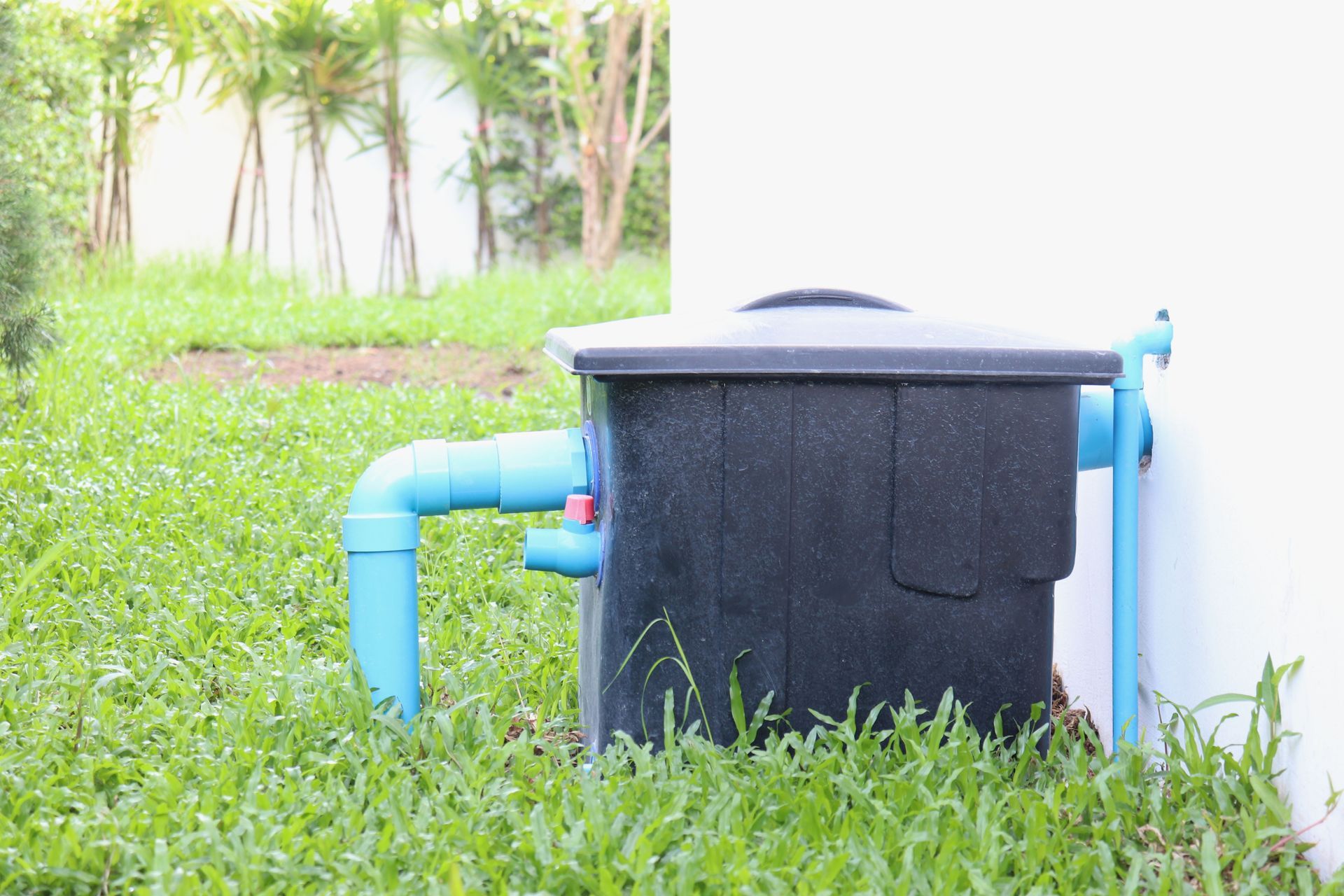
A grease trap is designed to separate fats, oils, and grease from wastewater before that material reaches downstream plumbing. As the collected material builds up, the trap has less capacity to contain additional grease and solids. If accumulated waste is allowed to remain for too long, the equipment may become less effective at separating incoming material. Consistent cleaning helps maintain the trap's working capacity and supports more reliable drainage throughout the kitchen.
Reducing Overflow Risks
A backed-up kitchen drain can interfere with food preparation, dishwashing, sanitation routines, and other daily operations. Overflow may also spread wastewater into employee work areas, creating an additional cleanup concern. Properly maintained restaurant grease traps can reduce buildup by removing accumulated grease and solids at appropriate intervals. This proactive approach can help address developing problems before they become larger operational interruptions.
According to North Bay Restaurant Services, restaurant grease traps ranging from 10 to 100 gallons can fill quickly and commonly need cleaning weekly or every two weeks based on how heavily they are used. That guidance illustrates why maintenance frequency should reflect the amount of wastewater and grease a kitchen produces rather than relying on an arbitrary schedule. High-volume kitchens may accumulate waste faster than facilities with lighter usage. Monitoring service needs and maintaining a consistent cleaning routine can help keep capacity available between service visits.
Protecting Plumbing Performance
Grease accumulation can affect more than the trap itself. When grease escapes an overloaded or poorly maintained trap, it can enter connected plumbing and begin collecting inside drainage lines. Over time, this buildup may contribute to restricted flow, unpleasant odors, slow drainage, or recurring backups. Maintaining restaurant grease traps helps reduce the amount of grease reaching pipes and supports the overall performance of a commercial kitchen's drainage system.
Plumbing problems can become more complicated when food debris, grease, and wastewater solids combine within drainage systems. Regular grease trap service helps control one significant source of this material before it travels farther through the plumbing. This can make drainage management more predictable.
Supporting Kitchen Sanitation
Cleanliness is a central part of restaurant operations, and grease management contributes to a cleaner working environment. Accumulated grease and organic material can produce strong odors as they remain in a trap and break down. Overflow from an overloaded trap can create additional sanitation concerns around floors, drains, and nearby equipment. Scheduled maintenance can help reduce these conditions and support a more orderly kitchen environment.
Restaurants also depend on dependable wastewater removal throughout the day. Dishwashing stations, sinks, prep areas, and other fixtures can generate substantial amounts of wastewater during busy periods. If drainage becomes restricted, employees may have difficulty completing routine tasks efficiently. Maintaining this equipment provides an important layer of protection for the drainage infrastructure that these areas depend on.
Extending Drainage Reliability
Commercial plumbing systems experience frequent use, especially in kitchens that serve customers throughout the day. Repeated exposure to fats, oils, and grease can place ongoing demands on drainage components. Preventive maintenance addresses accumulated material before it has more opportunity to move into connected lines and create restrictions. This can contribute to more consistent drainage performance over the course of a restaurant's operations.
Managing High-Volume Kitchen Demands
The amount of grease entering a trap can vary considerably between restaurants. A busy establishment serving fried foods or preparing large quantities of meals may generate significantly more grease than a smaller kitchen with a different menu. Changes in operating hours, customer volume, menu offerings, or food preparation practices can also affect how quickly a trap accumulates material. For this reason, maintenance planning should account for actual kitchen activity.
High-volume operations have more reason to monitor grease accumulation because available capacity can be consumed quickly. Waiting until drainage problems become obvious may allow grease and solids to move beyond the trap. Regular professional service provides a structured way to remove accumulated material and maintain usable capacity.
Avoiding Disruptive Plumbing Interruptions
Drainage failures can affect far more than a single sink or fixture. A significant backup may interrupt food preparation, dishwashing, cleaning, and other activities that keep a restaurant operating. In some cases, employees may need to stop using affected fixtures until the obstruction is addressed. Preventive service for restaurant grease traps can help reduce the likelihood that accumulated grease will contribute to these unexpected interruptions.
A consistent maintenance approach also makes grease management easier to incorporate into operational planning. Rather than responding only after drains slow or backups occur, restaurant operators can schedule service around the needs of the facility. This creates a more organized maintenance routine and provides an opportunity to address accumulated material before it creates more noticeable drainage symptoms. Regular attention can be particularly important for kitchens that operate continuously or handle substantial food preparation.
Maintaining Consistent Grease Management
Effective grease management depends on consistency. Sporadic service can allow accumulated material to reach levels that reduce available trap capacity and increase the potential for grease to move into downstream plumbing. A recurring maintenance schedule helps keep accumulation under control and makes service needs easier to anticipate. Professional cleaning can also remove collected waste that ordinary kitchen operations cannot eliminate from the trap.
Restaurants may have different service intervals based on their size, menu, wastewater volume, and usage patterns. The appropriate schedule should reflect how quickly the equipment accumulates grease and solids. Restaurant grease traps that receive regular professional cleaning can remain better prepared to handle incoming wastewater between service appointments. A maintenance plan tailored to actual conditions can therefore provide a more practical approach than using the same schedule for every facility.
Preserving Operational Continuity
Restaurant operations depend on numerous systems working together without unnecessary interruptions. Drainage is one of those systems, and problems involving grease can affect several kitchen functions at once. Maintaining grease traps helps reduce one common source of drainage-related complications and supports the continued use of sinks, dishwashing areas, and other fixtures. This maintenance is especially relevant when a restaurant needs dependable wastewater flow throughout busy service periods.
Preventive maintenance also gives restaurant operators a way to address grease accumulation before it becomes an urgent concern. Professional service removes collected material and restores usable capacity within the trap. Over time, consistent maintenance can support a more predictable approach to commercial kitchen upkeep. Keeping restaurant grease traps serviced at appropriate intervals can therefore contribute to smoother daily operations and fewer avoidable drainage disruptions.
Brooks Grease Service provides professional grease trap service for restaurants that need consistent management of accumulated fats, oils, grease, and solids. Our team can help establish a service routine for
restaurant grease traps based on the demands of the kitchen and the condition of its equipment. We focus on practical maintenance that helps restaurants keep their wastewater systems functioning as intended. Contact Brooks Grease Service to discuss a professional grease trap cleaning schedule for your restaurant and help keep routine operations moving smoothly.