September 3, 2026
The world today faces a multitude of environmental challenges, with each piece of the puzzle vital for sustainability. One such often-overlooked piece is the management of used cooking oil (UCO). Understanding its lifecycle from waste product to valuable resource is crucial in addressing broader environmental impacts. The implications of improper disposal of UCO are vast, contributing to pollution, damage to infrastructure, and increased greenhouse gas emissions. Conversely, innovative recycling methods highlight the potential for UCO to serve as a valuable component in industries like biofuel production, offering significant environmental benefits. Proper liquid waste management requires deliberate attention from commercial operators. When local businesses prioritize proactive environmental practices, we all benefit from cleaner waterways and safer municipal infrastructure.
Originating in Busy Commercial Kitchens
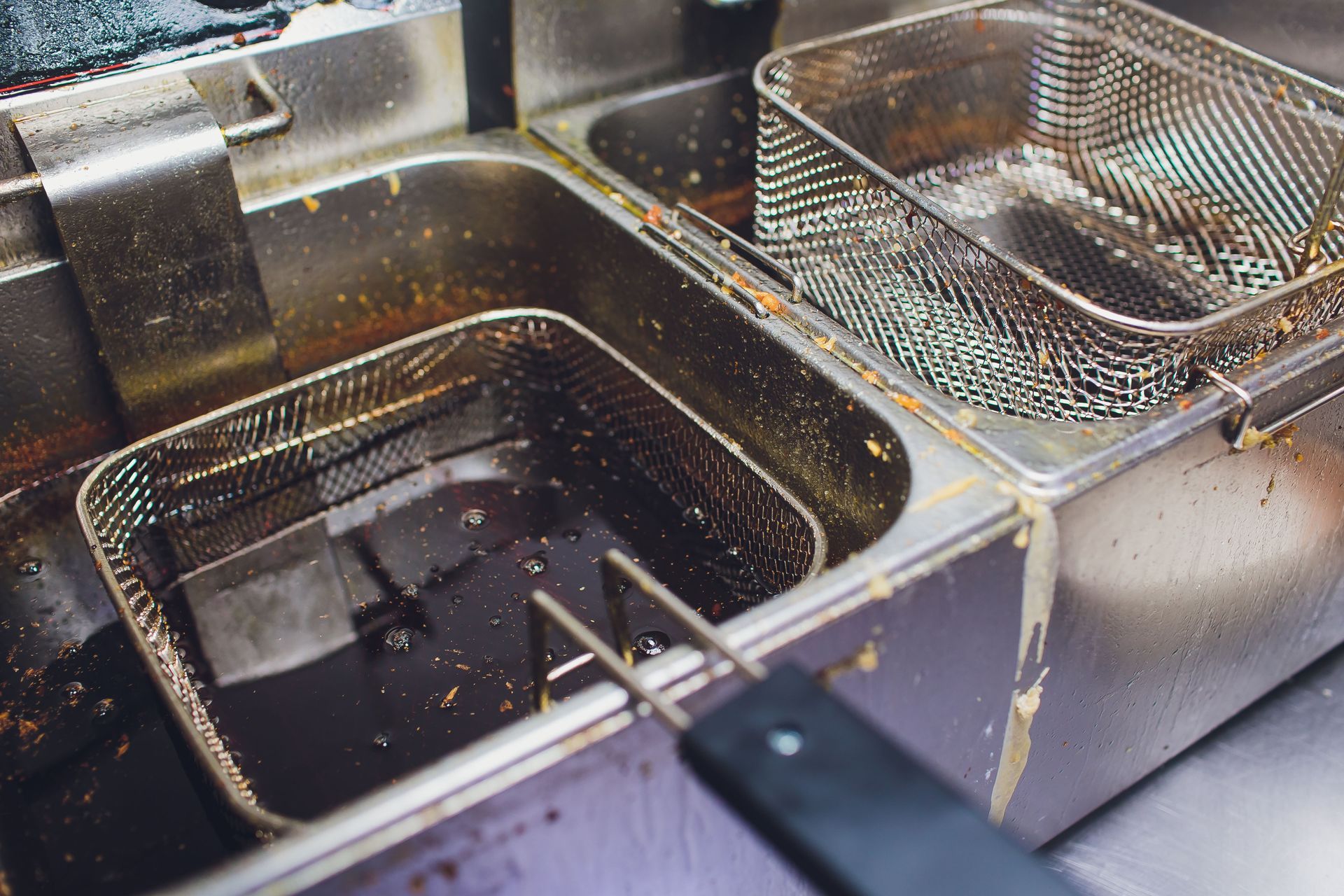
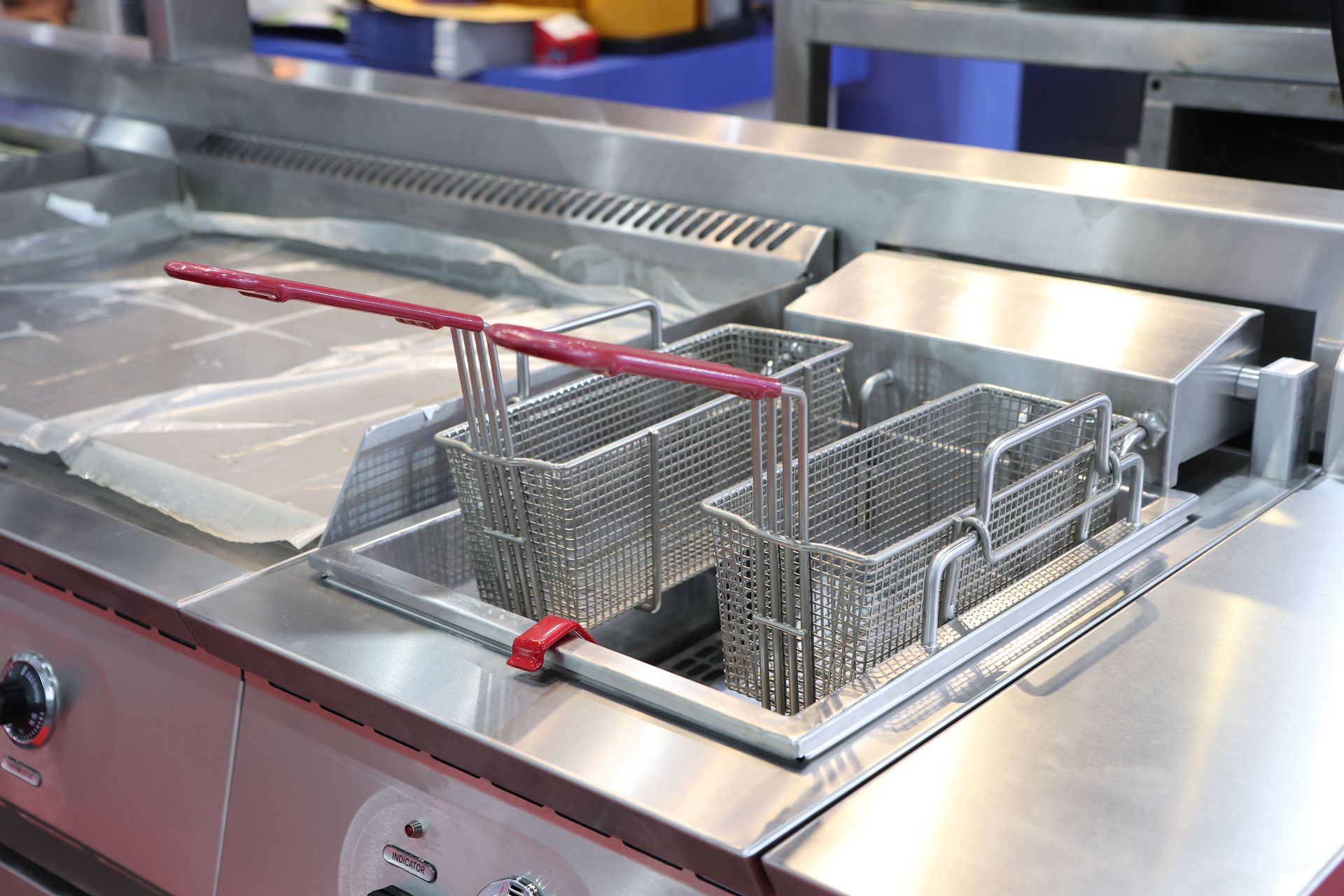
Used cooking oil, a byproduct of deep frying and other cooking methods, typically originates from both commercial and residential kitchens. This oil, once deemed unusable after cooking, accumulates in huge quantities globally. Restaurants and fast food chains are particularly significant contributors, where vast amounts of oil turn from culinary staple to waste on a daily basis. The challenge begins when this oil has reached the end of its cooking life. Without proper management, these quantities of oil become an environmental burden rather than an opportunity for recycling. We often see how small oversights in waste collection quickly escalate into substantial community hazards.
Accumulation of used cooking oil poses significant waste management challenges. Domestic setups often lack the infrastructure or knowledge for proper disposal, leading to pouring it down drains or mixing it with general waste instead of using restaurant grease traps. Significant amounts of used oil end up in landfills or waterways, contributing to pollution and strain on sewage systems. While unnoticed in the home, these small acts accumulate to a large-scale environmental impact. Failure to manage this oil effectively reveals the importance of viewing it as a resource rather than waste. Through proper maintenance and education, we can help commercial operators establish vastly superior disposal habits.
The identification and redirection of used cooking oil through restaurant grease traps as a resource have become integral in sustainable waste management. Entrepreneurs and environmentalists push for innovation, seeking methods to transform UCO into viable products like biofuels. Transitioning used cooking oil from waste into a resource requires collaborative efforts from all parts of society, including policymakers, business owners, and consumers. These movements not only contribute to reducing waste but also offer economic opportunities in growing industries. Hereby, the narrative shifts from pollution problems to possibilities for innovation and environmental conservation.
Examining Traditional Disposal Methods
The traditional methods of used cooking oil disposal typically involve direct dumping into drains or trash, posing a host of issues. This practice is detrimental to sewage systems, often leading to blockages and, consequently, costly repairs. These clogged systems also pose public health risks and create serious sanitation issues. Furthermore, improperly disposed oil forms a stubborn layer on water bodies, disrupting aquatic ecosystems and impacting marine life. Unfortunately, millions of gallons of used cooking oil are dumped irresponsibly each year, necessitating a global reevaluation of standard disposal practices.
Besides structural damages, these disposal methods have severe environmental consequences. The film of oil that forms on water surfaces cuts off oxygen supply, which is critical for the survival of aquatic creatures. This creates a ripple effect, disturbing the entire aquatic ecosystem balance. Moreover, when discarded inappropriately on land, oil can leach into the soil and pose threats to terrestrial ecosystems. It is clear that traditional disposal methodologies fail to prioritize environmental health, emphasizing the need for more responsible practices.
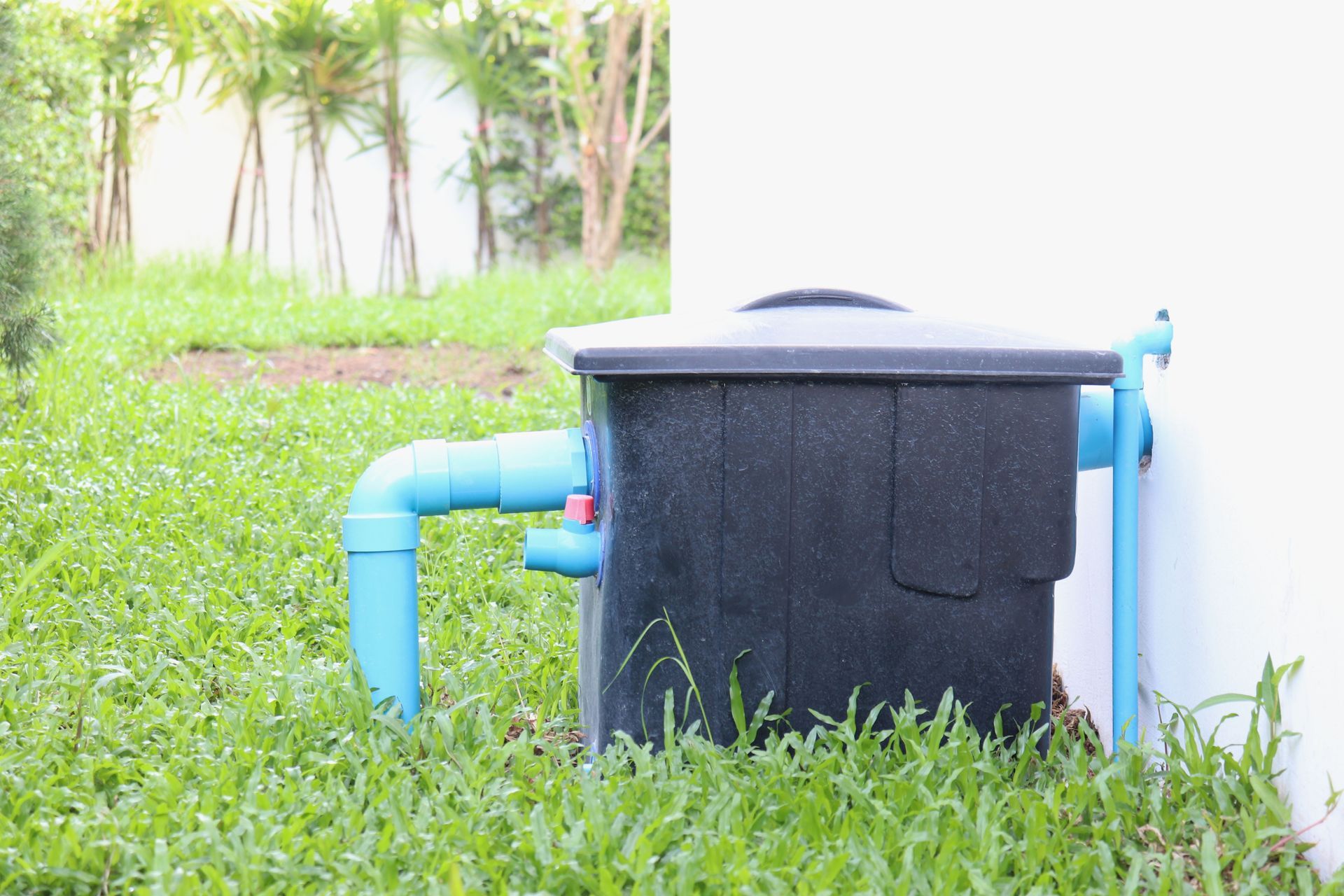
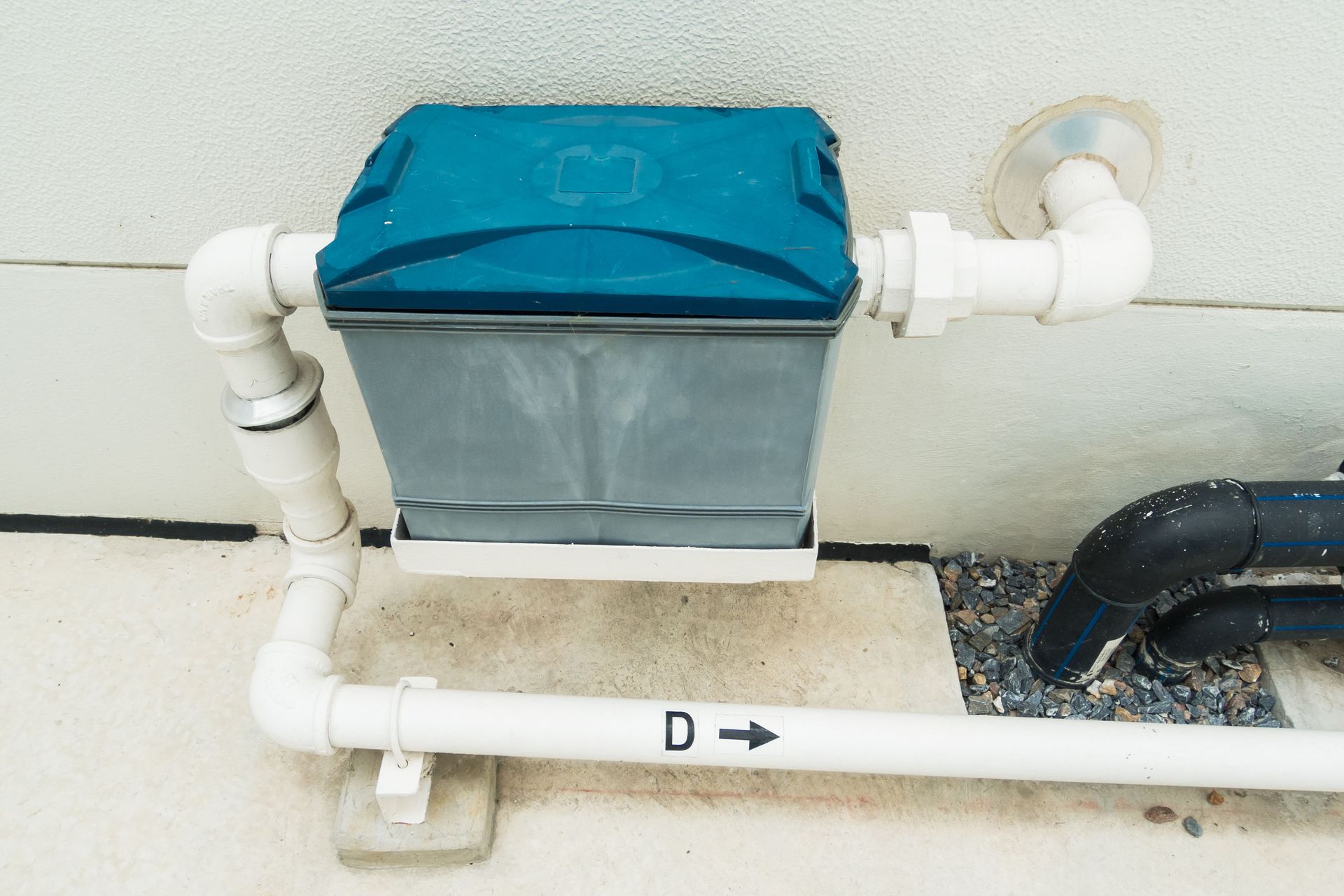
Alternative pathways for recycling and repurposing used cooking oil are increasingly recognized for their importance. According to Spherical Insights, evaluation of the international grease traps sector placed its worth at $2.77 billion USD in 2025. These solutions not only alleviate environmental concerns but also present economic benefits. This burgeoning market encourages investment and innovation in UCO recycling technologies. Pivoting from traditional methods to these solutions reflects a broader trend towards sustainability and resource optimization, positively impacting both the environment and economy. Commercial entities rely heavily on restaurant grease traps to catch harmful byproducts before they enter municipal lines.
Transitioning From Waste to Resource
Transitioning used cooking oil from a waste product to a viable resource has implications far beyond waste management. This process begins with the establishment of collection systems that keep UCO separate from general waste streams. Properly managed, used cooking oil can enter recycling facilities designed to transform it into valuable products. This shift from disposing to recycling represents a significant change in environmental perspective. It marks a growing awareness and commitment to sustainability, advocating for circular economic models.
The conversion of used cooking oil into biofuels showcases one of its primary value propositions as a resource. By repurposing UCO for biofuel production, we not only address waste but also contribute to energy solutions. This shift supports broader renewable energy goals, aligning with efforts to minimize reliance on fossil fuels. Biofuels derived from UCO offer a cleaner energy alternative, reducing the overall carbon footprint. These actions indicate a profound shift in how we perceive and manage waste.
Encouraging the transition of UCO from waste to resource requires not only innovation but active partnerships among stakeholders. Governments, businesses, and local communities each play crucial roles in facilitating efficient collection, processing, and utilization of used cooking oil. Awareness campaigns and education can help alter behavioral patterns, ensuring consumers understand the benefits of recycling UCO. Progress in this area reflects a collaborative environmental ethic, highlighting achievable sustainability goals when diverse groups work towards common objectives. Commercial facilities that routinely service restaurant grease traps play an indispensable role in maintaining these critical collection streams.
Protecting Plumbing and Sewage Infrastructure
The improper disposal of used cooking oil takes a significant toll on plumbing and sewage systems. When oil is poured down drains, it combines with other debris, creating blockages known as fatbergs. These congealed masses cause significant operational issues, leading to backups and overflows. The resulting damages necessitate costly repairs and cleaning operations, disrupting community services and incurring public expenses. Sustainable practices in oil management could prevent the financial burdens experienced by municipalities due to infrastructure decay.
Aside from repairs, the blockages caused by fatbergs increase the risk of sewage spills. Overflow incidents pose severe public health risks, polluting local environments and potentially affecting drinking water supplies. The maintenance and emergency responses required further strain municipal resources, underscoring the long-term advantages of effective waste oil management. Addressing these challenges proactively improves sewage system reliability and community health. A collaborative commitment to proper oil disposal can mitigate these risks, preserving infrastructure integrity and public welfare.
Used cooking oil recycling presents a practical solution to these challenges, eliminating oil as a contributing factor to urban plumbing issues. Comprehensive education on the detrimental effects of improper oil disposal can alter consumer habits, lessening the impact on municipal systems. Upgrades in domestic plumbing and city networks help capture oils before they enter public sewers. Commercial kitchens avoid major fines and backed-up lines when they regularly clean restaurant grease traps. Emphasizing sustainable practices at the individual and community level promotes both environmental and infrastructural resilience.
Maximizing Environmental Operational Value
Managing commercial liquid waste efficiently requires a dedicated partner capable of delivering reliable, comprehensive solutions. We serve commercial kitchens throughout the Midwest with top-tier liquid waste management, cooking oil recycling, and specialized maintenance options. Our team provides 24-hour emergency service to handle unexpected plumbing crises, as well as same-day service completion for routine maintenance calls. To help businesses save on essential upkeep, we also provide attractive discounts for bundled services across our entire range of solutions. Maintaining functional restaurant grease traps is seamless when backed by an experienced team.
Partnering with an experienced provider ensures your waste oil is redirected toward sustainable biofuel production rather than ending up in local landfills. We provide end-to-end
restaurant grease traps care, automated equipment installations, and efficient restaurant grease removal tailored to your kitchen's unique output. By taking a proactive approach to grease management, your business actively cuts urban heat impacts, protects local waterways, and reduces greenhouse gases. Connect with Brooks Grease Service today to schedule your service or discuss custom solutions for your facility!