October 9, 2026
Maintaining a clean and compliant food service operation requires more than keeping kitchens, dining areas, and restrooms visibly clean. Food businesses must also manage the less visible systems that support sanitation and protect municipal wastewater infrastructure. One of the most important of these systems is the grease trap, which captures fats, oils, and grease before they enter sewer lines. Proper maintenance can help restaurants and other food establishments meet local requirements while reducing the risk of plumbing problems.
According to Industry Research, there are more than 3.5 million food service establishments worldwide, highlighting the widespread need for effective grease management and properly maintained grease traps. With so many businesses producing wastewater containing grease, municipalities rely on regulations and maintenance requirements to help protect public sewer systems.
For food businesses, following these requirements is not simply about avoiding penalties. Consistent maintenance can support efficient operations, protect employees and customers, and reduce the likelihood of disruptive plumbing problems. This is where professional grease trap services can play an important role in maintaining a clean and compliant commercial kitchen.
What Are Grease Trap Services?
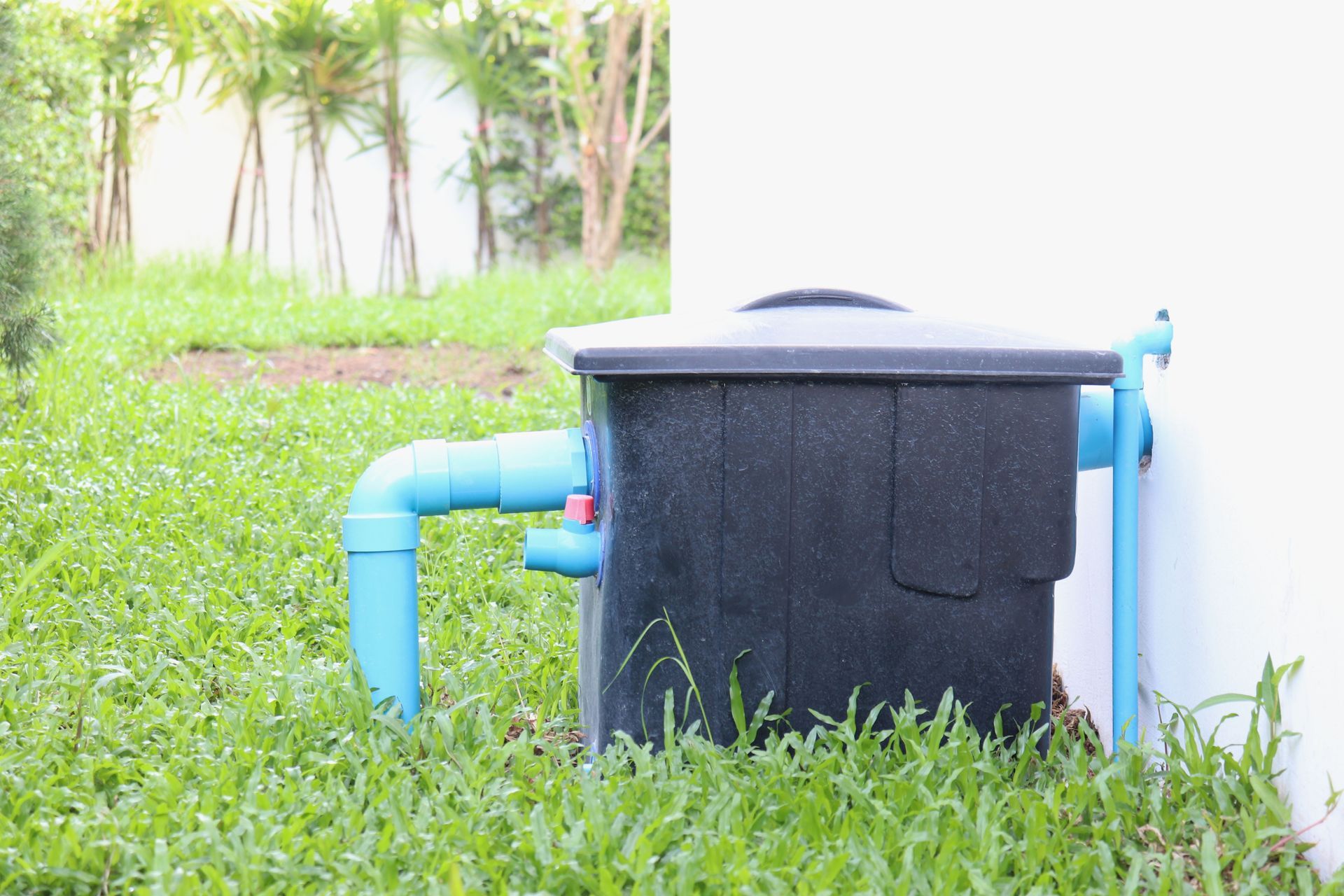
Grease trap services encompass the cleaning, inspection, pumping, and maintenance of grease traps and interceptors used by commercial food establishments. These devices are designed to separate fats, oils, and grease from wastewater before it reaches the municipal sewer system. Over time, the collected material accumulates and must be removed to keep the trap functioning properly.
Regular
grease trap services can involve more than simply pumping out the contents of a trap. A qualified provider may inspect the equipment for signs of buildup, damage, odors, leaks, or other conditions that could interfere with proper operation. Depending on the system and local requirements, service providers may also document completed maintenance for the business's records.
Restaurants are not the only businesses that may need this type of maintenance. Cafeterias, bakeries, hotels, schools, hospitals, food processing facilities, and other commercial kitchens can generate wastewater containing grease. The amount and frequency of maintenance needed can vary considerably depending on the type of operation, kitchen volume, trap capacity, and applicable municipal regulations.
How Do Grease Trap Services Impact Health and Safety Regulations?
Grease trap maintenance has a direct relationship with sanitation and wastewater management. When fats, oils, and grease accumulate beyond the trap's intended capacity, they can interfere with wastewater flow and potentially contribute to blockages in plumbing or sewer lines. A neglected trap can also become a source of unpleasant odors and unsanitary conditions within a commercial facility.
Municipalities establish requirements for grease management because improperly handled grease can affect more than an individual business. Grease that escapes into public sewer systems can accumulate in pipes, potentially contributing to restrictions in wastewater flow and costly maintenance problems. Regular grease trap services help businesses manage the material before it becomes a larger plumbing or environmental concern.
Maintenance can also support workplace safety. A kitchen experiencing backups or wastewater drainage problems may become more difficult to clean and operate safely. Keeping grease management equipment serviced as required can help reduce the likelihood of unexpected disruptions.
Businesses should also understand that compliance requirements differ between municipalities. Some jurisdictions establish specific pumping schedules, documentation requirements, equipment standards, or inspection procedures. Rather than assuming that one schedule applies everywhere, operators should review the requirements established by their local wastewater authority or health department.
What Is the Frequency of Grease Trap Maintenance?
There is no universal maintenance schedule that applies to every food business. The appropriate frequency depends on factors such as the size of the grease trap, the volume of wastewater generated, the type of food prepared, and the amount of grease entering the system. Local regulations may also establish minimum service requirements.
High-volume restaurants that frequently fry foods or prepare large quantities of meat may require more frequent pumping than smaller establishments with limited grease production. A business should not necessarily wait until a trap is completely full before arranging service. Allowing excessive accumulation can increase the risk of odors, backups, and operational problems.
Businesses should monitor their grease traps and maintain records of each service visit. Documentation can help operators recognize patterns in grease accumulation and determine whether their current schedule is adequate. It can also provide useful evidence that required maintenance has been completed if a municipal inspection occurs.
Professional grease trap services can help businesses establish a practical maintenance routine based on their specific operation. Service providers can assess the condition of the equipment and identify signs that cleaning may need to occur more frequently. Following both professional recommendations and applicable municipal requirements can help businesses avoid treating maintenance as an afterthought.
What Are the Consequences of Non-Compliance?
Neglecting grease trap maintenance can create problems ranging from inconvenient kitchen disruptions to municipal enforcement action. When a business fails to follow applicable requirements, it may face notices of violation, fines, mandatory corrective action, or other penalties established by the local authority. The specific consequences depend on the jurisdiction and the nature of the violation.
There can also be operational consequences. An overloaded or poorly maintained grease trap may contribute to slow drainage, backups, foul odors, or plumbing problems. These issues can interrupt food preparation and potentially require emergency service at an inconvenient time. A business could also face additional costs if grease-related problems extend beyond the facility's plumbing and affect connected sewer infrastructure.
Regular grease trap services provide an opportunity to identify developing problems before they become major disruptions. Consistent maintenance may also help protect equipment and reduce the likelihood of having to address an emergency during a busy service period.
Businesses should therefore view compliance as an ongoing responsibility rather than a one-time task. Keeping maintenance records, following local requirements, and addressing problems promptly can create a more predictable approach to grease management.
How to Choose a Reliable Grease Trap Service Provider
Choosing a qualified service provider is an important part of maintaining a commercial grease management program. Businesses should begin by determining what services they need and what requirements apply to their specific location. A provider should be familiar with commercial grease traps, applicable disposal procedures, and the documentation that may be required by local authorities.
Experience is another useful consideration. Food businesses can have very different grease production levels and equipment configurations, so a provider should be capable of working with the type of system installed at the facility. Businesses may also want to ask how service appointments are documented and whether the provider can provide records after completing the work.
Clear communication is equally important. A reliable provider should explain what maintenance is being performed, identify apparent issues with the system, and communicate when additional work may be necessary. Businesses should be cautious of providers that offer vague service descriptions or cannot clearly explain what is included.
Scheduling is also worth considering. Food establishments may operate on demanding schedules, making predictable service particularly valuable. Establishing recurring grease trap services can help businesses avoid relying on emergency calls when a trap reaches capacity.
Municipal compliance is an essential part of operating a responsible food business. Grease traps play an important role by separating fats, oils, and grease from wastewater before those materials can enter the broader sewer system. However, simply having a grease trap installed does not eliminate the need for regular maintenance.
Professional grease trap services can help businesses clean and inspect their equipment, maintain useful service records, and address potential problems before they interfere with daily operations. The appropriate service frequency depends on the facility, its grease production, equipment capacity, and local regulations, making a customized maintenance schedule important.
Food businesses should also remember that compliance requirements vary by municipality. Reviewing local rules and working with a knowledgeable service provider can help operators understand their responsibilities and establish an appropriate maintenance routine.
Ultimately, effective grease management supports more than regulatory compliance. It can contribute to cleaner operations, fewer plumbing disruptions, and better protection for municipal wastewater infrastructure. By treating grease trap maintenance as a routine operational responsibility, food businesses can take a proactive approach to keeping their facilities compliant and functioning efficiently. If you're in need of grease trap service, reach out to Brooks Grease Service today!