August 4, 2026
Every commercial kitchen depends on equipment that rarely gets a second thought until it fails. A restaurant grease trap is one of those unsung workhorses, quietly intercepting fats, oils, and grease before they reach municipal sewer lines. When it functions properly, nobody notices. When it deteriorates, the consequences show up fast: backups, foul odors, code violations, and costly emergency repairs. Understanding why a restaurant grease trap breaks down over time isn't just useful knowledge for restaurant owners and facility managers—it's essential to protecting daily operations and avoiding expensive surprises. Below, we walk through the primary factors that drive deterioration and explain how proactive care can extend the life of this critical system.
Understanding How Grease Buildup Accelerates Deterioration
The most obvious cause of decline in a restaurant grease trap is also the most preventable: excessive grease accumulation. Every trap is designed to hold a certain volume of fats, oils, and grease before it needs to be pumped out. When that capacity is exceeded, the buildup doesn't just clog the system—it begins to chemically interact with the trap's interior surfaces. Over time, this constant exposure to concentrated grease wears down metal and plastic components alike, softening seals and weakening structural integrity. Restaurants that delay pumping schedules to save money often end up paying far more in repairs or full replacements down the line.
Identifying Corrosion From Chemical and Bacterial Activity
Grease doesn't sit inertly inside a trap; it breaks down through bacterial digestion, releasing acidic byproducts and hydrogen sulfide gas as it decomposes. These byproducts are corrosive, and when a restaurant grease trap is made of steel or other metal components, prolonged exposure eats away at the material from the inside out. This corrosion often goes unnoticed until a leak develops or the trap's structural walls begin to fail. Kitchens that use harsh cleaning chemicals near the trap can unintentionally accelerate this process further, since certain solvents react poorly with the organic matter already breaking down inside.
Recognizing Damage From Improper Installation and Sizing
Not all deterioration stems from daily use. In many cases, the seeds of failure are planted the moment a restaurant grease trap is installed. A trap that's undersized for the kitchen's volume will be overwhelmed constantly, forcing it to work beyond its intended capacity and wearing out components far faster than a properly sized unit would. Similarly, poor installation—incorrect slope, inadequate venting, or substandard connections—creates conditions where grease and wastewater don't flow as designed. This leads to uneven pressure, standing liquid, and accelerated wear on joints and seals that were never built to handle that kind of strain.
Avoiding Consequences of Inconsistent Maintenance Schedules
Even a well-installed restaurant grease trap will degrade prematurely without consistent upkeep. Maintenance isn't just about pumping; it includes inspecting baffles, checking for cracks, monitoring flow rates, and confirming that the trap is operating within manufacturer specifications. Restaurants that treat maintenance as an occasional task rather than a recurring necessity often find themselves dealing with sudden failures instead of gradual, manageable wear. Inconsistent scheduling also makes it harder to catch small issues early, which means minor problems are left to compound until they require far more invasive and expensive intervention.
Preventing Wear From Excessive Heat and Improper Disposal
Temperature plays a bigger role in grease trap deterioration than many kitchen staff realize. Pouring boiling water, hot oil, or steaming liquids directly into a restaurant grease trap can warp plastic components and stress metal seams, especially in units that weren't designed to handle rapid temperature swings. Improper disposal habits compound this problem. Food particles, coffee grounds, and non-grease debris that end up in the trap add unnecessary volume and strain, forcing the system to filter material it was never intended to process. Training kitchen staff on proper disposal practices is a simple, low-cost way to reduce this kind of accelerated wear.
Extending Lifespan Through Professional Inspection and Care
Perhaps the single biggest factor separating a restaurant grease trap that lasts for years from one that fails early is the quality and consistency of professional care. According to The Restaurant Warehouse, a new grease trap generally holds up for five to 10 years, and with proper maintenance, that lifespan can extend well beyond that range. That statistic underscores an important truth: deterioration isn't inevitable. It's largely a function of how well the system is monitored, cleaned, and repaired over time. DIY maintenance efforts, while well-intentioned, often miss early warning signs that trained technicians are equipped to catch—hairline cracks, early corrosion, subtle changes in flow rate, or seal wear that isn't visible during a routine glance. Partnering with professionals who understand the mechanics of grease trap systems means problems get addressed before they escalate into costly emergencies. Regular professional inspections also help restaurants stay compliant with local health and environmental codes, which is a growing concern as municipalities tighten enforcement around grease disposal and wastewater management. Rather than treating professional service as an expense to minimize, forward-thinking restaurant owners view it as an investment that protects both their equipment and their bottom line.
Considering the Impact of Age-Related Material Fatigue
Even with excellent care, every restaurant grease trap has a natural lifespan dictated by the materials it's built from. Steel components can develop microfractures over years of pressure changes and temperature cycling, while plastic and fiberglass units may become brittle with age. This gradual material fatigue isn't always the result of neglect—it's simply the byproduct of time and continuous use. Recognizing that age itself contributes to deterioration helps restaurant owners plan ahead rather than react. Scheduling periodic evaluations as a trap approaches the higher end of its expected lifespan can catch fatigue-related issues before they turn into full system failures.
Addressing Risks Tied to Overlooked Environmental Factors
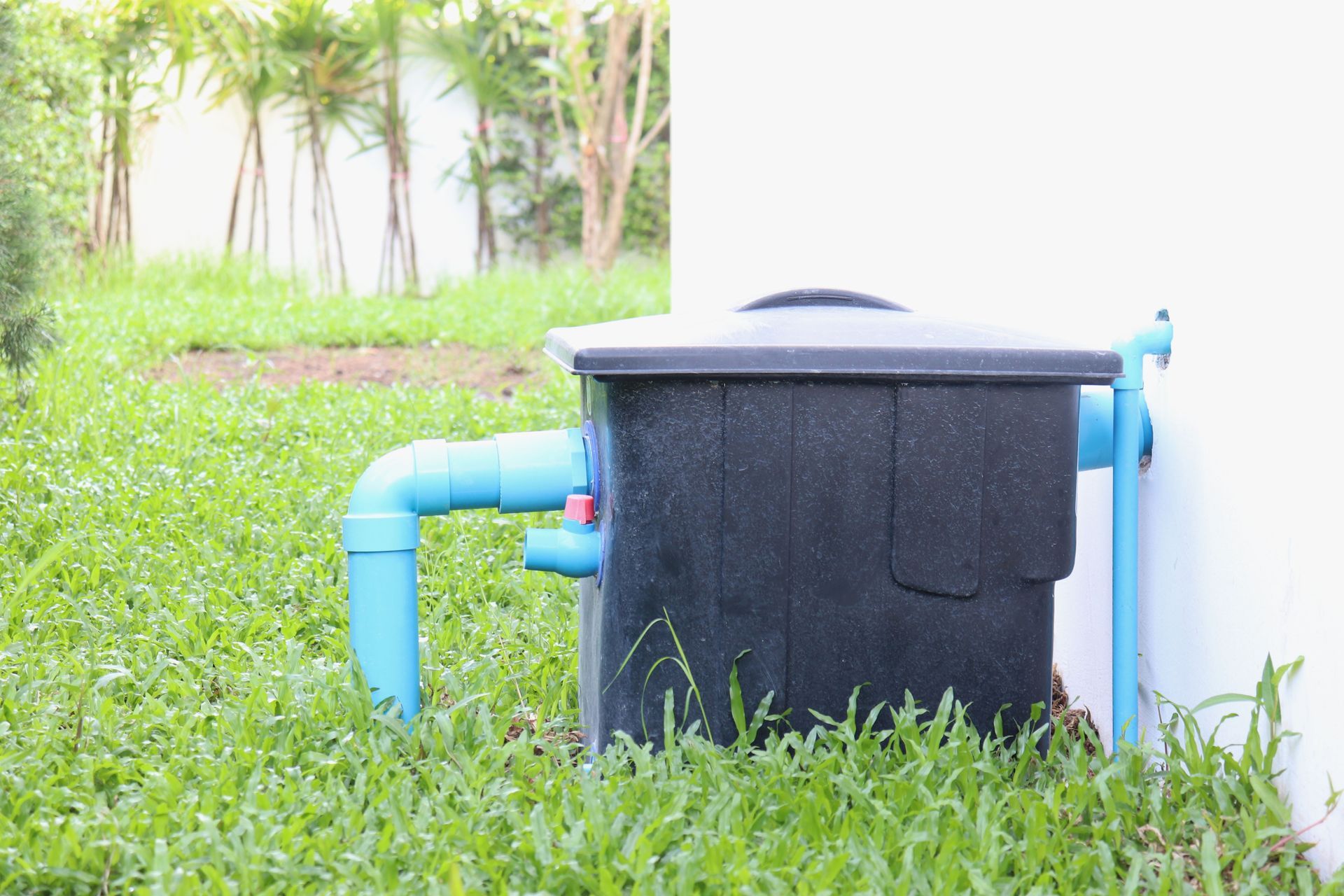
External conditions surrounding a restaurant grease trap can quietly contribute to its decline. Traps installed outdoors or in areas exposed to fluctuating soil moisture, freezing temperatures, or ground shifting may experience added stress on their housing and connections. Poor drainage around the unit can also lead to water infiltration, which accelerates rust and undermines structural stability over time. These environmental pressures are easy to overlook because they develop gradually and outside the kitchen itself. Accounting for site conditions during installation and periodically reassessing the surrounding environment helps prevent avoidable, location-driven wear.
A restaurant grease trap works hard behind the scenes, and like any piece of essential equipment, it deteriorates faster when it's neglected, overworked, or improperly maintained. From grease buildup and chemical corrosion to sizing issues and inconsistent upkeep, the causes of deterioration are varied, but they share a common thread: most are preventable with the right combination of awareness and professional support. Restaurants that stay ahead of these issues not only avoid unpleasant surprises but also extend the functional life of their systems well beyond the average expectancy. Waiting until a problem becomes visible—or worse, until it causes a backup—almost always costs more than staying proactive from the start.
If you're ready to protect your kitchen's plumbing and avoid the headaches that come with a failing system, we invite you to reach out to us at Brooks Grease Service. We provide grease trap pumping and thorough cleaning, preventative maintenance, and customized service plans built around your kitchen's size and grease output. Let's put a plan in place that keeps your restaurant grease trap running reliably for years to come.