July 13, 2026
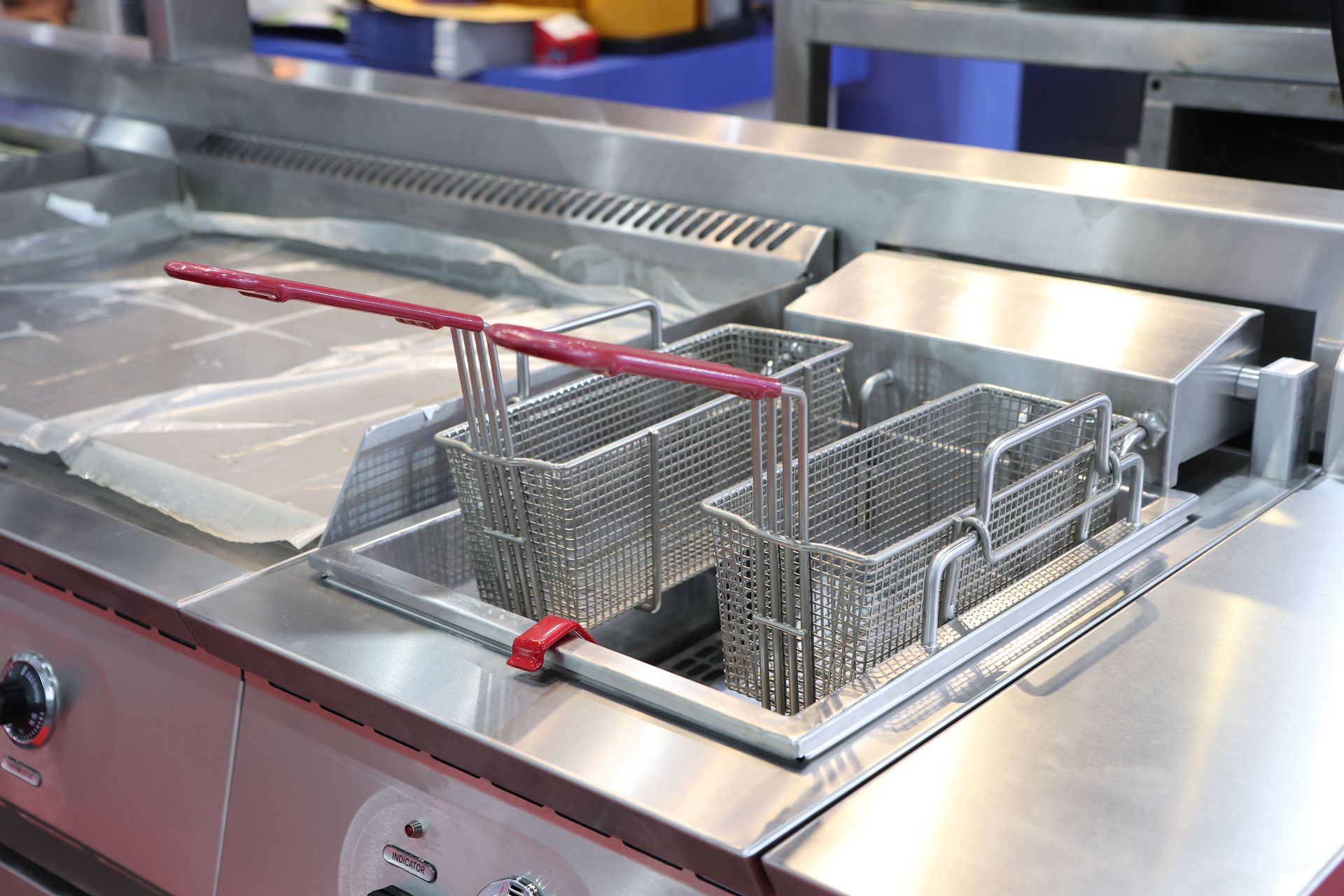
Kitchens across the country generate massive amounts of grease every single day. From local diners to massive food manufacturing plants, disposing of this byproduct requires careful planning. Simply pouring it down the drain leads to clogged pipes, costly plumbing disasters, and environmental damage. This is why thousands of commercial kitchens rely on used cooking oil recycling to manage their waste sustainably and efficiently. While many people see this disposal as a chore, the journey from deep fryer to renewable fuel is a fascinating, multi-step process that turns waste into a valuable resource.
The transformation of kitchen grease into a usable product requires a careful combination of logistics, science, and specialized equipment. Commercial establishments cannot just throw their grease into standard trash bins, nor can they handle the purification process on their own. Instead, they rely on dedicated service providers to manage the heavy lifting. By exploring each phase of the journey, restaurant owners and facility managers can better appreciate how their daily kitchen habits contribute to a massive, eco-friendly supply chain.
Collecting the Material from Local Kitchens
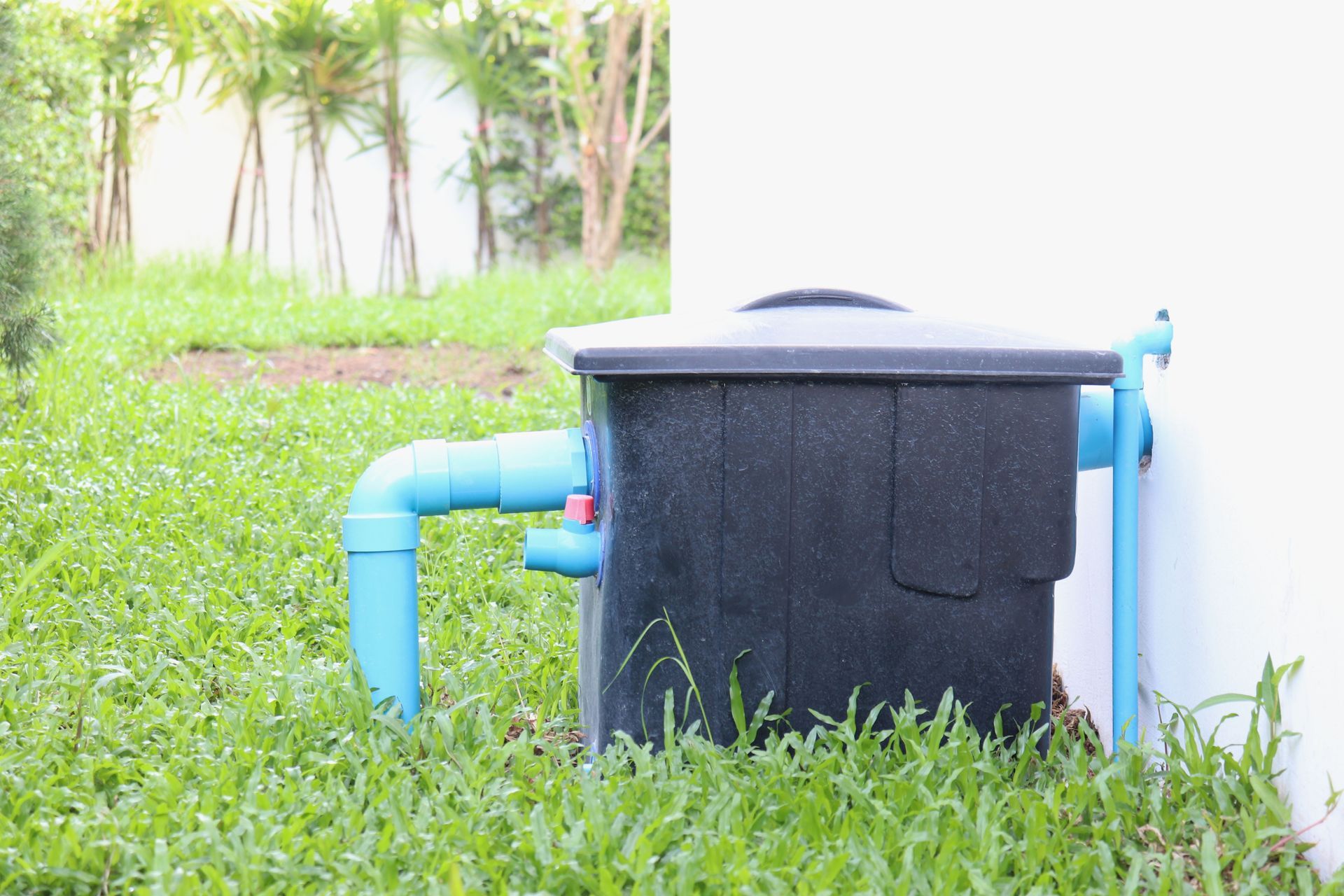
The journey begins right at the back door of the commercial kitchen. Restaurants, hotels, and food processing plants utilize specialized storage containers to collect their frying grease safely. Once these containers fill up, a service vehicle arrives to pump the liquid out into a large transport tank. This collection phase relies heavily on consistency and reliability, ensuring that kitchens never overflow with hazardous, slippery waste. Proper collection prevents spills, deters pests, and keeps the workplace clean and compliant with health regulations.
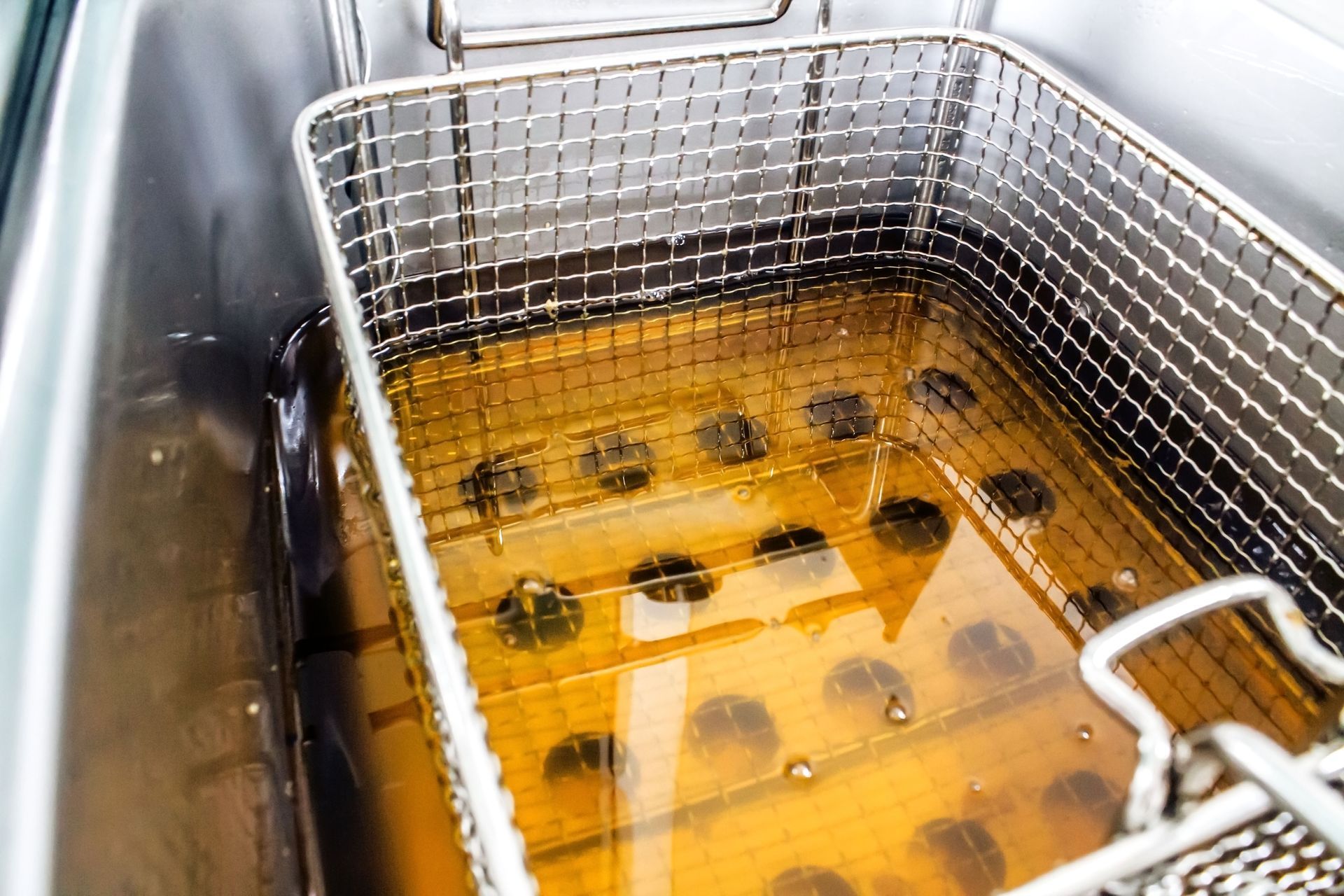
During this initial stage, the collected material is far from pure. It contains food particles, water, batter crumbs, and various chemical compounds from the cooking process. Despite the debris, this raw material serves as the foundation for the entire sustainable manufacturing process. The efficiency of the collection network ensures that millions of gallons of waste bypass local landfills and water treatment facilities entirely, setting the stage for effective used cooking oil recycling on a massive scale.
Transporting Waste Safely to Processing Facilities
Once the transport trucks finish their local collection routes, they haul the raw material to a specialized processing facility. Transporting large quantities of liquid waste demands strict adherence to safety standards to prevent accidental spills on public roads. Drivers utilize heavy-duty hoses and vacuum pumps to secure the material within sealed tanks. This stage of the process minimizes environmental risks and ensures that the material arrives at the refinement plant without contamination from outside elements.
The logistics network required for this transport operates continuously behind the scenes. Without a steady flow of incoming material, refinement facilities cannot produce the high-quality bio-distillates needed by various industries. This transportation phase bridges the gap between individual food service establishments and the larger green economy. It demonstrates how a localized waste management effort scales up to meet broader industrial and environmental demands across the country.
Filtering Out Solid Impurities and Debris
Upon arrival at the processing facility, the raw material undergoes a rigorous filtration process. The liquid passes through a series of heavy-duty mesh screens designed to catch large pieces of debris. These screens trap residual food particles, carbonized batter, plastic wrappers, and any other solid objects that accidentally fall into the kitchen storage tanks. Removing these solids is crucial because they can damage downstream refining machinery and degrade the quality of the final product.
Filtration typically occurs in multiple stages, moving from coarse screens to much finer filters. As the liquid progresses through the system, it becomes visibly clearer and more uniform in texture. This mechanical separation does not alter the chemical structure of the liquid, but it prepares the material for more advanced purification techniques. Eliminating solid waste early ensures that the subsequent heating and separation phases can proceed smoothly and efficiently.
Separating Residual Water and Fine Particles
Even after large solids are removed, the liquid still contains a significant amount of water and microscopic impurities. Water naturally accumulates in frying grease from the moisture present in raw foods. To separate the water from the valuable lipids, processors pump the liquid into massive settling tanks. Here, the mixture is gently heated to reduce its viscosity, allowing the different components to separate based on their natural densities.
Because oil is less dense than water, it naturally rises to the top of the settling tanks, while the heavier water and fine silt sink to the bottom. In some advanced facilities, high-speed centrifuges spin the liquid to accelerate this separation process. The pure, dehydrated fat is then skimmed off the top, leaving behind clean water that can be safely treated and returned to the municipal system. This critical step yields a purified product that meets strict industrial specifications.
Refining the Clean Liquid into Renewable Energy
The purified material is now ready for its final transformation into renewable energy sources, primarily biodiesel and renewable diesel. Refineries subject the clean liquid to a chemical process known as transesterification. During this reaction, the lipids react with an alcohol, usually methanol, in the presence of a catalyst. This chemical reaction breaks apart the fat molecules, creating fatty acid methyl esters, which function identically to traditional petroleum diesel fuel.
The resulting biodiesel burns significantly cleaner than fossil fuels, emitting far fewer greenhouse gases and particulates into the atmosphere. This transformation highlights the ultimate value of used cooking oil recycling, turning a potential environmental hazard into a solution for global energy needs. Fleet vehicles, agricultural machinery, and public transit systems can utilize this fuel with little to no modification to their existing diesel engines, making it a highly practical alternative fuel source.
Manufacturing Bio-Based Industrial Products
While fuel production consumes a massive portion of the refined material, the manufacturing sector also utilizes this resource for non-energy applications. The purified fats serve as excellent base ingredients for various industrial lubricants, greases, and solvents. Because these products originate from organic matter rather than petroleum, they are biodegradable and safer for workers to handle in industrial environments. This versatility adds additional economic value to the entire collection and refinement pipeline.
Furthermore, chemical companies use the refined fatty acids to manufacture everyday household items, including soaps, cosmetics, and specialized plastics. The ability to substitute petroleum derivatives with recycled organic materials helps reduce the overall carbon footprint of these manufacturing sectors. This diverse market demand ensures that every gallon of recovered kitchen grease finds a productive, eco-friendly purpose, supporting a circular economy that benefits multiple industries simultaneously.
Examining the Economic Impact of Recycling
The scale of the used cooking oil recycling industry extends far beyond individual commercial kitchens and processing plants. According to IBISWorld, the U.S. cooking oil recycling industry is projected to be worth $2.8 billion in 2026. This financial growth reflects the increasing demand for sustainable fuel alternatives and the widespread adoption of green waste management practices by corporate food service providers. The economic viability of the sector ensures its long-term permanence and continuous technological innovation.
This multibillion-dollar valuation also translates directly into job creation and local economic development. From the technicians who build the processing machinery to the drivers who navigate the collection routes, the industry supports a diverse workforce. By participating in used cooking oil recycling, commercial kitchens contribute to a robust economic engine that rewards sustainable choices. Financial incentives and regulatory compliance combine to make grease recovery a standard operating procedure for modern businesses.
Understanding the intricate process behind grease reclamation helps commercial kitchens see the true value of their waste management habits. From the initial collection at the kitchen door to the final chemical transformation into clean-burning biodiesel, every step of the journey serves a vital purpose. Proper management keeps kitchens compliant, protects municipal infrastructure, and fuels a sustainable economy. Establishing a reliable partnership for this service ensures that your business contributes positively to this nationwide green initiative without interrupting daily kitchen operations.
Managing kitchen waste efficiently requires expertise, dedicated equipment, and a reliable collection schedule tailored to your specific volume. Brooks Grease Service has been supporting commercial kitchens with
used cooking oil recycling and other professional waste solutions since 1957, serving the Midwest with a commitment to efficiency and regulatory compliance. We provide the dependable containers and timely collection schedules needed to keep your back-of-house running smoothly. Contact us today to learn more about how we can streamline your waste management and support your sustainability goals.