June 11, 2026
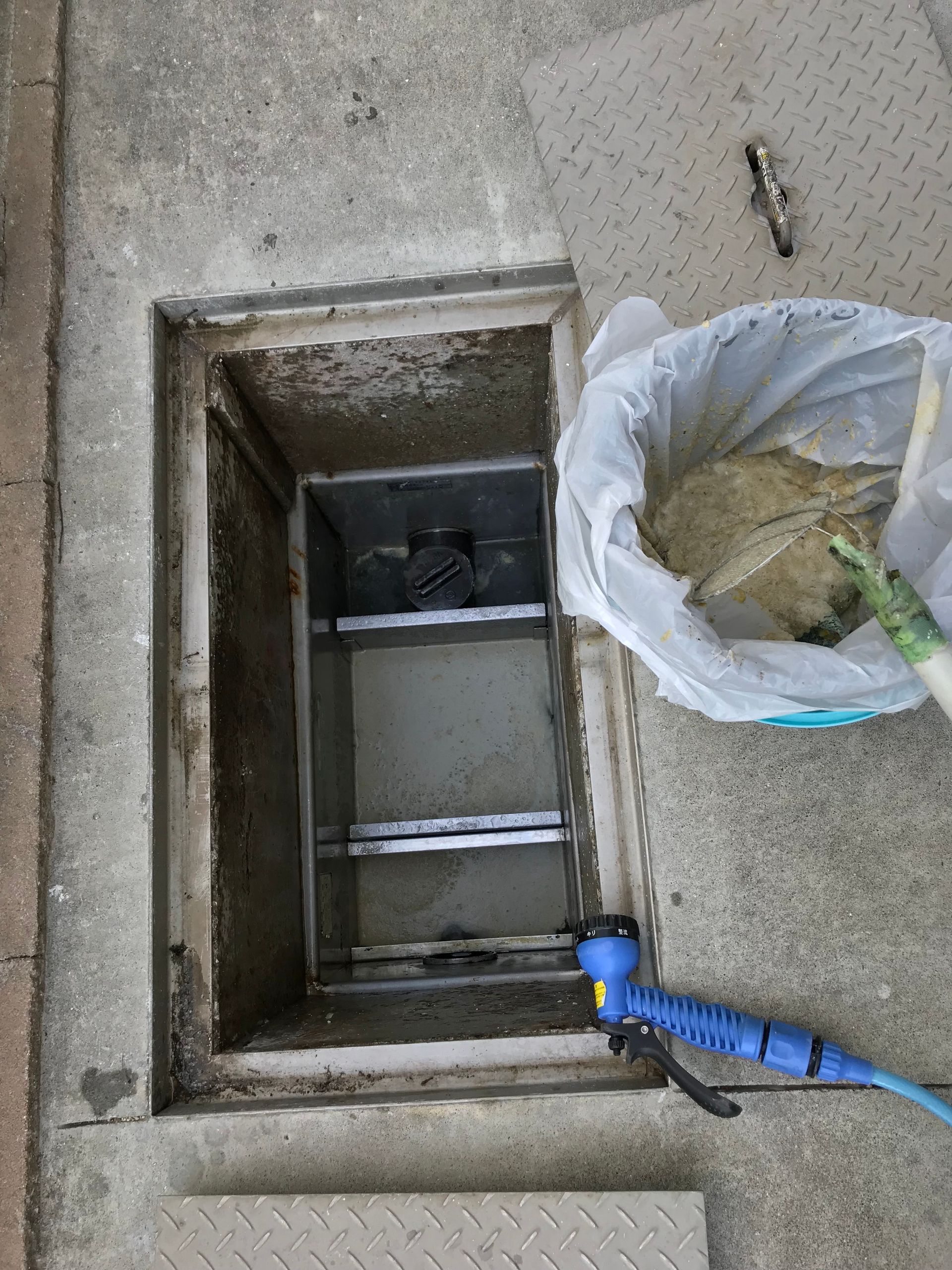
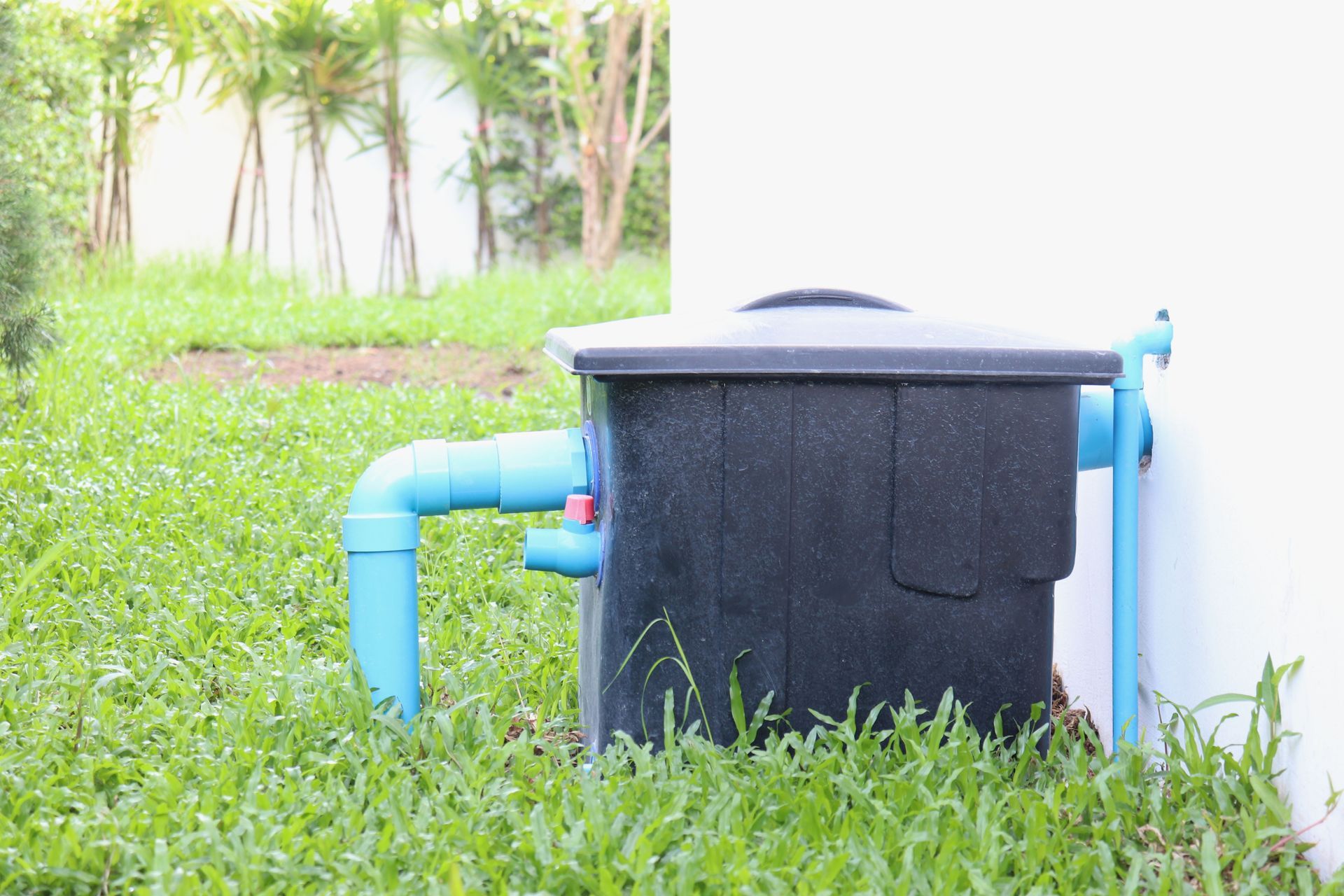
In the realm of food service and water management, grease traps play an essential role in ensuring smooth operations and environmental stewardship. Coming up, we'll dive into the critical reasons why regular grease trap services are essential for businesses and municipalities alike, touching on health, compliance, operational efficiency, and more.
Ensuring Health and Safety
Preventing Health Hazards
Grease build-up poses significant health risks within food service establishments. Stagnant grease can harbor bacteria and other pathogens that can lead to severe health issues. For businesses, this means a direct threat to both staff and customer health, potentially leading to foodborne illnesses. Routine grease trap services help prevent these health hazards by ensuring that grease does not accumulate to dangerous levels. By maintaining clean and functional grease traps, businesses can safeguard the well-being of everyone involved with their operations.
Eliminating Foul Odors
One of the most noticeable effects of a poorly maintained grease trap is the unpleasant odor it emits. As grease decomposes, it produces malodorous compounds that can permeate the establishment. This not only affects customer experience but also creates an uninviting work environment for employees. Regular cleaning and maintenance of grease traps are essential for eliminating these foul odors and ensuring a pleasant atmosphere. Through professional services, businesses can ensure that they uphold an appealing environment for both employees and patrons.
Maintaining Cleanliness and Hygiene Standards
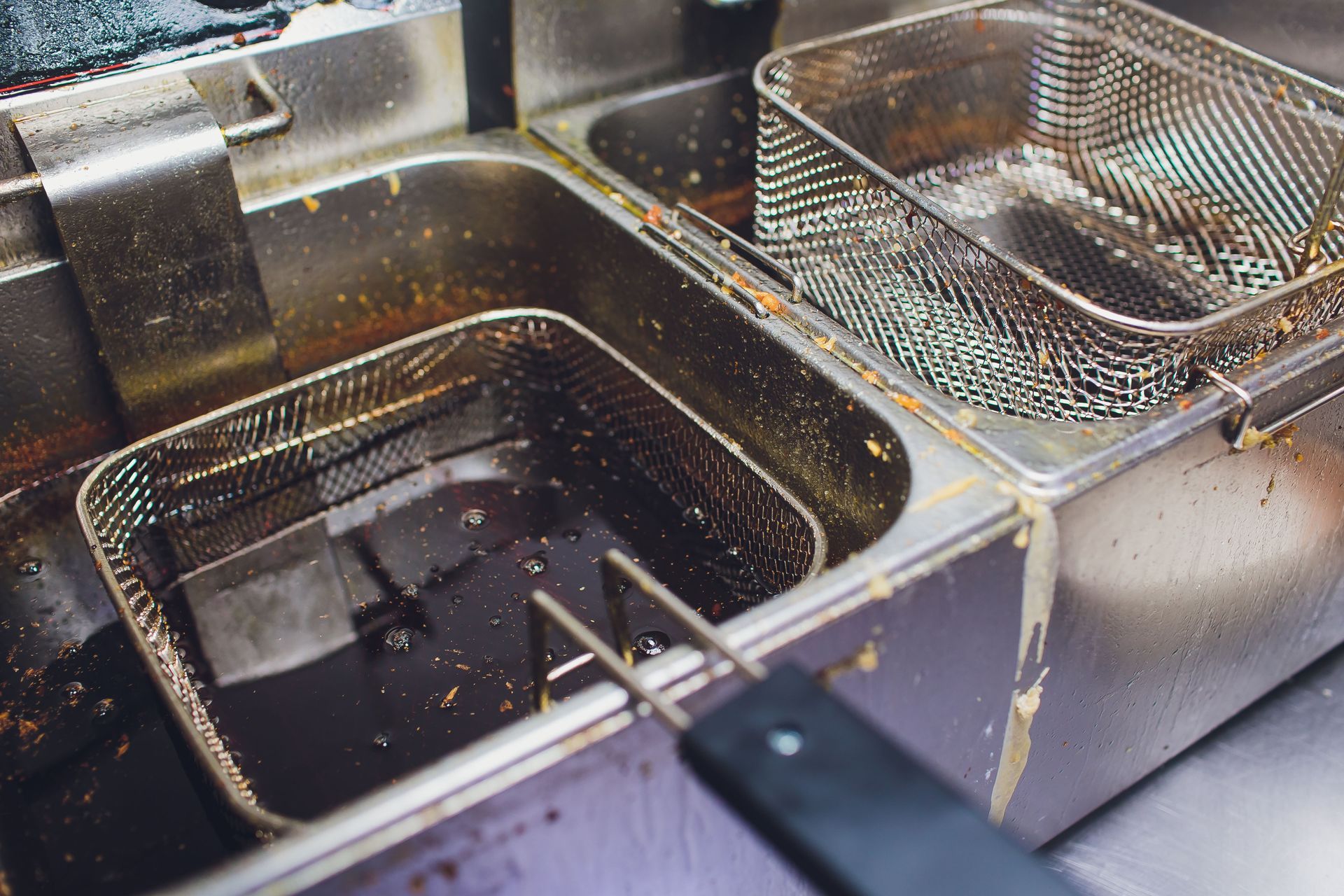
Hygiene and cleanliness form the backbone of any food service establishment. Grease traps play a crucial role in ensuring that these standards are consistently met. By preventing excess grease from entering kitchen environments, trap services contribute significantly to maintaining sanitary conditions. Regular services help remove accumulated grease, which could otherwise contaminate surfaces and equipment. Consistent upkeep of grease traps thus ensures that hygiene standards are not compromised, maintaining a clean and safe operational environment.
Compliance With Regulatory Standards
Understanding Grease Trap Regulations
Each locality often enforces specific regulations surrounding grease trap maintenance. Understanding these regulatory requirements is crucial for businesses to avoid legal ramifications. Regulatory guidelines dictate the expected frequency and methods for grease trap services, tailored to accommodate the unique needs of various industries. By understanding and adhering to these regulations, businesses can ensure compliance and build a positive relationship with regulatory bodies. This understanding forms the foundation for effective grease management and operational adherence to legal standards.
Training and Awareness
Educating staff on the importance of grease trap maintenance is a pivotal component of compliance. Training ensures that employees understand the procedures and significance of proper grease management. Awareness programs empower staff to take active roles in maintaining hygiene standards and recognizing potential grease issues early. This collective responsibility ensures that the establishment consistently meets compliance standards. By investing in training and awareness, businesses can create a culture of responsibility towards environmental and health regulations.
Documentation and Reporting
Accurate documentation and reporting are essential elements of effective grease management strategies. Keeping meticulous records allows businesses to track service schedules, maintenance activities, and inspection results. These records provide critical evidence of compliance and can be instrumental during regulatory reviews. By maintaining transparency through documentation, businesses can prove their commitment to environmental stewardship and regulatory adherence. Consistent reporting reinforces compliance, showcasing a reliable and responsible approach to grease management.
Enhancing Operational Efficiency
Reducing Plumbing Issues
Regular grease trap services play a crucial role in reducing plumbing issues within commercial establishments. Clogs and backups caused by grease can lead to costly repairs and operational downtime. By maintaining functional grease traps, businesses can prevent such issues from developing and ensure smooth plumbing operations. Effective grease management minimizes the risk of blockages that can otherwise disrupt day-to-day activities. This proactive approach saves businesses from unnecessary costs and maintains operational efficiency.
Improving Equipment Longevity
Grease buildup can significantly impact the lifespan of kitchen and plumbing equipment. Unchecked accumulation leads to corrosion and damage, necessitating frequent replacements or costly repairs. Regular grease trap services play a critical role in preserving equipment longevity by preventing buildup and related damage. Through consistent maintenance, businesses can safeguard their investments and encourage long-term operational viability. The regular cleaning and servicing of grease traps ultimately contribute to a more reliable and efficient equipment lifecycle.
Optimizing Workflow
Efficient grease management directly correlates with optimal workflow in food service operations. Grease buildup often results in bottlenecks, slowing down kitchen processes and impacting productivity. Well-maintained grease traps ensure that operations run smoothly without interruptions caused by clogs or backups. By optimizing grease management, establishments can maintain high levels of efficiency and service quality. In doing so, they can satisfy customer expectations and achieve greater overall productivity.
Preventing Environmental Pollution
Impact on Water Systems
Grease has a substantial impact on water systems, where it can lead to clogs and blockages that cause backups and overflows. This becomes problematic not only for the businesses discharging the grease but also for the municipal systems managing wastewater. In environments where grease accumulates excessively in water systems, it can severely disrupt aquatic ecosystems. According to Raleighnc.gov, within that locality, grease from restaurants, homes, and industrial sources is the cause of 47% of sewer blockages and overflows. Therefore, regular grease trap services are imperative to mitigate these environmental risks and maintain the health of water systems.
Avoidance of Soil and Groundwater Contamination
Untreated grease waste, when not managed effectively, can seep into the soil and contaminate groundwater. Contaminated groundwater affects not only the immediate environment but also the quality of drinking water for communities. Such contamination poses a severe threat to ecosystems, leading to loss of biodiversity and degradation of soil quality. By ensuring regular grease trap maintenance, the risks of contamination can be significantly reduced. Businesses must acknowledge the perilous impact of grease penetrating the natural environment and take active measures to prevent it.
Compliance With Environmental Regulations
Environmental regulations are set to safeguard natural resources, demanding that businesses adhere to waste management standards. With penalties looming for non-compliance, ensuring that grease traps are regularly serviced becomes not only a legal responsibility but also a moral one. Cities and localities, aware of the significant impact of grease on infrastructure, enforce these regulations stringently. Failure to comply can result in hefty fines, legal action, and potential shutdowns. Thus, businesses must prioritize regular service of grease traps to align with compliance standards and contribute positively to environmental preservation.
Supporting Waste Recycling and Resource Recovery
Recycling Grease Into Biodiesel
Grease collected from traps can be effectively recycled into biodiesel, a valuable alternative energy source. The conversion of waste grease to biodiesel presents an opportunity for businesses to contribute to renewable energy efforts. This process reduces dependency on traditional fossil fuels, aligning with broader sustainability objectives. By engaging in grease recycling programs, businesses transform waste into a beneficial resource, reducing their environmental impact. Biodiesel production from grease trap waste underscores the multifaceted benefits of responsible grease management.
Biogas Production
Biogas production is another method of utilizing grease waste innovatively. The anaerobic digestion of grease produces biogas, a renewable energy source that can power facilities. This process not only helps manage waste more efficiently but also generates sustainable energy, reducing greenhouse gas emissions. By converting waste into biogas, businesses contribute to energy security while minimizing their environmental footprint. Such innovative waste management strategies enhance the value of grease trap services beyond conventional practices.
Collaboration With Waste Management Entities
Collaboration with professional waste management entities is crucial for efficient grease recycling and resource recovery. These partnerships facilitate proper waste handling, ensuring that grease is processed and converted safely and effectively. Engaging with experts in waste management provides businesses with access to cutting-edge technologies and processes for grease recycling. This collaboration not only enhances grease management practices but also ensures compliance with recycling standards. Working together with these entities reinforces a commitment to responsible waste management, benefiting both the environment and the business.
Regular grease trap services are far more than a routine maintenance task—they are a critical component of responsible business operations and environmental protection. From preventing health hazards and unpleasant odors to ensuring compliance with regulations and reducing costly plumbing issues, proper grease trap maintenance supports the overall efficiency and safety of food service establishments. To initiate a professional cleaning routine on your restaurant's grease trap, reach out to Brooks Grease Service today.