June 5, 2026
Commercial kitchens operate at a rapid pace, generating large volumes of wastewater daily. Management teams must prioritize the liquid waste infrastructure that keeps these busy kitchens running smoothly. Properly handling oily byproducts prevents severe plumbing failures and public sewer damage. A key part of this strategy involves implementing restaurant grease traps, which serve as the primary line of defense. Understanding how these systems protect your establishment is vital for long-term business success.
Liquid waste management represents a major pillar of public health compliance for food establishments. When commercial kitchens ignore their wastewater responsibilities, the broader community suffers from severe sewer overflows and environmental degradation. Mitigating these structural risks requires dependable equipment designed to isolate harmful materials from lines. By establishing rigorous maintenance protocols, kitchen operators ensure long-term viability. This comprehensive guide explores the structural and environmental reasons why these recovery systems remain indispensable in the competitive food service industry.
Define the Mechanics of Commercial Systems
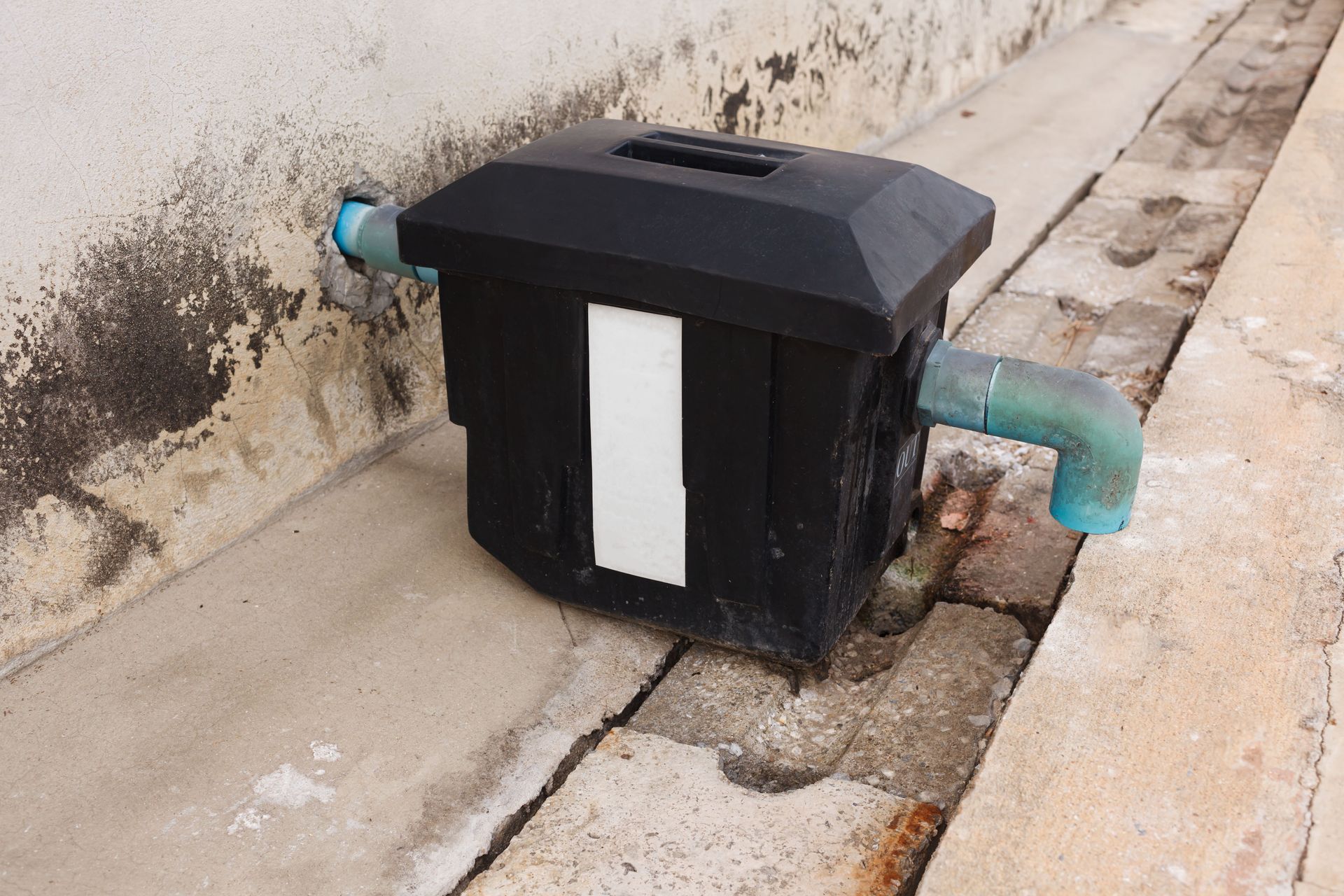
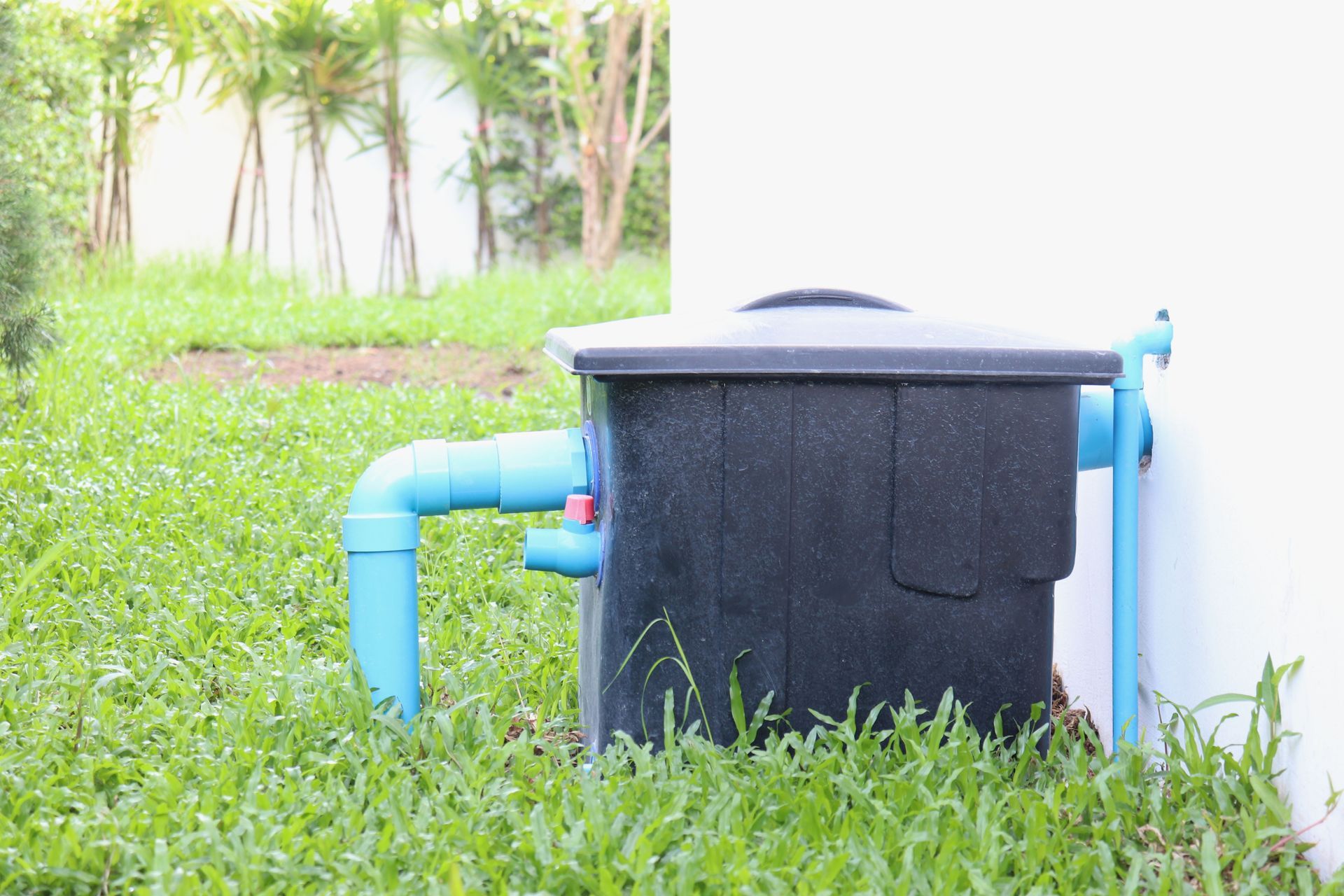
These specialized interceptor units function by capturing oily waste before it can migrate into municipal sewer lines. As drainage flows into the unit, the liquid encounters internal baffles that slow its movement. Because greasy byproducts possess a lower density than water, they naturally float to the surface while heavier food particles settle. This mechanical process allows clear wastewater to exit safely through the discharge pipe. Installing modern restaurant grease traps ensures that grease remains separated, safeguarding kitchen plumbing.
Kitchen operators choose between passive gravity units and automated recovery devices depending on operational volume. Passive units rely purely on gravity and manual clearing, making them ideal for smaller establishments with lower production. Automated models feature motorized components that actively skim grease from the liquid surface, providing consistent maintenance for high-output kitchens. Selecting the proper equipment size and style prevents premature system failures. Correct placement near kitchen sinks further maximizes waste containment efficiency across the entire facility.
Protect the Surrounding Natural Environment
Preventing oily waste from entering the public sewer infrastructure directly minimizes the risk of waterway contamination. When commercial kitchens discharge unmanaged grease, the substances solidify inside mainlines, causing massive obstructions and raw sewage spills. These overflows spill into local streams, harming aquatic life and degrading river ecosystems. Utilizing reliable restaurant grease traps isolates these hazardous materials before they escape, protecting local water quality and nearby habitats. This proactive approach to waste containment transforms busy food service establishments into vital contributors to local ecological health.
Proper waste isolation also prevents structural soil damage and supports a circular economy. When untreated grease leaks into surrounding ground fields, it reduces soil permeability and damages agricultural viability by choking plant roots. Fortunately, intercepted grease can be collected by specialized service providers for recycling. This recovered oil is transformed into clean biofuel or integrated into sustainable compost mixtures. Through diligent containment, dining establishments actively participate in regional environmental conservation and ecological protection.
Maintain High Kitchen Hygiene Standards
Consistent waste management directly influences the internal cleanliness and safety profile of any commercial food preparation space. Abandoned grease inside drain lines decomposes rapidly, creating foul odors that penetrate dining areas and ruin guest experiences. These unpleasant smells signal unsanitary conditions to health inspectors and can permanently damage a business reputation. Implementing effective restaurant grease traps ensures that foul odors are contained, promoting better employee morale and reassuring patrons regarding absolute cleanliness.
Beyond odor management, capturing oily waste removes the food sources that attract dangerous insects and rodents. Pest infestations thrive around poorly maintained drains where grease layers provide breeding grounds for flies. In tandem, thick grease coatings inside plumbing lines create a notable fire hazard if kitchen exhaust systems ignite nearby residues. Employing heavy-duty equipment mitigates these structural hazards, protecting employees from workplace dangers while ensuring compliance with public health standards.
Comply With Municipal Waste Regulations
Municipalities enforce strict legal standards regarding wastewater discharge to protect communal infrastructure from structural blockages. Commercial food establishments must navigate clear legal mandates that dictate the size, installation, and upkeep of their interceptor units. According to Wind River Environmental, these interceptors need thorough clearing approximately every 30 days based on specific municipal rules. Failure to adhere to these local standards can lead to operational suspensions and devastating financial penalties.
Government inspectors perform unannounced reviews of kitchen infrastructure, requiring managers to present precise service logs. Keeping meticulous records proving regular service history protects a business during these official municipal audits. Establishments demonstrating consistent compliance build strong relationships with local utility providers and avoid sudden administrative closures. Conversely, ignoring documentation requirements can void business licenses and result in public citations. Dedicated administrative oversight ensures that maintenance schedules remain fully aligned with complex regional codes.
Analyze the Complete Financial Impacts
Investing in high-quality waste separation infrastructure involves measurable upfront expenses, yet the long-term operational savings remain undeniable. The initial layout covers equipment procurement, plumbing modifications, and professional installation required for regulatory certification. While these upfront costs might seem burdensome, they prevent catastrophic emergency plumbing repairs down the road. A single major sewer backup can force a restaurant to close, causing severe revenue losses. Viewing this equipment as essential insurance helps operators justify capital allocation.
Regular upkeep protocols prevent the accumulation of hardened blockages, lowering overall property maintenance expenditures over time. Many local governments offer attractive tax credits or financial utility rebates to businesses that install advanced eco-friendly restaurant grease traps. Commercial insurance providers also frequently lower liability premiums for facilities that document rigorous fire mitigation and waste management practices. These combined savings directly offset recurring costs associated with professional removal services, stabilizing monthly operational budgets.
Adopt Innovative Waste Separation Designs
Recent technological breakthroughs have transformed traditional interceptor designs, offering unprecedented separation efficiency for commercial operators. These modern restaurant grease traps now utilize advanced internal geometry and composite materials that resist corrosion from highly acidic wastewater. These engineering updates maximize the separation rate, ensuring that even microscopic oil particles are isolated from the outflow. Upgrading to advanced separation systems future-proofs an establishment against increasingly strict wastewater standards, ensuring reliable waste management for decades.
Automation and electronic sensors have further revolutionized how kitchen staff monitor and manage waste accumulation. Smart interceptors feature integrated sensors that track grease levels in real time, sending automated alerts when storage capacity peaks. This data-driven approach removes guesswork from maintenance scheduling, preventing accidental overflows before they occur. Some advanced configurations even sync with centralized kitchen management platforms. Embodying these technological shifts significantly improves operational oversight and enhances overall kitchen efficiency.
Maintaining efficient restaurant grease traps is a fundamental responsibility that impacts environmental preservation, financial stability, and public safety. These critical devices do more than protect internal plumbing; they serve as a cornerstone of sustainable commercial kitchen operations. As environmental regulations evolve and kitchen technologies advance, the necessity for structured grease management programs becomes increasingly clear. Food service operators must view waste containment as an active investment in their business reputation and community well-being.
Navigating the complexities of waste management and restaurant grease traps requires specialized expertise and dependable service partners committed to operational excellence. Relying on professional technicians ensures that your system remains fully compliant with local ordinances while protecting your property from unexpected disruptions. Professional management provides peace of mind, allowing kitchen staff to focus completely on delivering exceptional dining experiences. Contact our dedicated team at Brooks Grease Service today to secure your kitchen infrastructure and establish a flawless compliance record.