July 6, 2026
Managing fats, oils, and grease is a critical responsibility for any commercial kitchen or food production facility today. The rigorous demands of daily food preparation produce vast quantities of thick byproducts that must be handled swiftly. These heavy substances must be captured securely before they enter municipal sewer systems to prevent severe pipeline blockages, expensive repairs, and long-term environmental damage. Historically, facilities relied on traditional manual methods requiring intensive daily upkeep, leading to significant operational downtime and elevated labor costs. Upgrading your internal plumbing infrastructure can significantly improve fluid efficiency, minimize legal compliance risks, and reduce your overall ecological footprint. By exploring how modern technological methods will fundamentally improve grease traps, you can prepare your commercial facility for a sustainable future. Modernizing your approach seamlessly transitions operations into a more streamlined and compliant era.
Understanding Current Challenges With Traditional Systems
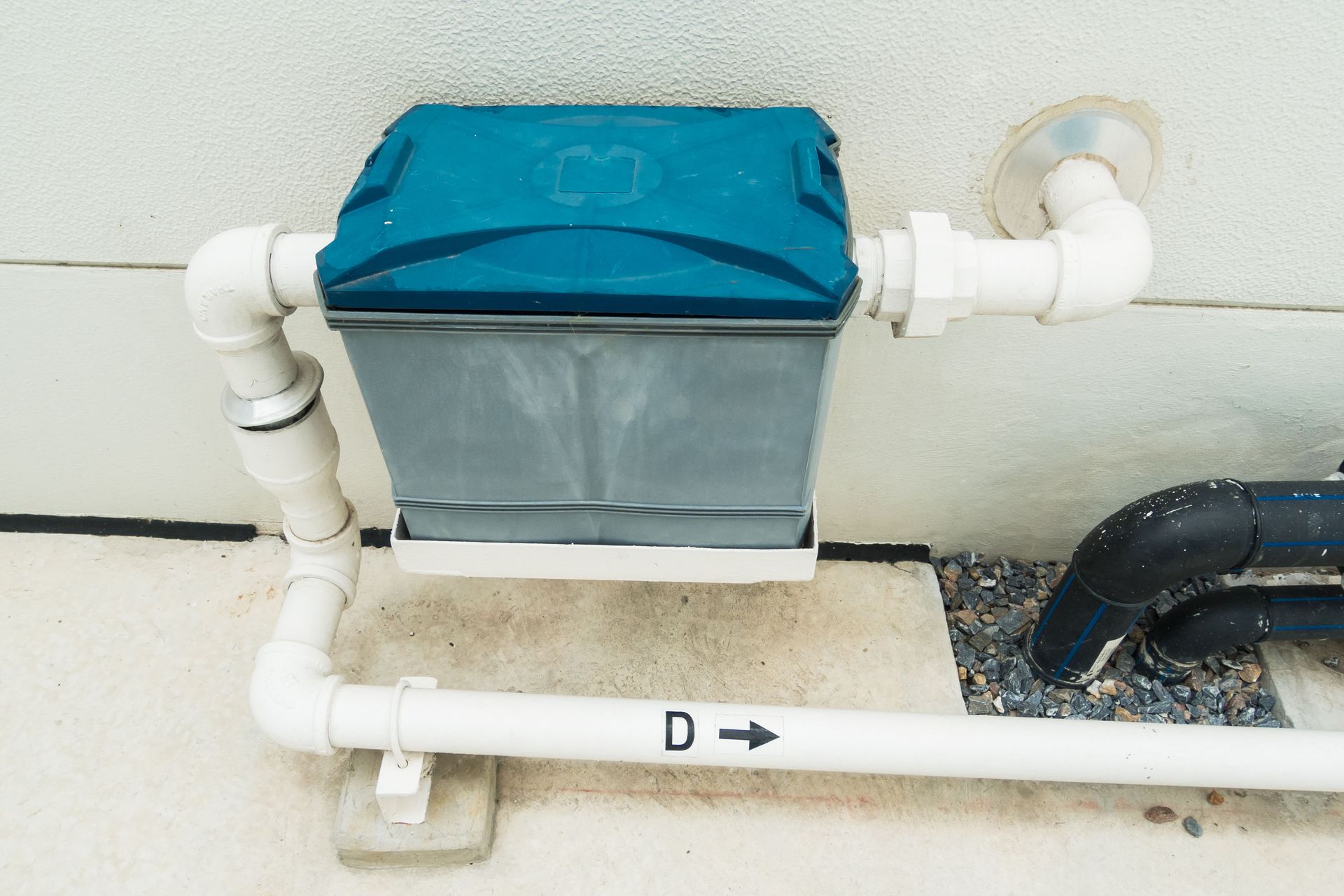
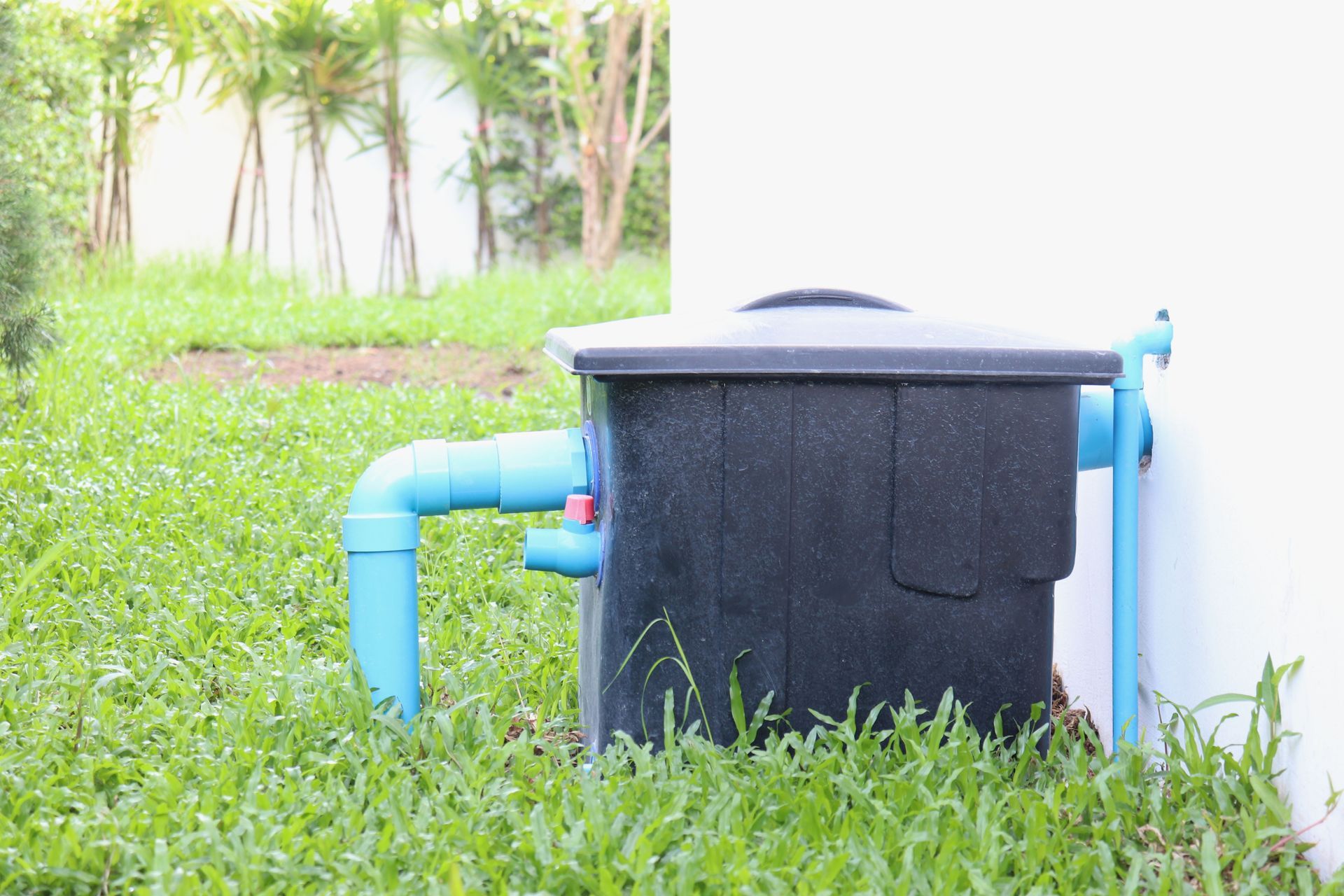
Fats, oils, and grease, commonly known as FOG, present a constant daily challenge for busy food service establishments. Devices designed to capture these viscous substances are fundamental to keeping municipal pipelines flowing. To address these industry hurdles, the nature of business focuses on providing modern solutions - we provide automated grease tanks, commercial grease traps, and restaurant grease removal to help local businesses efficiently manage this inevitable waste stream. Conventional systems often struggle to keep up with high-volume commercial usage. Manual cleaning protocols are incredibly messy, time-consuming, and unfortunately prone to human error - often leaving behind stubborn FOG deposits that harden over time. Furthermore, failing to maintain these units poses severe legal and environmental risks for your growing enterprise. Untreated contaminated wastewater can severely harm local aquatic ecosystems and quickly lead to hefty non-compliance fines. The rapidly growing scale of modern food operations means old-fashioned interceptors cannot handle increased waste loads without frequent manual intervention. To mitigate these specific risks, the culinary industry is shifting toward modernized solutions offering greater fluid capacity and significantly reduced labor requirements.
Exploring the Latest Technologies in Interceptor Design
Smart technologies equipped with the internet represent a monumental leap forward in daily waste management. Integrating connected interior sensors allows for highly accurate, real-time monitoring across multiple commercial facility locations. By leveraging interconnected devices, facility managers gain unprecedented visibility into the precise internal conditions of their critical plumbing infrastructure. This seamless digital connectivity enables proactive managers to dynamically schedule required maintenance based on actual holding capacity rather than a rigid timeline. Automated mobile alerts immediately notify operators when thorough cleaning is required, reducing the daily reliance on manual visual inspections. According to LinkedIn, by 2025, adoption of advanced, sensor-enabled grease traps is expected to accelerate. In addition, innovative self-cleaning mechanisms have introduced unprecedented daily convenience. These robust metal units use high-pressure water jets and rotating mechanical scrapers to automatically clear heavy debris, vastly minimizing operational downtime. Advanced filtration setups also deliberately employ sophisticated multi-layer barriers to securely capture a significantly higher overall percentage of FOG. Finally, cutting-edge innovations in durable manufacturing materials ensure that these modernized automated systems will easily outlast older traditional counterparts.
Utilizing Biological and Enzymatic Waste Treatments
Microorganisms naturally play a highly pivotal role in actively breaking down complex organic waste within commercial holding tanks. Introducing specific laboratory-cultivated strains of resilient bacteria and powerful digestive enzymes offers a completely natural, effective solution to stubborn FOG buildup. These microscopic biological agents actively digest heavy animal fats and thick vegetable oils - efficiently converting them into much simpler, harmless molecules that flow safely through extensive municipal plumbing networks. This continuous organic degradation process reduces the physical solid volume of retained waste and mitigates the incredibly unpleasant airborne odors that frequently plague busy commercial kitchens. Enzyme-based liquid enhancements are particularly popular today because they work tirelessly around the clock without requiring constant manual chemical dosing. Utilizing highly advanced bioremediation processes lowers your commercial facility's daily reliance on potentially dangerous industrial chemical solvents, aligning perfectly with strict global environmental sustainability goals. Because these biological liquid treatments are entirely non-toxic, they remain completely safe for daily use near active food preparation areas. Implementing these remarkable eco-friendly microbial treatments drastically improves the functional mechanical lifespan of modern grease traps.
Automating and Remotely Monitoring Your Facilities
The implementation of connected interior sensors and digital alert networks marks a substantial advancement in facility automation. These high-tech internal sensors monitor fluid volume levels in real time, seamlessly providing crucial data that actively informs smarter preventative maintenance decisions. By setting custom volume threshold alerts, your operators are immediately notified long before collected waste levels ever exceed maximum safe capacity. When these precise digital thresholds are established, your entire cooking facility is comprehensively protected against sudden pipeline backups, foul lingering odors, and preventable operational shutdowns. This proactive tracking technology entirely eliminates the tedious dependency on physical visual tank checks. Remote digital oversight capabilities directly allow your growing business to effortlessly manage multiple dispersed restaurant sites simultaneously from a single centralized computer dashboard. This comprehensive approach reduces the daily need for dedicated onsite personnel, significantly lowering overall operational overhead. Automating the physical fluid extraction process itself successfully represents another massive evolutionary leap in operational efficiency. Automated surface skimmers continuously clear stubborn floating buildup, completely minimizing human error and dramatically increasing the inherent baseline reliability of your vital plumbing hardware.
Integrating Equipment With Broad Management Networks
The successful integration of fluid capture devices with broader municipal waste frameworks hinges heavily on completely seamless connective digital technology. This vital infrastructural integration ensures your isolated kitchen hardware functions perfectly as a contributing part of a larger cohesive ecological system. Connective digital tracking software effortlessly synchronizes your daily fluid extraction operations with regional city waste collection, safe industrial chemical disposal, and advanced commercial material recycling processes. Purposefully coordinating your ongoing preventative facility maintenance with dedicated regional organic recycling services massively enhances your long-term environmental outcomes. It practically guarantees that securely recovered biological waste is properly processed and cleanly converted into incredibly useful commercial byproducts like sustainable green agricultural biofuels. This cooperative regional effort directly allows food service businesses to confidently meet exceedingly strict regulatory requirements while tapping into unique emerging financial opportunities. Innovative energy recovery processes can successfully transform collected restaurant refuse into highly usable combustible biogas. Ensuring absolute total environmental compliance frequently requires adopting these highly integrated grease traps, successfully keeping your rapidly growing enterprise completely free from heavy legal municipal penalties.
Anticipating Future Possibilities and Industry Innovations
Current emerging culinary market trends reflect a massive global shift toward much more sustainable, efficient, and technologically synchronized fluid management solutions. Ongoing structural engineering innovations intensely focus on enhancing mechanical hardware functionality, daily ease of use, and absolute compliance with tightening environmental regulations. Sweeping technological advances in robotic facility automation and wireless digital connectivity are driving the inevitable forward evolution of previously stagnant plumbing infrastructure. The immediate technological horizon holds numerous exciting mechanical breakthroughs that will revolutionize how commercial kitchens handle their daily volumes of organic cooking refuse. Artificial intelligence is poised to play a foundational role in the fast-approaching future of this essential protective hardware. Sophisticated AI algorithms can instantaneously analyze maintenance datasets, optimize daily operational processes, and reliably predict urgent upcoming mechanical needs with staggering mathematical accuracy. For any of these novel methodologies to be effective, widespread hospitality industry adoption is absolutely essential. As newly developed advanced hardware continues proving its immense financial worth, savvy business owners will steadily increase their technological capital investments.
The rapid implementation of modernized automated methods proudly holds the clear promise of yielding substantial financial benefits for bustling commercial industries and the fragile natural environment alike. Through the strategic adoption of smart internet connectivity, biological enzyme liquid treatments, and seamless robotic automation, commercial grease traps can consistently achieve high operational efficiency. These vital technological hardware advancements are absolutely essential to effectively meet growing culinary demands while simultaneously keeping routine daily operating costs incredibly low. As widespread industry adoption rapidly accelerates, the culinary sector can confidently anticipate a much cleaner future where organic waste management is highly sustainable and environmentally sound. We actively encourage local food service operators to confidently embrace these exciting new digital tools to safeguard their delicate plumbing systems. At Brooks Grease Service, we stand ready to quickly upgrade your infrastructure and expertly protect your kitchen environment. Contact us today to ensure your grease traps operate flawlessly year-round!