April 6, 2026
Selecting the right partner for used cooking oil recycling is an important decision for any business that wants to operate efficiently while maintaining responsible environmental practices. From restaurants to large-scale food production facilities, managing used oil properly is not just about compliance—it is about finding a reliable company that aligns with your operational needs and long-term goals. With many providers available, understanding how to evaluate a used cooking oil recycling partner ensures you choose a service that delivers consistency, value, and sustainability.
Assessing Your Business’s Recycling Needs
Before choosing a provider, it is essential to evaluate how much oil your business produces and how that impacts your daily operations. Every business generates different volumes, and selecting a used cooking oil recycling partner that can handle your output without disruption is key. A smaller establishment may only require occasional pickups, while a high-volume operation will need a more structured and frequent service plan. Understanding your needs upfront allows you to narrow down providers that are truly equipped to support your workflow.
In addition to current output, consider how your needs may evolve. Growth, seasonal demand, or menu changes can all influence how much used oil your business generates. A flexible used cooking oil recycling partner should be able to scale their services as your business expands. This forward-thinking approach prevents the need to switch providers later and ensures long-term efficiency in your used cooking oil recycling strategy.
Determining the Right Collection Frequency
The timing of oil pickups plays a significant role in maintaining cleanliness, safety, and efficiency within your operation. If oil is not collected often enough, it can lead to overflow, unpleasant odors, and potential safety hazards. Choosing a used cooking oil recycling provider that offers customizable scheduling ensures your space remains clean and compliant with health standards.
Different businesses require different pickup schedules, and a reliable partner will work with you to establish the right cadence. Whether you need weekly, biweekly, or monthly service, flexibility is crucial. A dependable used cooking oil recycling company will also adjust collection frequency during peak seasons or unexpected increases in demand, helping you maintain smooth operations without interruptions.
Evaluating Storage and Handling Solutions
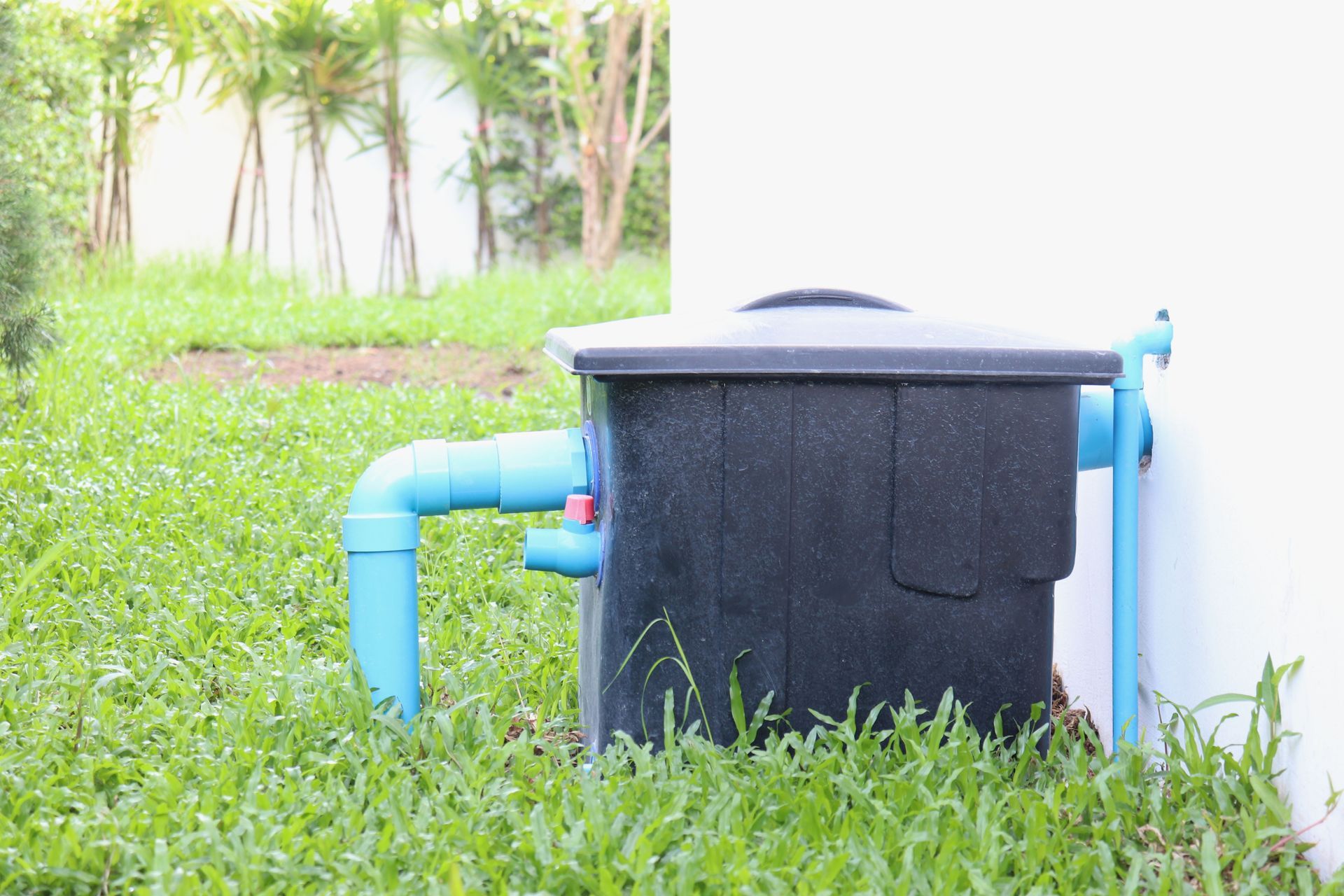
Proper storage and handling are essential components of an effective used cooking oil recycling program. The right partner will not only collect your oil but also provide guidance or equipment to store it safely. Depending on your operation, this could include sealed containers, outdoor tanks, or automated systems designed to streamline disposal.
Working with a knowledgeable used cooking oil recycling company ensures that your storage setup minimizes risk and maximizes efficiency. They should also help you implement best practices for handling oil to prevent spills, contamination, or workplace hazards. By prioritizing safety and organization, your business can maintain compliance while improving overall workflow.
Considering Location and Logistics
The location of your recycling partner can have a direct impact on service quality and reliability. Choosing a provider that operates within your region often results in faster response times and more consistent service. A local used cooking oil recycling partner is typically more familiar with regional regulations, which helps ensure your business remains compliant at all times.
Logistics also play a critical role in determining how smoothly the recycling process runs. A well-positioned used cooking oil recycling company can reduce transportation delays and offer more efficient routes for collection. This not only improves service reliability but can also contribute to lower operational costs and a reduced environmental footprint, aligning with your sustainability goals.
Reviewing Compliance and Industry Standards
Regulatory compliance is a non-negotiable factor when selecting a used cooking oil recycling partner. Improper disposal can lead to fines, environmental damage, and reputational risks for your business. A qualified provider should have a thorough understanding of local, state, and federal regulations and be able to demonstrate their adherence to these standards.
It is also important to ask about certifications and documentation that confirm proper disposal and recycling practices. A trustworthy used cooking oil recycling company will provide records of collection and processing, giving you peace of mind that your waste is being handled responsibly. This level of transparency is essential for maintaining both compliance and accountability.
Exploring Sustainability and Industry Trends
Sustainability is becoming increasingly important in today’s business landscape, and the recycling of used cooking oil plays a significant role in reducing waste and supporting renewable energy initiatives. Many recycling companies convert used oil into biodiesel, contributing to cleaner fuel alternatives. According to Fortune Business Insights, the used cooking oil market in the U.S. is projected to reach over USD 5 billion by 2032, led by growth in biodiesel output, renewable fuel mandates, and local collection initiatives. This growth highlights the importance of partnering with a dependable company that stays ahead of industry trends.
A forward-thinking used cooking oil recycling partner will actively participate in sustainable practices and offer solutions that align with your environmental goals. Whether it is reducing carbon emissions or supporting circular economy initiatives, choosing the right partner allows your business to contribute to a larger movement toward sustainability. This not only benefits the environment but also enhances your brand’s reputation.
Analyzing Costs and Service Value
Cost is always a factor when choosing a service provider, but it should not be the only consideration. A low-cost option may not always provide the reliability or quality your business requires. Instead, focus on overall value by evaluating what is included in the service. A comprehensive used cooking oil recycling partner will offer transparent pricing, clear contracts, and no hidden fees.
In some cases, recycling providers may even offer rebates or compensation for collected oil, depending on market conditions. Understanding these financial aspects can help you maximize the benefits of your used cooking oil recycling program. By balancing cost with service quality, you can ensure you are making a smart and sustainable investment for your business.
Building a Long-Term Partnership
Choosing a used cooking oil recycling provider is not just a one-time decision—it is the beginning of an ongoing partnership. A strong relationship with your provider ensures consistent service and open communication over time. Look for a company that values customer support and is willing to adapt to your changing needs.
Long-term partnerships often lead to better service, improved efficiency, and a deeper understanding of your business operations. A reliable used cooking oil recycling partner will regularly check in, provide updates, and suggest improvements to your process. This collaborative approach helps create a seamless recycling system that continues to evolve alongside your business.
Finding the best fit for your business when it comes to used cooking oil recycling requires careful consideration of multiple factors. From understanding your specific needs and evaluating service quality, compliance, and sustainability, each step plays a role in ensuring you choose the right partner. By taking the time to ask the right questions and compare options, you can confidently select a provider that supports both your operational and environmental goals.
Ultimately, the right used cooking oil recycling partner will do more than just collect waste—they will contribute to the efficiency, safety, and sustainability of your business. With a dependable partner in place, you can focus on your core operations while knowing your recycling needs are handled responsibly. This thoughtful approach leads to long-term success and a positive impact on both your business and the environment. If you need assistance with used cooking oil recycling services in the Midwest United States, contact the professionals at Brooks Grease Service today.