May 6, 2026
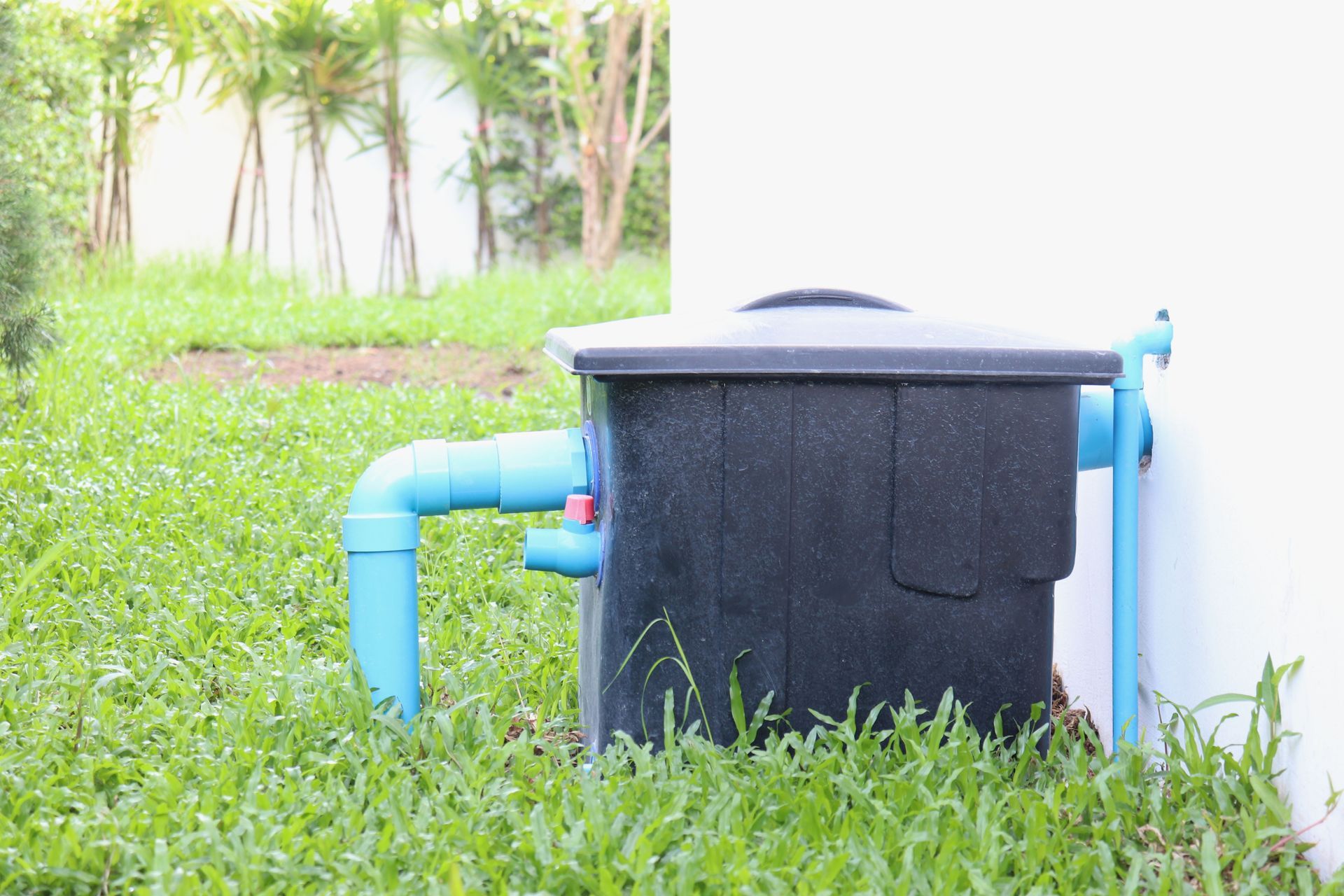
Grease traps play a crucial role in keeping commercial kitchens running smoothly by capturing fats, oils, and grease before they enter the plumbing system. Without regular maintenance, these systems can quickly become clogged, leading to unpleasant odors, slow drainage, and even costly plumbing emergencies. Many restaurant owners and facility managers understand the importance of upkeep, but fewer are familiar with what actually happens during a professional service visit. The process is more detailed than simply “emptying a tank,” and it involves inspection, cleaning, and preventative maintenance steps designed to extend the life of the system. Understanding how the process works can help businesses appreciate the value of routine care and make informed decisions about scheduling ongoing maintenance.
Inspecting and Assessing the System
The first step in professional maintenance involves a thorough inspection of the grease trap and surrounding plumbing. Technicians begin by checking the condition of the inlet and outlet pipes, ensuring there are no immediate blockages or signs of structural damage. During this stage, grease trap services often include measuring the current grease and solids levels inside the trap to determine how full it is and how urgently cleaning is needed. This initial evaluation helps technicians tailor their approach to the system’s condition.
A visual inspection also helps identify potential issues such as cracks, leaks, or improper installation. If any problems are detected, they are documented so the business owner can make informed repair decisions later. This step is essential because it sets the foundation for an efficient and safe cleaning process. Without a proper assessment, hidden issues could go unnoticed and worsen over time. Technicians may also check nearby drainage lines to ensure buildup hasn’t already started spreading beyond the trap itself.
Removing Grease, Water, and Solids
Once the inspection is complete, technicians begin the removal process. Specialized vacuum trucks are used to safely extract the accumulated grease, wastewater, and solid waste from the trap. This is one of the most critical stages of grease trap services, as it ensures the system is fully cleared and ready for proper function again.
The contents are carefully suctioned to avoid spills or environmental contamination. Technicians also ensure that hardened grease layers are broken up so that nothing remains stuck to the interior walls. This step can take time depending on the size of the trap and how long it has been since the last cleaning. In many cases, multiple passes are required to fully remove compacted material that has settled over time.
Odor control is also a major consideration during this stage, especially in indoor or densely packed commercial areas. Proper sealing and extraction techniques help minimize disruption to staff and customers. Once the tank is fully emptied, technicians verify that no standing residue remains before moving to the next step. In some cases, odor-neutralizing agents may also be applied to reduce lingering smells in the surrounding workspace. This helps ensure the kitchen can continue operating comfortably without prolonged interruptions.
Scraping and Deep Cleaning the Interior
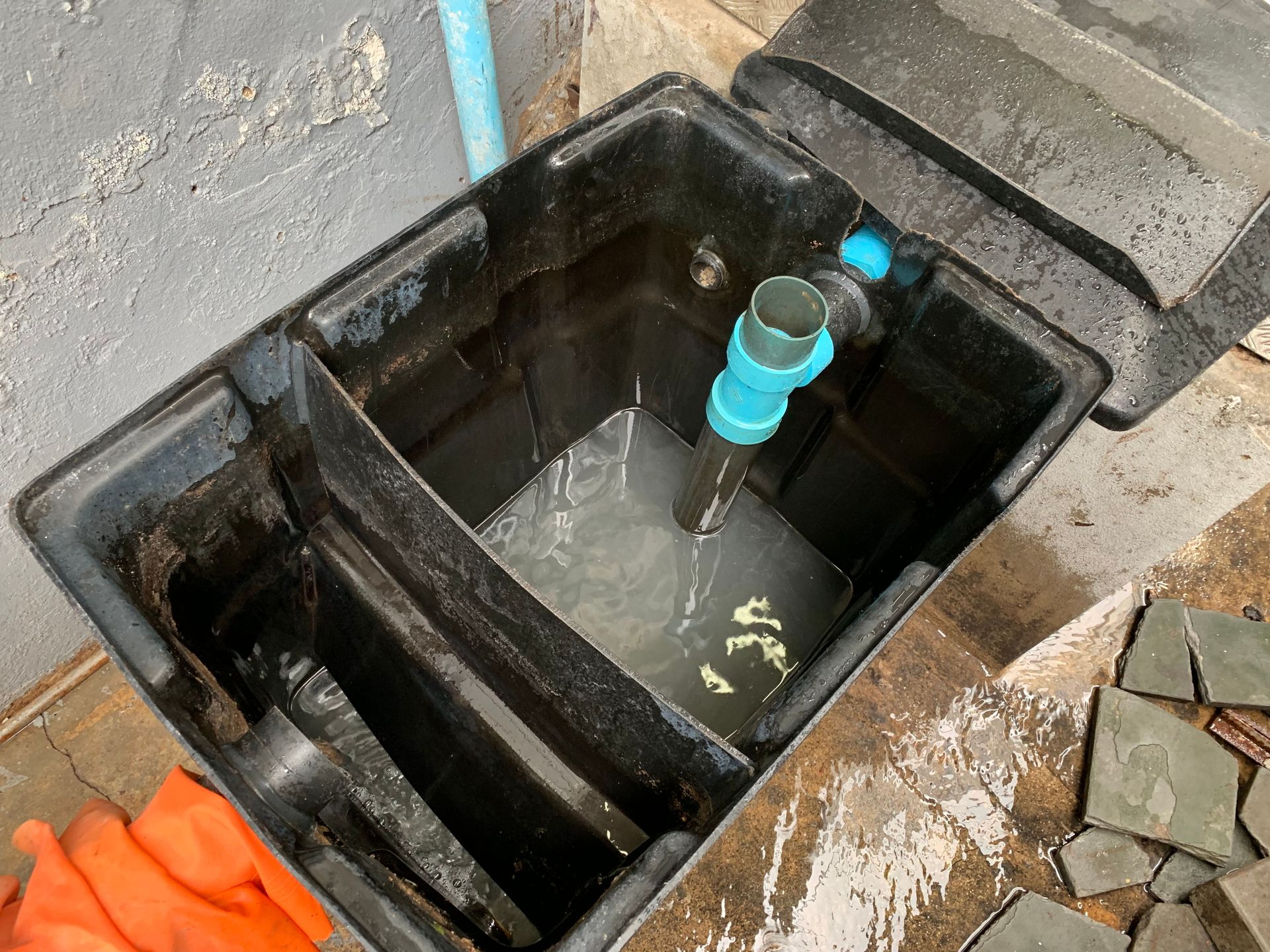
After the bulk of the waste is removed, technicians move on to the more detailed cleaning phase. This involves scraping down the interior walls, baffles, and compartments of the grease trap to remove any remaining buildup. Even after pumping, thick layers of hardened grease can cling to surfaces and reduce the system’s efficiency.
This stage of grease trap services is essential because leftover residue can quickly accumulate again and cause recurring blockages. Technicians often use specialized tools and high-pressure water rinses to ensure every surface is thoroughly cleaned. The goal is to restore the trap to a near-original condition so it can operate at full efficiency.
In some cases, eco-friendly degreasers are applied to help break down stubborn buildup without damaging the system. Technicians also pay close attention to the inlet and outlet baffles, which are common areas where buildup starts forming again. A final rinse ensures all loosened debris is fully removed before reassembly begins.
Reassembling and Testing System Functionality
Once the interior cleaning is complete, the grease trap is carefully reassembled. Technicians ensure that all components, including baffles, lids, and seals, are properly positioned and secure. This step is critical because even a small misalignment can affect performance and lead to future issues.
At this stage, grease trap services also include functional testing. Water is run through the system to confirm that flow rates are normal and that the trap is operating correctly. This test ensures that wastewater is being properly separated and that no immediate blockages or leaks are present.
Technicians may also check for slow drainage points in connected fixtures such as sinks or dishwashers. If anything appears off, adjustments are made immediately to avoid future service interruptions. Once everything is confirmed to be operating properly, the system is deemed ready for normal use again.
Providing Maintenance Insights and Preventative Care
Beyond the physical cleaning process, technicians often provide valuable maintenance insights to help extend the life of the system. Regular upkeep is one of the most effective ways to avoid costly repairs and emergency service calls. For example, small adjustments in kitchen practices—such as scraping plates before washing or using sink strainers—can significantly reduce grease buildup.
Grease trap services in this stage often include reviewing cleaning schedules and recommending ideal service intervals based on kitchen volume and usage. High-output restaurants may require more frequent maintenance, while smaller operations may need less frequent visits. Technicians also explain how enzyme treatments or bacterial additives can support ongoing breakdown of minor grease buildup between cleanings.
Proper maintenance not only improves system performance but also reduces unpleasant odors that can develop in busy kitchen environments. When grease traps are neglected, even minor buildup can quickly escalate into major plumbing issues that disrupt operations. Regular service also helps prevent unexpected downtime, which can be especially costly during peak business hours. Over time, consistent care can significantly extend the lifespan of the entire system and reduce the need for emergency repairs. According to The Restaurant Warehouse, a new grease trap typically lasts five to ten years, but with proper care, it can last even longer.
Ensuring Compliance, Documentation, and Final Review
The final stage of professional cleaning involves documentation and compliance reporting. Many municipalities require businesses to maintain records of grease trap maintenance, especially in food service industries. Technicians provide detailed reports outlining what was done during the visit, including waste volume removed, system condition, and any recommendations for future care.
This part of grease trap services ensures that businesses remain compliant with local health and environmental regulations. Proper documentation can also be useful during inspections or audits, demonstrating that the system is being properly maintained.
A final walkthrough with the client is often conducted to review the condition of the system and confirm satisfaction with the service. This step helps ensure transparency and gives business owners peace of mind knowing their system is functioning as intended. Technicians may also point out any areas that should be monitored between service visits to help prevent future issues. This gives staff a clearer understanding of how to maintain proper system performance until the next scheduled cleaning.
Professional grease trap cleaning is a comprehensive process that goes far beyond simple waste removal. From initial inspection to deep cleaning, reassembly, and compliance reporting, each step plays a critical role in keeping commercial kitchens running safely and efficiently. Regular maintenance not only prevents costly plumbing issues but also extends the lifespan of the system and ensures regulatory compliance. For dependable maintenance and expert care, Brooks Grease Service provides reliable solutions designed to keep your system operating at its best year-round.