March 6, 2026
Grease management is a critical component in maintaining the hygiene standards required in the food service industry. As a byproduct of cooking and food preparation, grease can lead to significant hazards when improperly managed without commercial grease traps. From operational disruptions to severe penalties, poor grease management poses various challenges to restaurants. In an industry where reputation is crucial, maintaining proper hygiene and compliance with health codes is mandatory for business success. This article explores the importance of effective grease management and the role it plays in preventing health code violations and other obstacles for businesses in food service.
Understanding Health Codes and Their Importance
Definition and Purpose of Health Codes
Regulatory health codes are designed to maintain the safety and sanitation of commercial establishments, particularly in the food industry. They ensure that businesses adhere to standards that prevent foodborne illnesses and other health hazards. Health codes typically cover areas such as food handling, storage, and waste management, with specific rules related to the cleanliness of facilities and equipment. The purpose of these codes is to protect public health by minimizing the risk associated with consuming contaminated food. Compliance with health codes is essential for businesses to operate, and failure to comply can result in severe consequences.
Common Types of Health Code Violations
Health code violations occur when establishments fail to adhere to prescribed safety and sanitation standards. Common violations include improper food storage, inadequate temperature control, cross-contamination, and insufficient facility cleanliness. In the context of grease management, health code violations often stem from the buildup of grease in kitchen areas, leading to unclean surfaces and equipment. Improper disposal of grease and cooking oils can also result in environmental concerns and penalties for the establishment. Understanding these common violations is crucial for businesses to implement effective preventive measures and avoid negative outcomes.
The Role of Health Inspection
Health inspectors are responsible for enforcing health codes and ensuring that businesses comply with regulations. They conduct routine inspections, assess the cleanliness and safety of facilities, and provide guidance on improving hygiene standards. Inspectors have the authority to issue penalties for violations, including fines and temporary closure of establishments. Their role is essential in maintaining public health and ensuring that business operations do not compromise consumer safety. Establishments are advised to maintain open communication with inspectors to ensure compliance and address potential violations proactively.
Importance of Compliance for Businesses
In the food service industry, compliance with health codes is non-negotiable. Adhering to these standards ensures customer safety and enhances trust between consumers and establishments. Compliance is also a legal obligation, and failure to adhere can lead to significant operational disruptions and financial penalties. Furthermore, businesses that prioritize compliance often see benefits in customer retention and operational efficiency. Proper adherence to health codes not only protects the public but also secures the future of the business, ensuring long-term success.
Prioritizing Proper Grease Management in Food Service
Common Sources of Grease in Restaurants
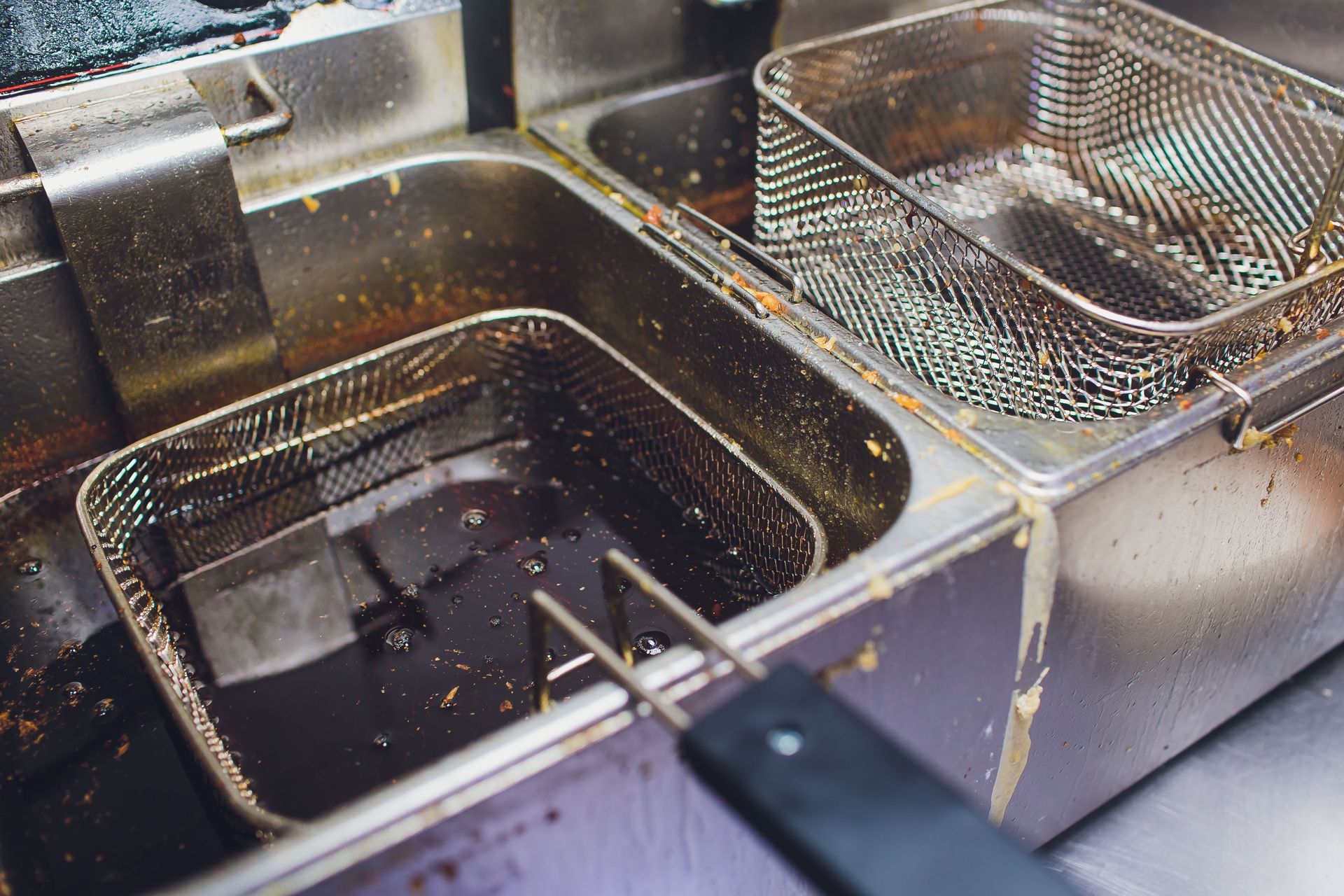
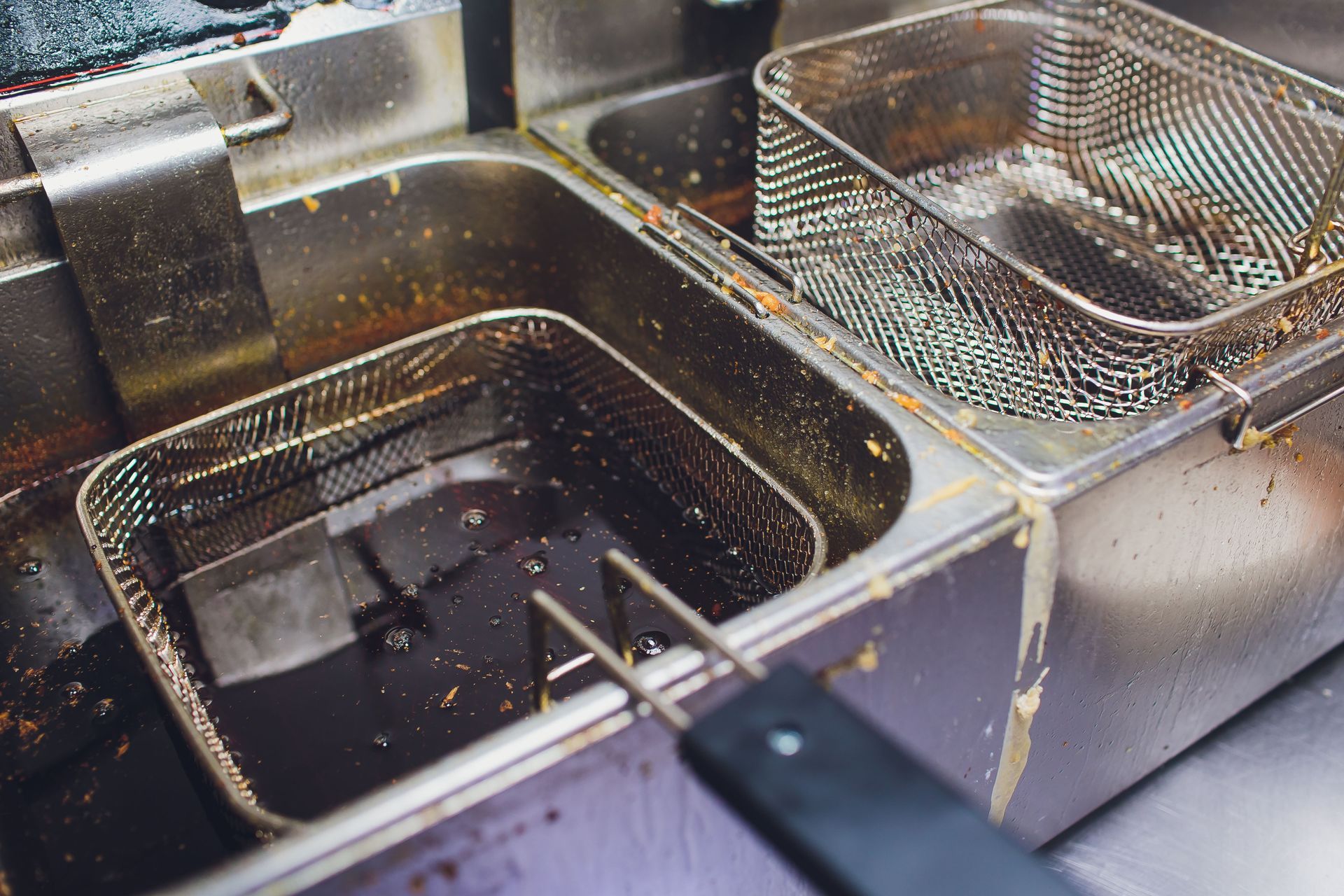
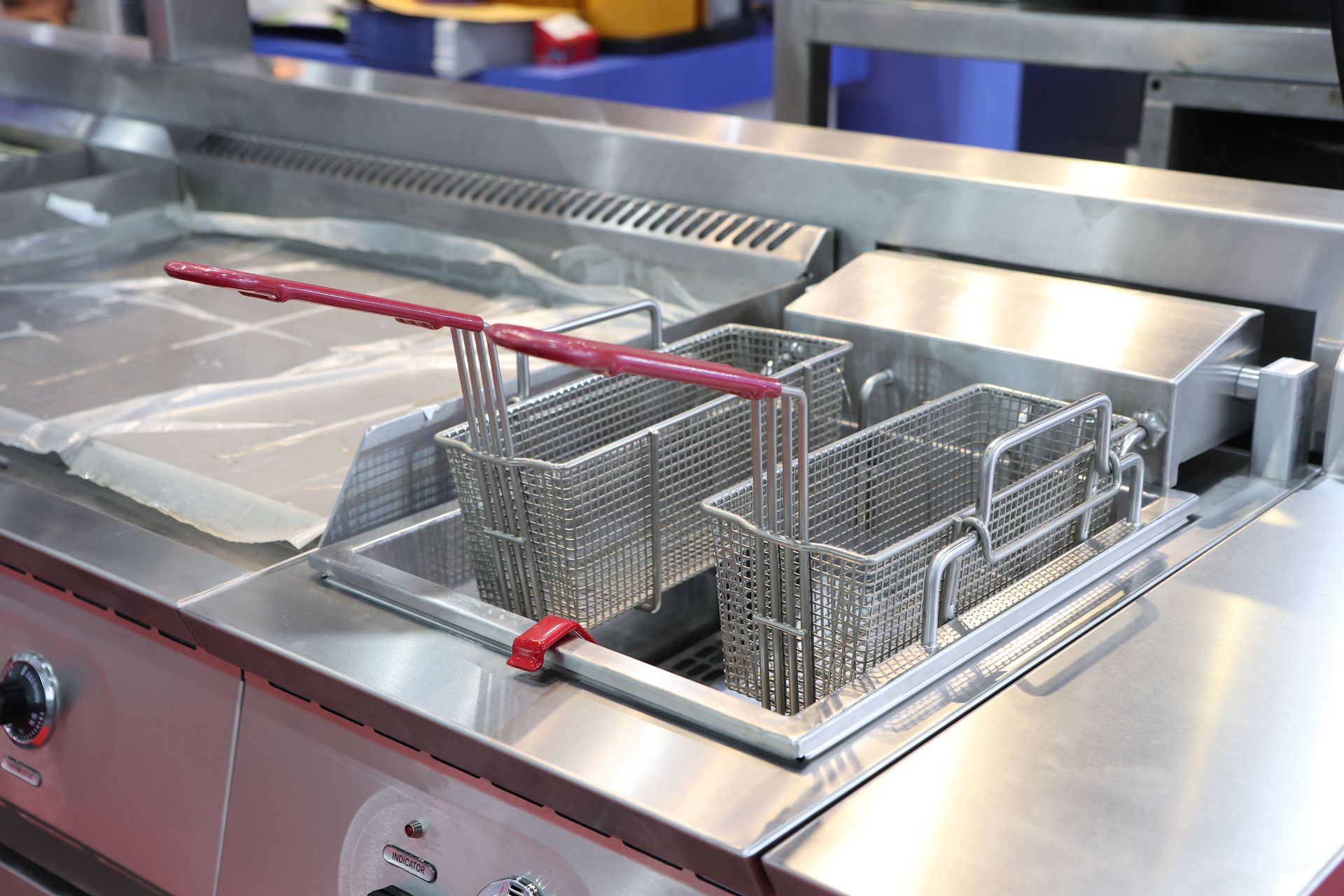
Grease is a common byproduct in restaurants, originating from various sources, including frying, grilling, and baking. Cooking processes such as deep frying generate significant amounts of grease, requiring proper management systems to prevent accumulation. Accumulated grease poses risks such as attracting pests and creating hazardous working conditions. Additionally, improper disposal of grease can lead to environmental contamination and plumbing issues. Restaurants must implement effective grease management strategies to reduce these risks and maintain a safe, clean kitchen environment.
Environmental Impact of Grease Waste
Residual waste from grease poses significant environmental challenges, particularly when disposed of improperly. When grease enters the sewage system, it can lead to blockages and overflows, resulting in environmental contamination and costly repairs. Furthermore, the degradation of grease in natural environments produces harmful byproducts, affecting aquatic ecosystems. Regulatory standards require businesses to manage grease waste responsibly, minimizing environmental impact and adhering to local disposal guidelines. Sustainable practices in grease management can reduce environmental footprints and promote ecological consciousness.
Health Risks Associated With Grease Buildup
The accumulation of grease in kitchen areas presents significant health risks, contributing to unsanitary conditions and harmful health code violations. Grease buildup attracts pests such as insects and rodents, which are health hazards and potential carriers of disease. Additionally, unclean surfaces and equipment contribute to the risk of cross-contamination, elevating the likelihood of foodborne illnesses among consumers. Regular cleaning and effective grease management with commercial grease traps are essential in mitigating these risks and ensuring compliance with safety standards. Prioritizing health through proactive grease management helps businesses maintain a safe, hygienic environment.
Regulatory Standards for Grease Management
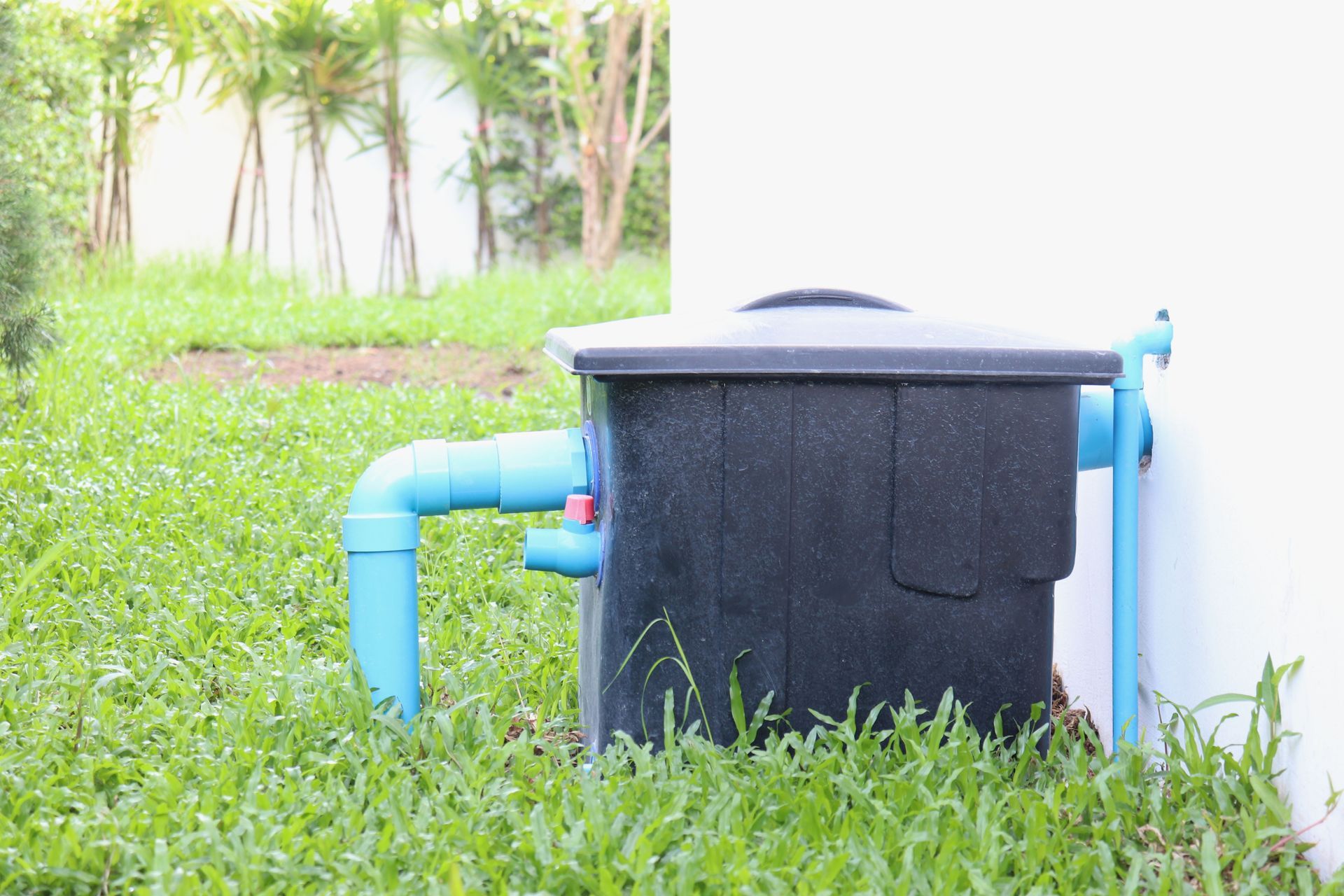
Regulatory standards mandate specific practices for managing grease to prevent health and environmental hazards. Guidelines typically include the installation of commercial grease traps and interceptors, regular maintenance, and proper disposal. According to Today's Homeowner, cleaning commercial grease traps every three months is sufficient, but they should never be more than 25% full to ensure effectiveness. Compliance with these standards is vital for businesses to avoid legal penalties and uphold safety standards in the community. Utilizing innovative technologies and practices can enhance compliance efforts and streamline grease management processes.
Avoiding Poor Grease Management and Its Impacts
Causes of Poor Grease Management
Poor grease management is often the result of inadequate systems and protocols within a restaurant. Lack of regular cleaning, failure to maintain equipment, and improper waste disposal contribute to grease accumulation and hazards. Additionally, insufficient staff training on the importance of grease management can exacerbate these issues, leading to non-compliance with health codes. To address these challenges, establishments must identify the root causes of poor management and implement targeted interventions. Effective management strategies are crucial for minimizing risks and ensuring operational efficiency.
Impact on Kitchen Equipment and Functionality
Accumulated grease has detrimental effects on kitchen equipment, leading to functional disruptions and costly repairs. Grease buildup in ventilation systems, fryers, and other equipment increases the risk of fires and reduces the lifespan of machinery. Moreover, clogged commercial grease traps impair water flow and can cause plumbing issues if not addressed promptly. Proper maintenance and regular cleaning schedules are essential to prevent these costly damages and ensure equipment operates efficiently. Investing in quality grease management systems can significantly reduce repair costs and improve kitchen functionality.
Effects on Restaurant Hygiene and Cleanliness
Poor grease management directly affects the overall hygiene and cleanliness standards in a restaurant. The presence of excessive grease contributes to unsanitary kitchen conditions, compromising food safety and increasing the risk of violations. Unclean surfaces create an environment conducive to bacterial growth, which can result in foodborne illnesses and health hazards. In contrast, effective grease management using commercial grease traps ensures a clean, safe kitchen, promoting customer trust and satisfaction. Maintaining high hygiene standards is essential for establishing a positive reputation and encouraging repeat business.
Violations Exacerbated by Poor Grease Management
Health code violations related to grease accumulation are prevalent in the food service industry. These violations typically involve inadequate cleaning of kitchen equipment, improper grease disposal, and non-compliance with recommended maintenance practices. For example, blockages caused by accumulated grease in plumbing systems can result in severe violations and penalties. Health inspectors often identify these issues during routine inspections, emphasizing the importance of proactive grease management. Avoiding these common violations requires adherence to regulatory standards and investment in proper grease management protocols.
Grease management is a pivotal aspect of ensuring compliance with health codes and maintaining the integrity of food service operations. Effective management strategies prevent health code violations, reduce operational disruptions, and contribute to the overall success of businesses. The benefits of proper grease management extend beyond compliance, offering improved customer satisfaction, operational efficiency, and competitive advantage. By prioritizing hygiene and compliance, businesses safeguard their reputation and achieve long-term sustainability in the industry. If you're looking to improve your grease management with high-quality commercial grease traps, contact Brooks Grease Service today!