February 18, 2026
A pivotal yet often overlooked component in the restaurant industry is the efficient management of grease, which emanates from various cooking processes. Grease trap services, therefore, emerge as indispensable solutions, integral for not only environmental reasons but also for ensuring the long-term operational health of restaurants. The necessity arises from the indiscriminate accumulation of grease which, if unmanaged, can lead to a plethora of issues. Setting the stage for a more detailed exploration, this article delves into the multifaceted importance of grease trap services and why every restaurant must prioritize them.
Understanding the Function of Grease Traps
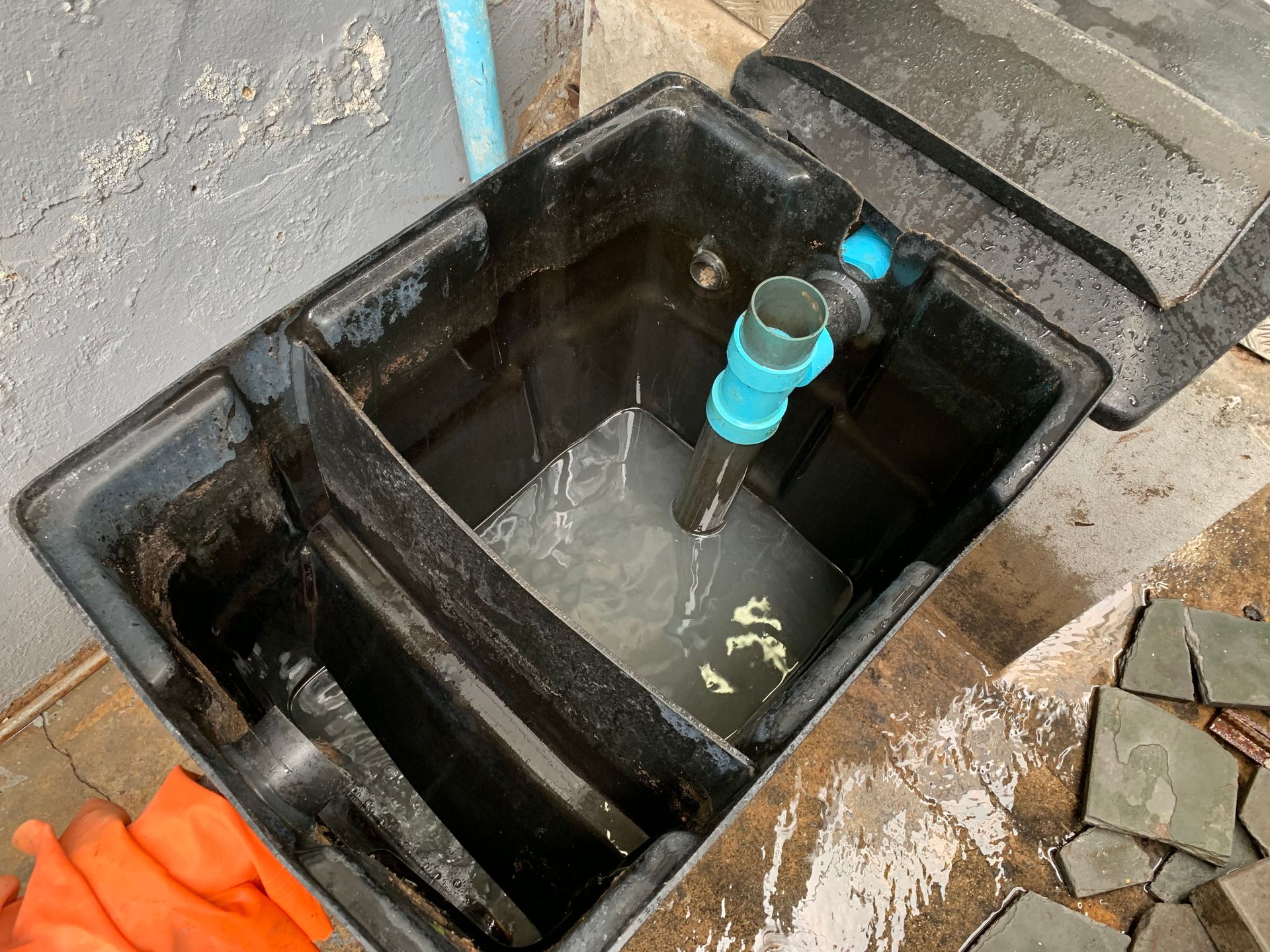
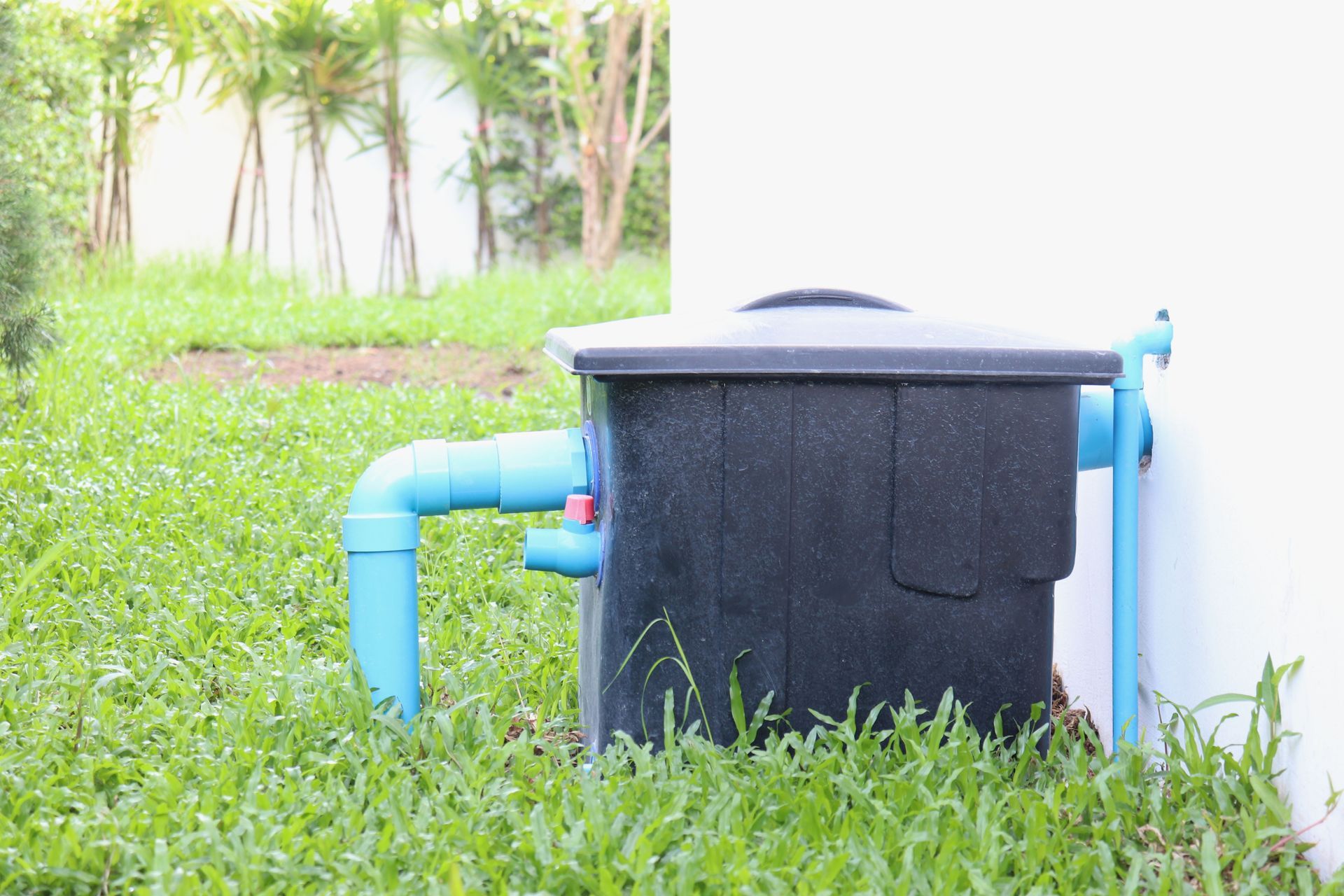
Grease traps, also known as grease interceptors, are crucial components in the plumbing systems of restaurants. Their primary function is to capture and separate fats, oils, and grease (commonly referred to as FOG) before they enter the sewer line. By collecting grease in a trap, these interceptors help in preventing blockages and sewer back-ups, which can cause significant plumbing issues. In the absence of functional grease traps, businesses run the risk of incurring costly repairs and facing severe sanitation problems. Consequently, understanding the role of grease traps is paramount for any establishment that engages in heavy cooking activities.
Grease traps operate on a simple yet effective principle of separation and cooling. Wastewater containing FOG flows from the kitchen into the trap where it is slowed down, allowing the grease to cool and separate from the water. As the cool water continues its journey through the drainage system, the solidified grease remains in the trap. This mechanism helps in significantly reducing the amount of FOG entering the sewage lines.
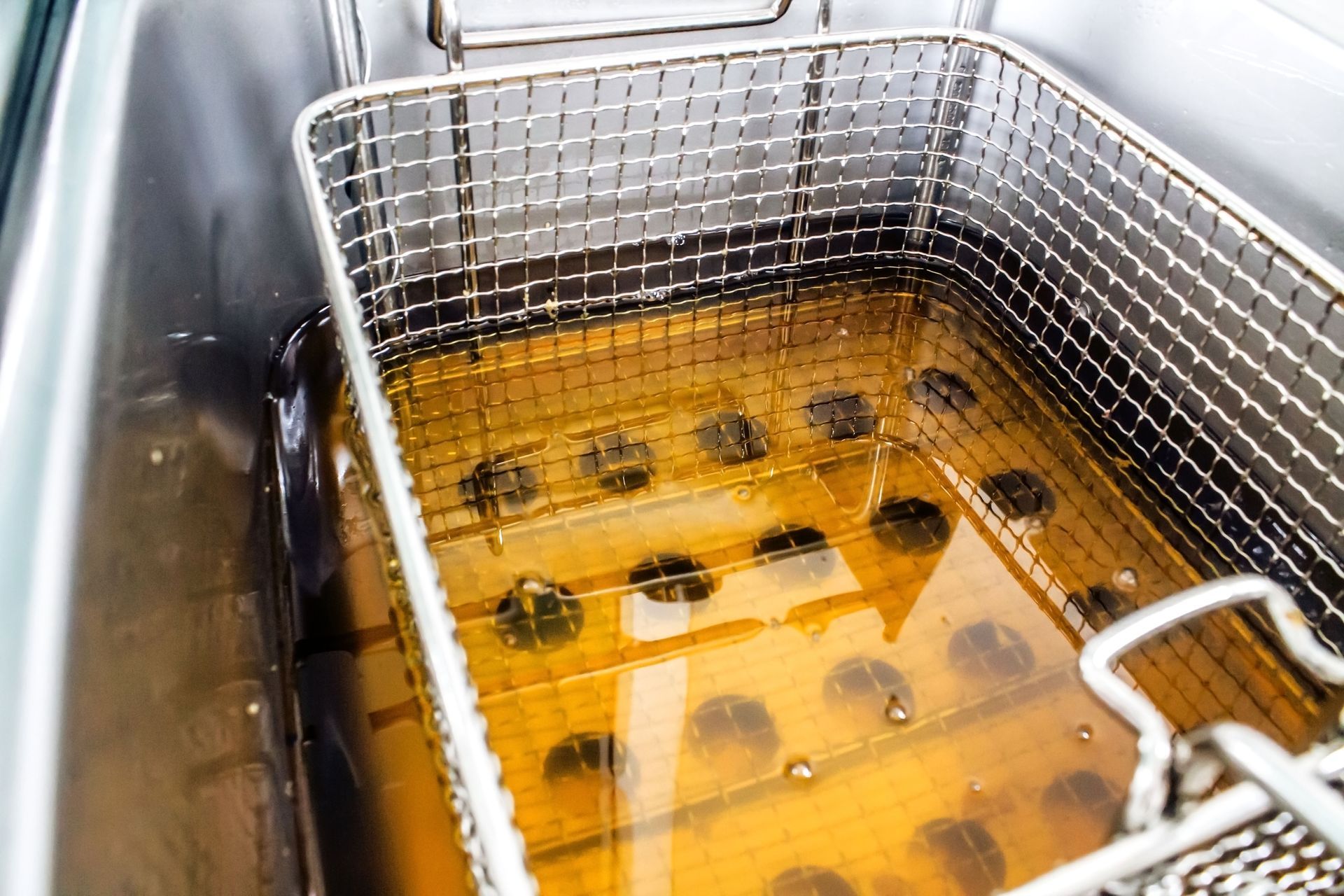
Understanding the science behind grease accumulation involves recognizing the various forms of grease produced in kitchens and how they interact with plumbing systems. Culinary activities produce substantial amounts of FOG, which can solidify in pipes, leading to blockages. According to Clorox Pro, restaurants produce between 800 to 17,000 pounds of grease waste each year, demonstrating the significant volume that requires management. The science behind a grease trap's function is in its ability to allow grease to cool and solidify, while water calmly flows through, reducing potential blockages.
Recognizing Environmental and Health Benefits
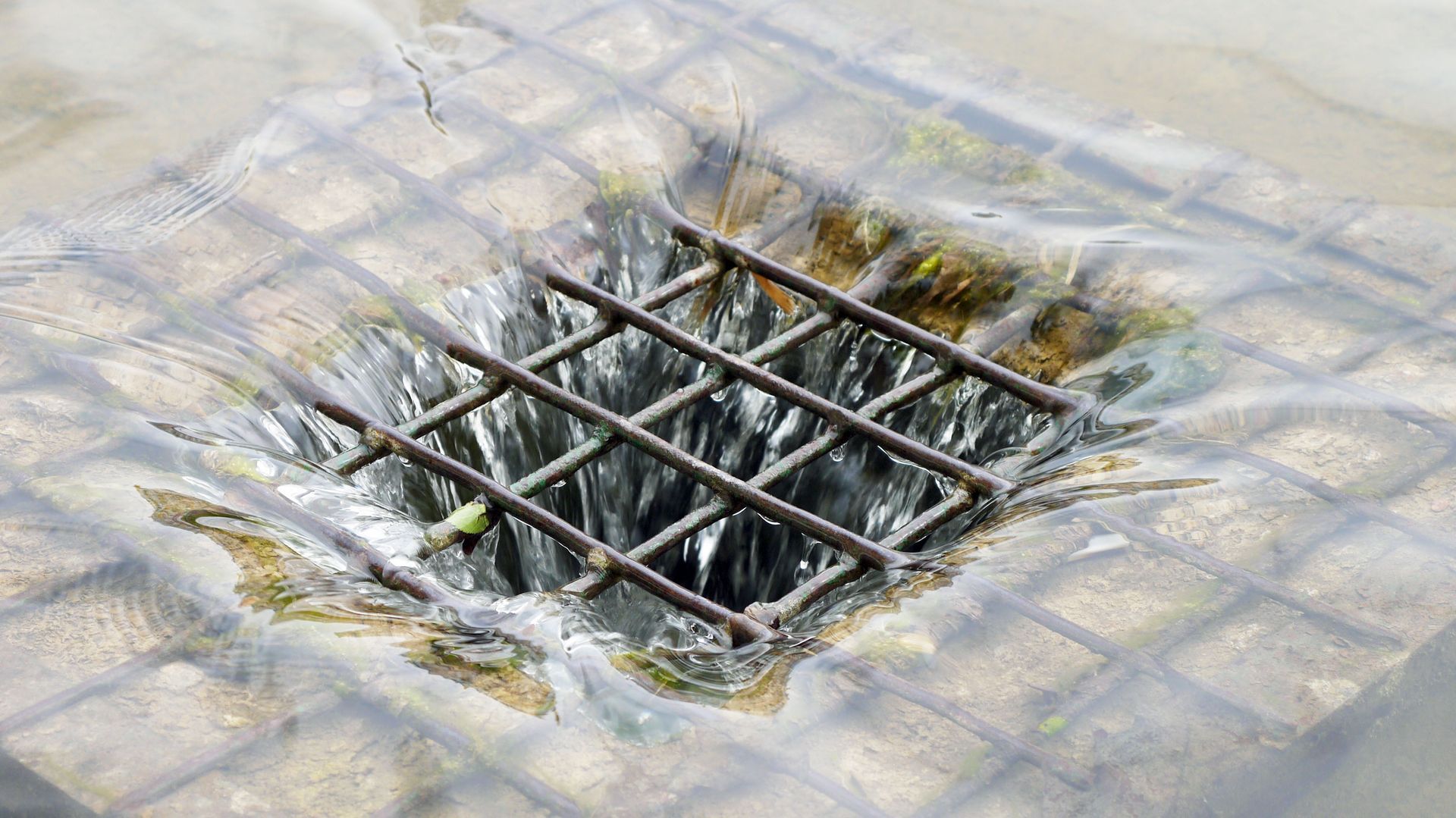
Grease traps serve as frontline defenders in the battle against FOG pollution, which poses significant threats to both plumbing systems and the environment. The accumulation of FOG in sewer systems leads to blockages and can drive wastewater into homes, businesses, and natural waterways. By trapping grease at the source, restaurants play a vital role in reducing pollutive contributions to local sewage systems. Beyond organizational responsibilities, proactive grease management reflects an establishment's commitment to sustainability.
An unmanaged FOG load can lead to severe contamination of wastewater systems. This contamination can impact local waterways, harming wildlife and disrupting ecosystems. Grease traps not only prevent such contamination but also aid municipalities in managing wastewater treatment more effectively. By intercepting grease at the source, restaurants ensure that only treated water, free of harmful fats, enters public systems.
Effective grease trap management is pivotal in maintaining public health and safety, especially in densely populated urban areas. Accumulated grease in sewage lines can lead to sewer overflows, which are notorious for spreading waterborne pathogens. By preventing these overflows, restaurants contribute to the overall sanitation and health of the community. Furthermore, ensuring that grease does not infiltrate public water systems supports overall environmental health.
Improving Operational Efficiency and Managing Costs
One of the foremost benefits of maintaining grease traps is the prevention of costly plumbing issues. Blocked pipes due to grease build-up can cause significant operational disruptions. Such scenarios entail expensive emergency repairs and can extend to greater structural damages if unresolved. By adhering to regular grease trap maintenance, restaurants can preemptively address potential blockages and ensure seamless operations.
Operational downtime remains a critical concern for restaurants, impacting customer satisfaction and revenue generation. When plumbing systems fail due to grease-related issues, restaurants face unexpected closures and service delays. By investing in regular grease trap services, establishments can minimize the risk of such interruptions. This practice empowers businesses to maintain high service standards and meet customer expectations effectively.
Effective grease trap management directly correlates with reduced maintenance costs, significantly lowering repair expenditures. Regular servicing ensures that grease traps operate at peak efficiency, reducing the likelihood of expensive emergency interventions. Routine maintenance not only extends the life of plumbing infrastructure but also supports consistent restaurant operations. By addressing system issues promptly, establishments enjoy lower operational costs and contribute to a streamlined budget.
Meeting Legal and Regulatory Requirements
Compliance with local ordinances regarding grease waste management is not just a legal requirement but a reflection of responsible business practice. Various regions have specific mandates that dictate how establishments should handle and dispose of grease waste. Grease trap services help restaurants remain aligned with these regulations, avoiding penalties and ensuring seamless operations. Failure to maintain compliance can lead to severe consequences, including business disruptions and legal expenses.
Restaurants must also navigate health department requirements, which are integral to maintaining operational standards. Health inspections often examine the effectiveness of grease management systems, ensuring public safety and sanitation rules are upheld. Poor grease management not only impacts health ratings but can lead to penalties and forced closures. By partnering with trusted grease trap services, restaurants can confidently address health department expectations.
Regular inspections play a critical role in upholding grease management standards. Third-party experts often conduct these evaluations to ensure compliance with local laws and best practices. Inspections assess both the maintenance and operational quality of grease traps, identifying potential issues before they become significant. For restaurants, passing inspections enhances credibility and fortifies business reputations.
Selecting the Right Grease Trap Service Provider
Choosing the right grease trap service provider requires a careful evaluation of credentials to ensure reliability and expertise. Essential credentials include certifications, licenses, and previous client testimonials that vouch for their experience and service quality. Established providers with proven track records are likely to offer services that adhere to industry standards. Credential evaluations are vital because the right provider helps maintain legal, operational, and environmental compliance.
When selecting a grease trap service provider, restaurants must compare the specific packages offered to discern the best fit. Packages vary widely, from basic maintenance to comprehensive service plans that include inspections and repairs. Understanding the details of these packages allows establishments to choose options that align with their operational needs. Additionally, clear comparisons inform budgetary considerations, helping manage financial expenditures effectively.
The experience and expertise of a grease trap service provider are critical gauges of their capability. Experienced providers are adept at anticipating challenges and offering innovative solutions tailored to specific circumstances. Such expertise results in efficient service delivery, ensuring minimal disruption and optimal maintenance of grease management systems. By engaging seasoned professionals, restaurants invest in long-term operational reliability and compliance.
This detailed exploration underscores the essentiality of grease trap services within the restaurant industry. As establishments strive for operational excellence and sustainability, proactive grease management emerges as a foundational element. By being attentive to both environmental responsibilities and regulatory mandates, restaurants can achieve a harmonious balance between operational efficiency and compliance. This responsible approach not only translates to enhanced sustainability and public trust but also secures long-term financial and operational health. If your restaurant needs quality grease trap services to maintain efficient and compliant operations, contact the experts at Brooks Grease Service.